
By Lehlohonolo Lehana.
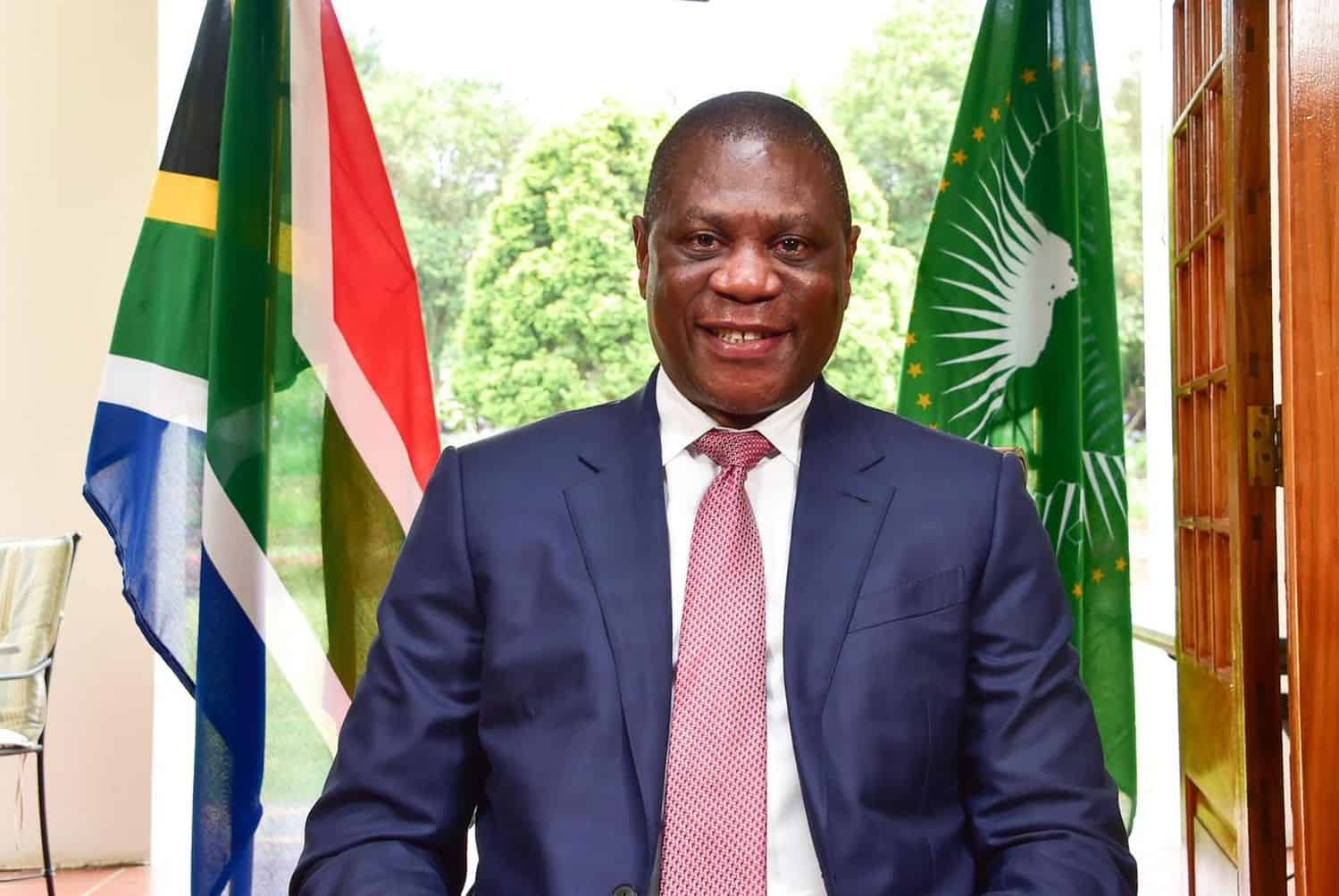
Deputy President Paul Shipokosa Mashatile has described the current youth unemployment as a “moral emergency” requiring urgent action from all sectors.
Mashatile stood in for President Cyril Ramaphosa as the keynote speaker at the government’s National Youth Day commemoration event in Potchefstroom.
While the President has led the commemorations in previous years, he is attending the G7 Leaders’ Summit in Canada, which takes place from June 14 to 17.
Ramaphosa will use the summit to discuss solutions for energy security and related issues, with fellow world leaders, the Presidency said.
The June 16 Youth Day event, which takes place from 9am at the North West University’s Rag Farm Stadium, included a career exhibition event, tying in with the event’s theme: Skills for the Changing World – Empowering Youth for Meaningful Economic Participation.
It serves as a call to all government entities and strategic partners to accelerate and enhance meaningful interventions to realise economic gain for the youth.
In his keynote address, Mashatile took the opportunity to reflect on what he termed the major victories of the democratic dispensation.
“While challenges remain, allow me to briefly reflect on some of the major victories that our democratic dispensation has registered in advancing youth empowerment since 1994,” said Mashatile.
“Firstly, at the Basic Education level, we have transformed the matric pass rate from 58% in 1994 to a historic 87.3% in 2024. This is the result of three decades of making education an apex priority of government.
“Our basic education system has gradually transformed whilst redressing the generational legacies of Verwoerd’s Bantu education system. While we are not yet where we wish to be, we are also far from the inequality and disregard inherited in 1994, “he said.
Secondly, Mashatile said in higher education, South Africa’s National Student Financial Aid Scheme has been a catalyst for widening access to higher education for the marginalised.
The scheme has grown from a modest budget of R33 million in 1991, serving only 7,240 students, to over R52 billion today, funding more than 1.1 million students at universities and TVET colleges.
He said South Africa has also met and surpassed gender parity in higher education participation rates, with over 60% of graduates from colleges and universities now being young women.
“In 2023, as our democratic dispensation turned 30, the Department of Women, Youth and Persons with Disabilities made a commitment to move beyond advocacy and begin to conceive nationwide transformative projects, with a particular focus on poor and marginalised communities, “he said.
Mashatile said at the beginning of this month, 205,000 young people were placed in jobs through Phase 5 of the Basic Education Employment Initiative as part of the Presidential Employment Stimulus.
The latest employment figures released by Statistics SA paint a dire picture of the country’s labour market. The economy shed 300,000 jobs and youth unemployment soared to 46.1%, meaning almost half of the young population (15 to 35) are locked out of the economy.
“This is more than just an economic issue. It is a moral emergency. It affects our whole society and demands urgent action from all sectors – government, business and communities at large. We must fix the structural challenges in our economy to address inequality and skills mismatch between education and what the job market needs,” Mashatile said.
Mashatile highlighted new initiatives designed to equip young South Africans with modern skills. He announced the recent launch of the South African National Service Institute in May 2024, which offers nationwide programmes in critical sectors such as artificial intelligence, coding, robotics and energy. This will be complemented by the Digital Economic Masterplan and the National Digital and Future Skills Strategy, which aim to promote youth participation in the digital economy.
Mashatile issued a call to action to all sectors of society. He urged the private sector to “create opportunities by investing, hiring and supporting youth innovation”.