
By Lehlohonolo Lehana.
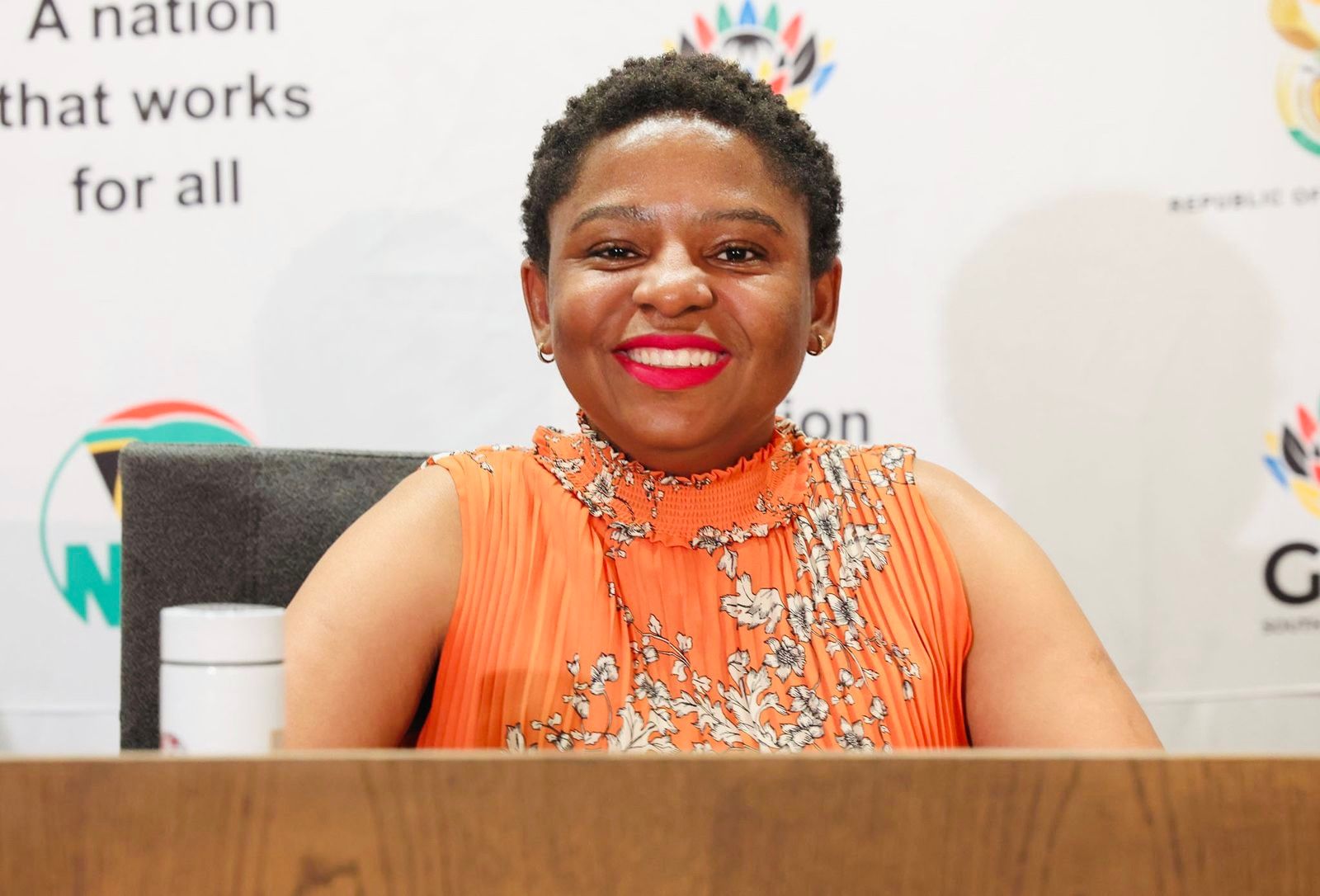
President Cyril Ramaphosa will address the nation on his Cabinet’s approach to managing migration, Minister in the Presidency Khumbudzo Ntshavheni said in Pretoria during a media briefing on the outcomes of Wednesday’s Cabinet meeting.
Ntshavheni gave no date for the address, which is being announced amid calls from anti-immigration groups for a shutdown to force foreign nationals to leave South Africa by the end of the month.
The minister said the government would not allow that to happen.
“Cabinet received and approved a comprehensive approach to migration in South Africa, developed by the Inter-Ministerial Committee on Migration, and also approved the National Action Plan (NAP) Country Report on Migration in South Africa,” said Ntshavheni.
Government has introduced several measures to curb illegal immigration, including the establishment of the Border Management Authority (BMA) in 2023 to strengthen border control.
The BMA is responsible for border law enforcement functions at land, air and maritime ports of entry, as well as in border law enforcement areas.
The Department of Home Affairs has also increased the number of deportations of undocumented foreign nationals year on year since 2022, despite capacity constraints.
Furthermore, Cabinet approved the revised White Paper on Citizenship, Immigration and Refugee Protection in March 2026.
The approval followed an extensive public consultation process led by the Department of Home Affairs, which covered all nine provinces and drew thousands of submissions from stakeholders and members of the public.
The revised White Paper outlines policy priorities for what government describes as the most significant reform of South Africa’s citizenship, immigration and refugee protection framework in a generation.
It aims to curb fraud and abuse, strengthen national security, improve service delivery through digital transformation, and support economic development.
Meanwhile Business Unity South Africa (Busa) and Business Leadership South Africa (BLSA) on Friday urged government to take charge of the situation, restore order and address the legitimate concerns raised by communities impacted by years of illegal immigration. This is the latest joint warning by the two business organisations, as it comes just a day after they called for action on the City of Joburg’s worsening financial crisis.
“At a time of heightened economic pressures, unemployment, high crime levels and social challenges, it is understandable that citizens seek solutions to legitimate concerns regarding economic inclusion, service delivery, border management and the rule of law,” said Busa and BLSA in a statement.
However, these concerns must be addressed through lawful and constructive policy interventions.
There have been calls for retaliatory action against SA from countries such as Nigeria and Ghana, that have formally requested a debate on xenophobic attacks in SA against African nationals at the upcoming African Union coordination summit. Ghana recently facilitated the repatriation of nearly 300 of its citizens from SA in response to fears of xenophobic violence.
AI Policy
Cabinet has approved the withdrawal of the Draft National Artificial Intelligence (AI) Policy, which was published for public comment in March 2026.
“Cabinet approved the withdrawal of the draft AI policy, which was published for public comment in March 2026. “
“The withdrawal will allow a rework of the AI policy to ensure it achieves its intended goals and that it establishes national standards on the ethical use of AI,” Ntshavheni said.
In April, Communications and Digital Technologies Minister Solly Malatsi announced the withdrawal of the Draft National Artificial Intelligence (AI) Policy following an internal process.
“Following revelations that the Draft National Artificial Intelligence Policy published for public comment contains various fictitious sources in its reference list, we initiated internal questions, which have now confirmed that this was the case,” Malatsi said at the time.
E-Tolls
Cabinet has approved the South African National Roads Agency (SANRAL) plan to shut down the Gauteng Freeway Improvement Project (GFIP), popularly known as e-tolls.
The Executive also approved the orderly resolution of the Organisation Undoing Tax Abuse (OUTA) litigation, the treatment of any residual litigation exposure, and the closure of all matters associated with the historical recovery of e-toll debt.
This follows government’s decision to discontinue the electronic tolling system on the GFIP, which took effect on 12 April 2024.
“Cabinet noted the recommendations by SANRAL to write off debt owed by road users who did not pay, and that National Treasury would service this debt, and that the road users who paid toll fees would not be refunded because this was the law at the time,” Ntshavheni said.