
By Lehlohonolo Lehana.
Gauteng premier Panyaza Lesufi delivered opening remarks at the inaugural Public Works Infrastructure Summit in Sandton, Johannesburg.
The summit brought together 500 delegates from the public and private sectors under the theme, “Turning South Africa into a construction site, growing the economy and creating jobs.”
Bongi Ngoma, head of audit at the Auditor-General of South Africa warned that ongoing inadequate maintenance of existing, as well as new, infrastructure would have significant cost implications for the country, because it also put pressure on the fiscus.
“Therefore, while huge investments continue to be made, it is necessary to yield tangible returns on the money that is spent,” Ngoma said.
She highlighted the “scourge” of vandalism as a major cause of unnaturally rapid infrastructure decay across various sectors, including electricity, water, rail, roads and in the low-cost housing environment.
Ngoma noted that the rapid decay of new infrastructure was also often a direct result of poor-quality construction and shoddy workmanship – often accompanied by significant overspending – and resulting in instances where these properties were not being used or usable.
“Audits have revealed that, because there’s insufficient due diligence processes and poor assessment, both in terms of technical and at financial capability, when appointing service providers, we then end up appointing service providers that are underperforming and that do not deliver.”
“We end up paying them even before they conclude on the projects, and then we are unable to hold them accountable, because once you have made that payment and you did not monitor the lifecycle of the project or its milestones, then you will not be able to hold that supplier accountable,” she said.
Ngoma complained that there was a persistent lack of consequence management for poor performance and, as a result, a severe lack of accountability. She called on the minister to ramp up the accountability framework to root out those who failed to deliver.
“We need to have a concise understanding of . . . the accountability ecosystem, which basically refers to the integrated system that links all the role players that have got a constitutional mandate on infrastructure accountability.
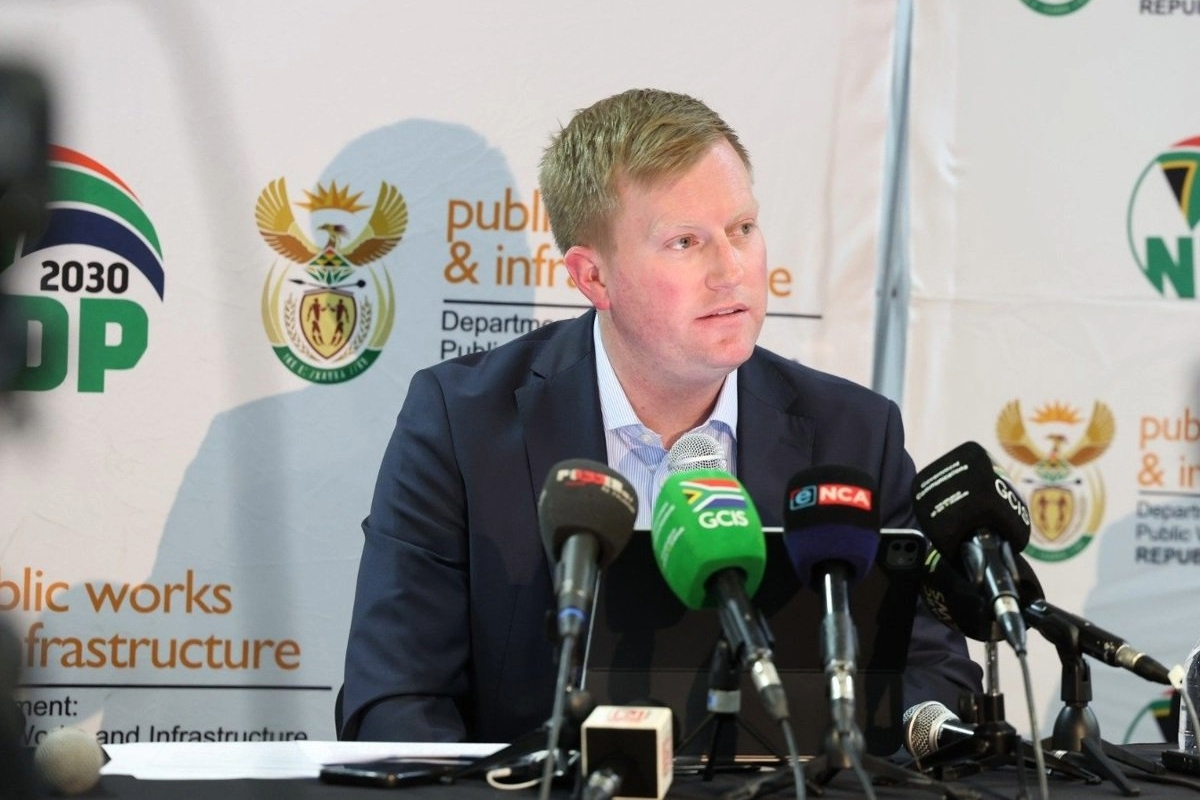
Public Works and Infrastructure Minister Dean Macpherson said his department is ramping up the pace at which underperforming or corruption-accused contractors are being blacklisted.
“The Construction Industry Development Board has . . . been tasked to get ahead of underperforming contractors and blacklist them without delay and to ensure they are unable to wreak havoc on any other town, village or city within the months ahead,” he said.
Macpherson said, we are also working to reform our blacklisting policy, which would ensure that contractors who underperformed or engaged in unethical practices would no longer have the privilege of working on public projects of any kind ever again for any department or sphere of the State.