
By Lehlohonolo Lehana.
President Cyril Ramaphosa has reaffirmed the need to climate-proof national infrastructure to protect communities from extreme weather and prevent recurring economic losses.
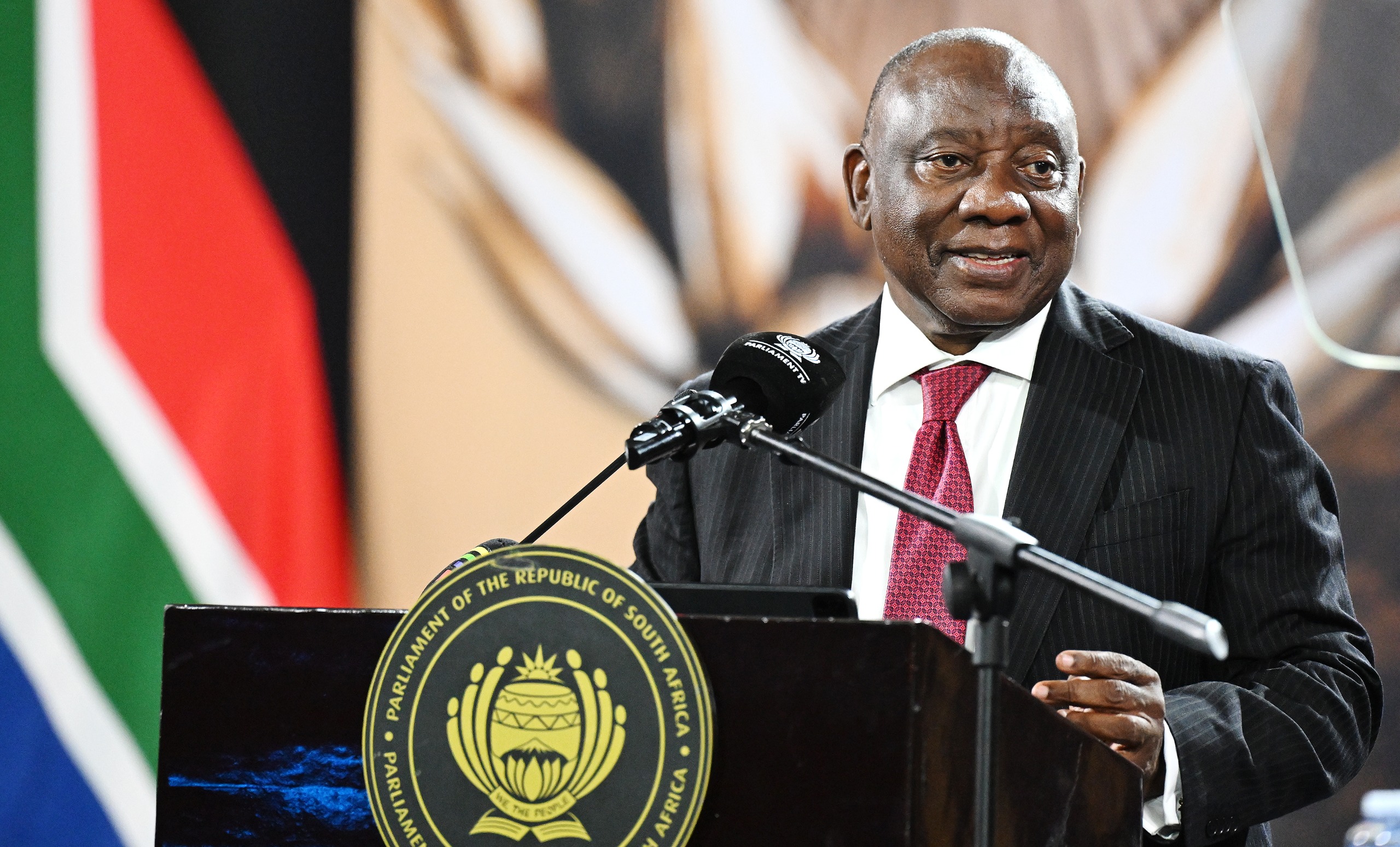
Ramaphosa was speaking at the closing session of the National Council of Provinces (NCOP) in the Matlosana Local Municipality in the North West.
The NCOP outreach programme focuses on strengthening public participation, oversight and cooperative governance across all three spheres of government.
The NCOP, as the parliamentary House representing provincial and local interests at national level, plays a critical role in South Africa’s constitutional democracy through oversight of provincial and local government, cooperative governance, and the protection of provincial interests.
Ramaphosa says the country needs to ensure that its better prepared in the events of national disasters.
Flooding, strong winds and snow have caused widespread damage and disruptions in the Western Cape, Northern Cape and Eastern Cape.
The government has declared a National State of Disaster in the three provinces after the severe weather.
The president paid tribute to those killed in the recent storms and flooding across several provinces.
He noted that the tragedy serves as a stark reminder of the need for climate-resilient infrastructure, which is a core pillar of his new municipal strategy.
“Our thoughts and prayers are with the families who have lost their loved ones… This natural disaster is a stark reminder of how vulnerable we are as a country and as a continent to the forces of nature and to the growing impacts of climate change ” Ramaphosa said.
He also warned that the government would no longer tolerate the deliberate “ruining” of infrastructure by officials looking to steer contracts to preferred private companies.
“The days of those with political ambition colluding with corrupt businesspeople to loot municipalities are over. We can no longer allow municipal infrastructure to be deliberately ruined so that preferred private companies can take over critical functions like providing water,” Ramaphosa stated.
Ramaphosa framed local government as the “axis on which our entire economy turns”, announcing that municipalities will be the primary enablers of a three-year, R1-trillion investment drive.
This capital is earmarked for energy, water, logistics and IT infrastructure to attract investment and create jobs.
However, Ramaphosa admitted that merely increasing budgets would be akin to “papering over the cracks”.
To support this investment, he introduced a revised draft White Paper on Local Government, which proposes four radical shifts, including the removal of overlapping powers that allow municipalities to blame each other for failures.
He added a goal to make it a legal requirement for different spheres of government to work together rather than operate in silos.
The draft also proposes tightening municipal billing and enforcing a “stricter account” for infrastructure maintenance spending.
“Municipalities will be held to account on how and where they spend public money, particularly on maintaining essential infrastructure,” he said.
According to the Disaster Risk Finance Diagnostic report by National Treasury, South Africa “is highly exposed to climatic shocks, particularly droughts, which undermine efforts to stimulate growth,” resulting in over 3,000 deaths and R172 billion (just under R29 billion was insured) in losses experienced over the last 51 years.