
By Lehlohonolo Lehana.
President Cyril Ramaphosa announced the structures and processes of South Africa’s National Dialogue will be in place in early 2025.
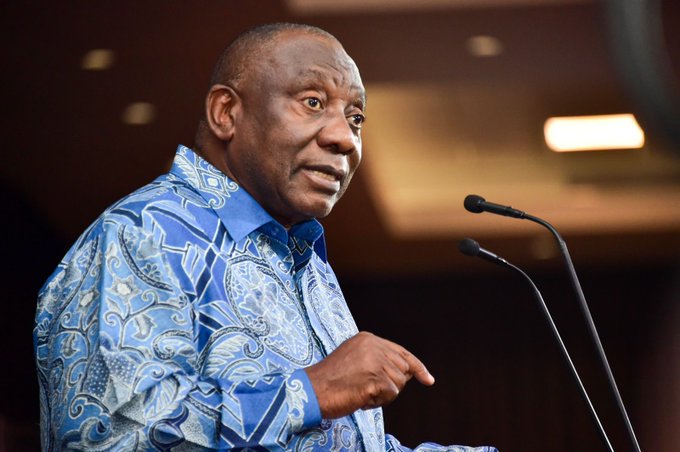
Ramaphosa was delivering the keynote address in Vredendal, Western Cape, at the national Day of Reconciliation event.
The president said, the dialogue will give the country an opportunity to address the challenges it has been facing for the past 15 years of low growth and unemployment, poverty and hunger, poor governance, slow land reform and corruption.
“We would like to see the people of South Africa united in everything that they do, all of them, putting their views forward together… Through our various actions, we are reigniting our collective vision and shared passion to create a South Africa that works for all its people. We are confronting our challenges with the courage and determination displayed during the darkest day of the struggle against apartheid,” he said.
“We will want the national dialogue to strengthen and consolidate the process of social compacting, where we come together as different sectors and communities to find common solutions, like we have always found in the past.”
Ramaphosa first introduced the idea of a national dialogue during his inauguration address in June 2024 in response to calls from civil society groups. Consultations about how to manage the process have since been held with civil society groups and other sectors.
“All the necessary structures and processes of the dialogue will be in place early in the new year so that preparations can commence in earnest… We expect that the national dialogue will reach agreement on the critical issues that are facing our nation,” said Ramaphosa.
Ramaphosa had nothing but praise for the government of national unity (GNU) during his address, lauding its “spirit of inclusivity” and commitment to meeting people’s needs.
“The government of national unity brings together diverse parties – 10 parties altogether – with different policies, different histories, different perspectives, and people who look different and who have different backgrounds, yet we are united by a commitment to build a better South Africa for all its people,” he said.
“Reconciliation itself is not a symbolic act. It requires a fundamental transformation of society to create a fair and just nation. The programme of the government of national unity has therefore prioritised inclusive growth, job creation and more transformation. We have prioritised the fight against poverty and building a capable and developmental state.”
The task for South Africans was to build the nation, rather than break it, said Ramaphosa. He made a point to warn against people who made “statements that almost contribute to breaking our nation”.
“We must refuse, as South Africans, that our unity be broken. We must refuse to give those people space who rely on hatred, who rely on lies, and want to separate us as South Africans. We have learnt from the past 30 years that reconciliation means fostering cultural understanding and promoting social cohesion and social justice in our post-apartheid South Africa,” he said.
Ramaphosa also urged South Africans to play their part in ensuring the country’s presidency of the G20 for the next year was a success.
Brazil handed over the G20 presidency to South Africa in November. The Treasury expects the cost of hosting it to be about R1bn.
South Africa assumed the Presidency of the G20 on 1 December.
The G20 group comprises many of the world’s largest developing and developed economies. It was established to tackle pressing global economic and financial issues. Together, G20 members account for around 85 percent of global GDP and 75 percent of international trade.