
By Lehlohonolo Lehana.
President Cyril Ramaphosa has stressed the need for a coherent curriculum, well-trained teachers, and quality, the age-appropriate learning materials.
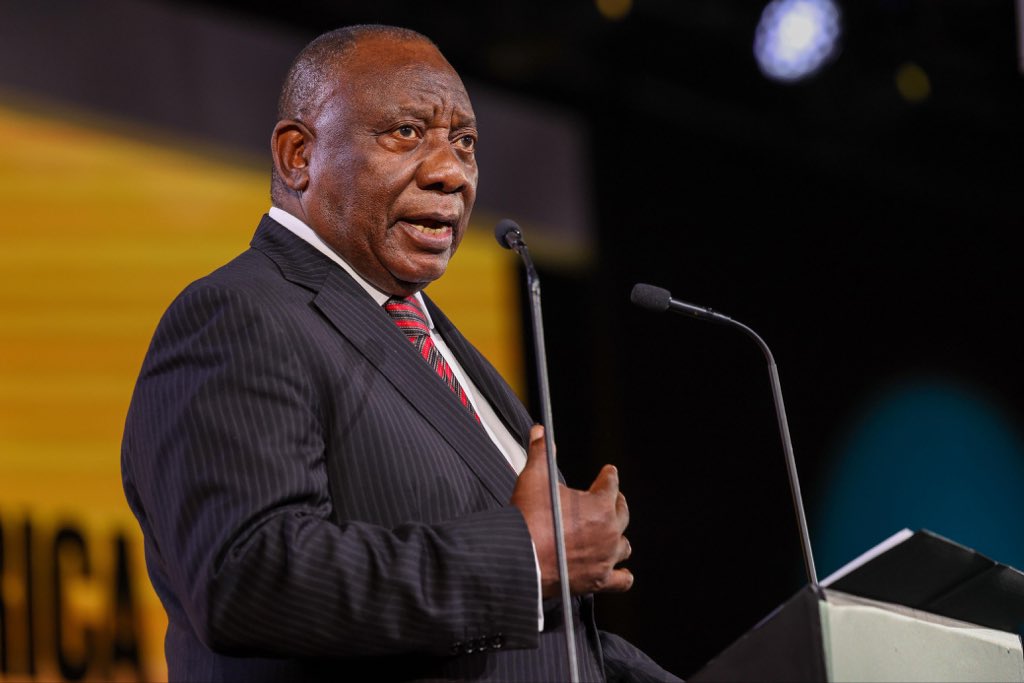
The president delivered a keynote address at the three-day 2026 Basic Education Sector Lekgotla, at the Birchwood Hotel in Boksburg.
Ramaphosa said weak early learning remains one of the most serious threats to long-term educational success.
“Early learning must be firmly anchored at the core of our education system,” the president said.
He stressed that early childhood education lays the foundation for cognitive, social and emotional development.
“Children who receive quality early education are better prepared for future learning experiences,” Ramaphosa said.
Basic Education minister Siviwe Gwarube underscored the importance of early childhood development (ECD) across the board, efforts to strengthen literacy and numeracy across all schooling phases, with particular emphasis on the foundation phase (grades R to 3), and improvements in access to and quality of inclusive education.
Ramaphosa warned that the slow growth of vocational and occupational education was worsening South Africa’s skills crisis.
“Our economy urgently needs these skills to drive our country’s growth,” he said, adding that basic education must do more to prepare pupils for a “skills revolution”.
He stressed that vocational education plays a vital role in preparing young people for the world of work and called for stronger partnerships between schools and the private sector to meet labour market demands.
“The National Development Plan envisages an education system in which all learners are equipped with strong foundational skills in literacy, numeracy and science.
Gwarube said part of the three-day gathering is aimed at committing government and private partnership efforts to tackling some of the issues.
“Every child deserves a classroom where they feel protected, supported, and ready to learn. With zero tolerance for violence and abuse, comprehensive school-based health and nutrition programmes, mental health and psychosocial support for learners and educators, and inclusive environments where every child, including those with disabilities, feels valued and secure,” said Gwarube.
Scholar Transport
Ramaphosa has directed Gwarube and her Transport counterpart Barbara Creecy to lead efforts in exploring ways to prevent loss of life through scholar transport.
The directive came in the wake of the deaths of 12 learners who were killed in a horror crash when the minibus taxi they were travelling in collided with an oncoming truck on Monday.
Ramaphosa said under normal circumstances, children are not meant to be buried by their parents; rather, children, once they are old enough, are the ones who should bury their parents.
“We need to act now, and we need to act together to ensure that scholar transport is safe and reliable, and accept that young lives are put at risk as they seek the growth and enrichment that education provides,” he urged.
Matric Drop Outs
While Ramaphosa applauded the achievement of the Matric Class of 2025, he expressed concerns with the slow pace of growth in vocational and occupational education, which played a vital role in preparing the youth for the world of work, enhancing economic growth and promoting social equity.
By focusing on practical skills the economy needed, it contributed to building capable and adaptable workers who met the demands of a rapidly changing economy, he said.
“We must intensify our efforts to partner with various sectors of the economy to strengthen our collective contribution to vocational education. As we strive to improve the quality of our matric results, we must work harder to ensure that more children complete their schooling,” he said.
He raised concerns that nearly half a million children who entered grade one in 2014 left school before reaching their matric year in 2025.
Most of these learners dropped out between grades 10 and 12, he said.
“We call on the department, teachers, parents and communities to counsel learners who are contemplating leaving and to work together to ensure that learners complete their schooling,” he stated.
He said attention must be placed on the reasons learners drop out – from financial pressure to poor academic performance to increasing domestic responsibilities – and provide psychosocial support to those facing challenges in their home situation.