
By Lehlohonolo Lehana
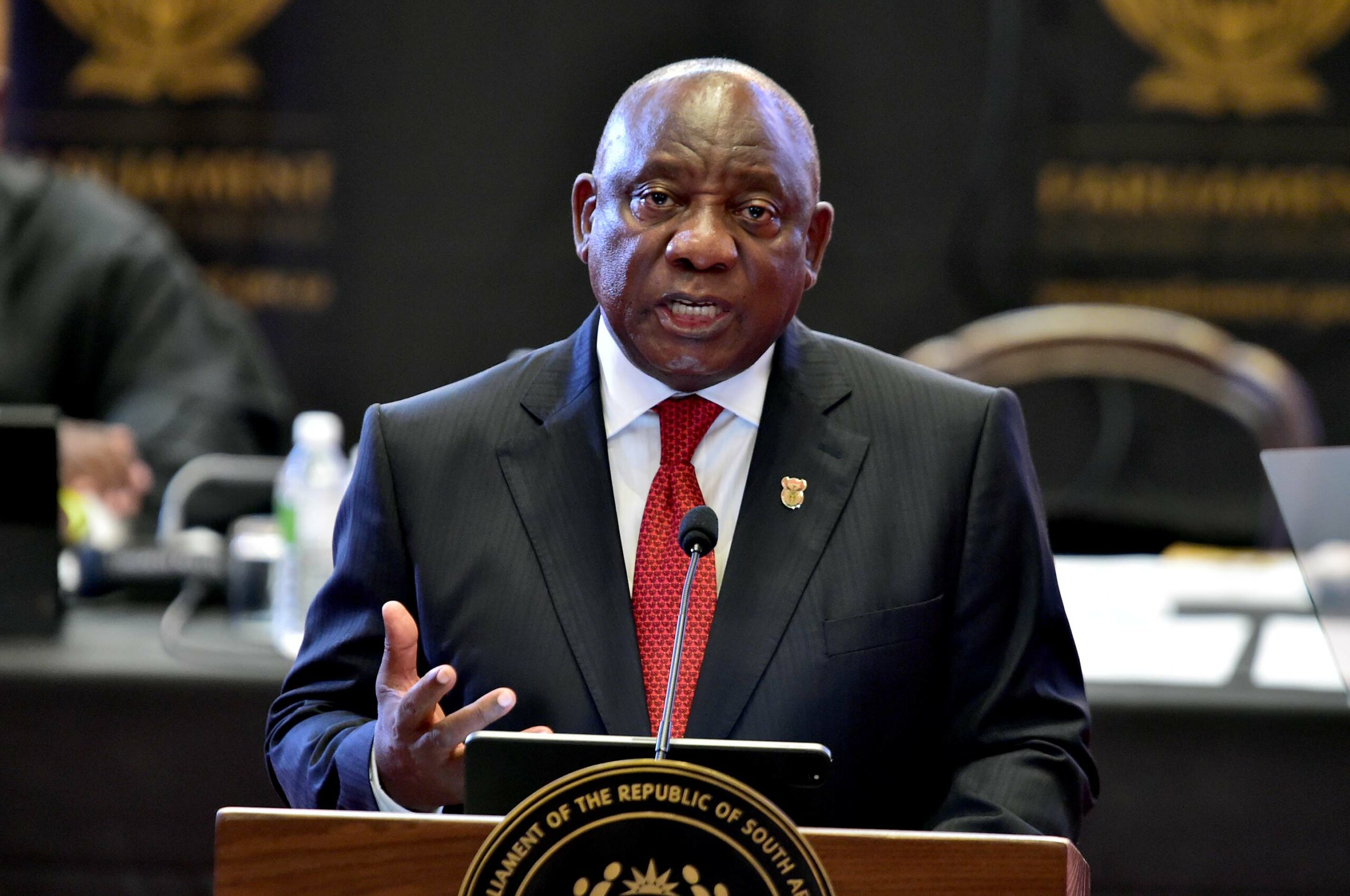
President Cyril Ramaphosa faced intense criticism while tabling the Presidency’s budget vote in Parliament, with MPs targeting his handling of corruption, lawlessness and the fragile Government of National Unity (GNU), among other issues.
The tabling of budget vote comes two weeks after explosive allegations of criminal syndicates and political meddling in the police service, over which Ramaphosa announced the establishment of a judicial commission of inquiry to probe.
MPs did not mince their words in condemning Ramaphosa’s handling of corruption, particularly involving ANC members.
Ramaphosa used his reply in the National Assembly on Thursday to the Presidency budget vote debate to reaffirm his commitment to making the fragile Government of National Unity (GNU) work despite the multiple crises with which it is grappling.
“There have indeed been disagreements and disputes among GNU members, as you would expect there to be, and yet despite those differences, the GNU partners have chosen to work together for the common good of all South Africans,” said Ramaphosa.
Ramaphosa described the debate as spirited and robust. He admitted that at times, he felt insulted and wished he were an ordinary MP again so he could “sit back, shout and howl”.
Ramaphosa said while South Africa still faces many challenges, the nation must also reflect on the progress made in its 31 years of democracy.
He highlighted free basic services for the indigent as a key achievement, urging a balanced view beyond criticism.
Ramaphosa described the budget as exceptional, highlighting its focus on coordination, strategic direction, and oversight across all government departments.
The Presidency ensures alignment with national priorities and implements urgent intervention during crises, such as load shedding and Covid-19 challenges.
A vote in support of this budget is about strengthening the nerve centre of government itself, “Ramaphosa said.
The president said that one body disagrees that the challenges South Africa faces are immense and that the country is not as far along the road as expected.
“As we journey to the National Dialogue where we will face the hard truths and forge a common brighter future, let us take courage from the words of this young patriot who said yesterday that this budget should be a turning point,” Ramaphosa said.
The upcoming National Dialogue, which comes with a price tag of R700-million, was another thorny issue, and several MPs indicated they would boycott it.
Meanwhile during a joint sitting on Wednesday, justice and portfolio committee recommended the formation of an ad hoc committee to consider allegations made by KwaZulu-Natal police commissioner Lieutenant-General Nhlanhla Mkhwanazi, including against suspended Police Minister Senzo Mchunu.
The committee members agreed that this was the most appropriate mechanism to consider Mkhwanazi’s allegations that Mchunu pressured him to disband a unit investigating organised crime in KwaZulu-Natal.
National Assembly speaker Thoko Didiza had tasked the committees with determining how to handle Mkhwanazi’s allegations earlier this month that political interference in police operations led to direct instructions to shut down investigations into high-level criminal activity in KwaZulu-Natal.
Legal adviser Andile Tetyana said parliament still had a constitutional obligation to exercise oversight but should do so through a streamlined, time-bound mechanism. He recommended the formation of an ad hoc committee under rule 253 of the National Assembly, which allows for temporary committees with a defined scope and duration.
“This is about accountability and improving police governance,” Tetyana told MPs.
He said the ad hoc committee could look into several specific issues raised by Mkhwanazi, including the disbanding of the political killings task team, the alleged removal of 121 case dockets by the minister, leadership instability in crime intelligence and the overlap in roles of the South African Police Service and the Independent Police Investigative Directorate (Ipid).
The committees considered three options: a full parliamentary inquiry; invoking rule 169 to allow committees to confer; or establishing a new ad hoc committee. The latter was favoured as the least likely to cause jurisdictional overlap and the fact that it could conclude its work within a specific timeframe.
MPs also proposed that any interim reports produced by the presidential commission be made available to parliament to ensure coordination and oversight without interference.
The committees are expected to meet again next week to finalise the draft terms of reference and reporting timelines for the ad hoc committee. A formal recommendation is expected to be tabled in the National Assembly next Wednesday.