
By Lehlohonolo Lehana.
The Minister of Agriculture, John Steenhuisen has acknowledged the announcement by the United States to persist with the 30% tariff on South African exports from August 1.
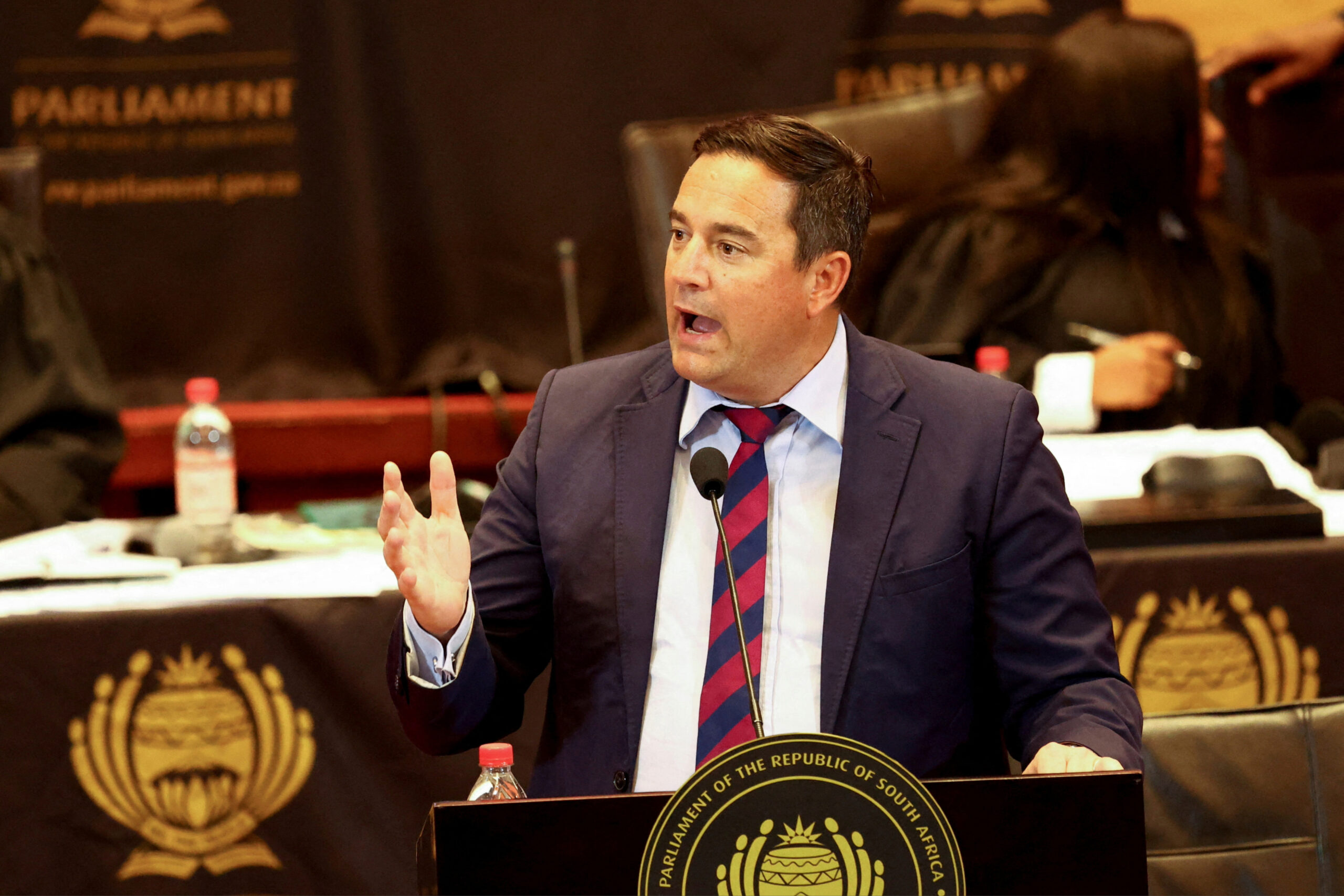
Presenting the department’s budget in the National Assembly, Steenhuisen said he was looking forward to work with Trade, Industry and Competition Minister Parks Tau to seek a way to avoid the US 30% tariff for the agricultural sector.
“While we can breathe a sign of relief that this tariff did not come into effect as it was due tomorrow, it does give us an opportunity to use the next few weeks to be able to try to negotiate a way forward to prevent this,” he said.
“Whilst not explicit, the announcement will signal the end of African Growth and Opportunity Act, which gives South Africa duty free access to the US for more than 6000 products, including goods in the automobile, agricultural and textile industries,” Steenhuisen added.
The minister also said the agricultural sector remained particularly exposed in areas of citrus, wine, nuts and table grape.
“Now more than ever it highlights the need for urgent reforms in South Africa so that we can ensure our economy meets the requirements of our trading partners around the world.
“On one side, we see the extraordinary potential of this sector to generate jobs, contribute to the gross domestic product (GDP) growth, strengthen exports, and revitalise rural economies. On the other side, we confront persistent risks: Climate shocks, high input costs, bio-security failures, land degradation, weak infrastructure, and uneven access to markets and finance,” he said.
“There is also a human reality behind the figures of smallholder farmers locked out of opportunity, of families facing food insecurity, of veterinary professionals overburdened and under-resourced, and of a nation that too often reacts to crisis rather than prepares for it.”
Steenhuisen said the budget was grounded in the 2025-30 strategic plan articulated on seven strategic priorities.
These were partnerships for growth, a modern and progressive legislative environment, improving market access, providing effective farmer support, strengthening biosecurity and disaster preparedness.
Steenhuisen also called for review of the Broad-Based Black Economic Empowerment (BBBEE) Act, to ensure the focus was on poverty, not race.
He noted that the brief extension from July 9 to August 1 provided Ramaphosa with a small window of opportunity to make the necessary decisions to improve trade relations.
“Now, more than ever, the African National Congress (ANC) needs to accept the fact that South Africa is in need of urgent reforms that will bring about increased economic growth and try to cushion some of the job losses which will no doubt following announcement by the US President,” explained Steenhuisen.
Steenhuisen committed to strengthening trade relations with the country’s existing international partners, while actively working to expand access to new markets for South African produce.