
By Lehlohonolo Lehana.
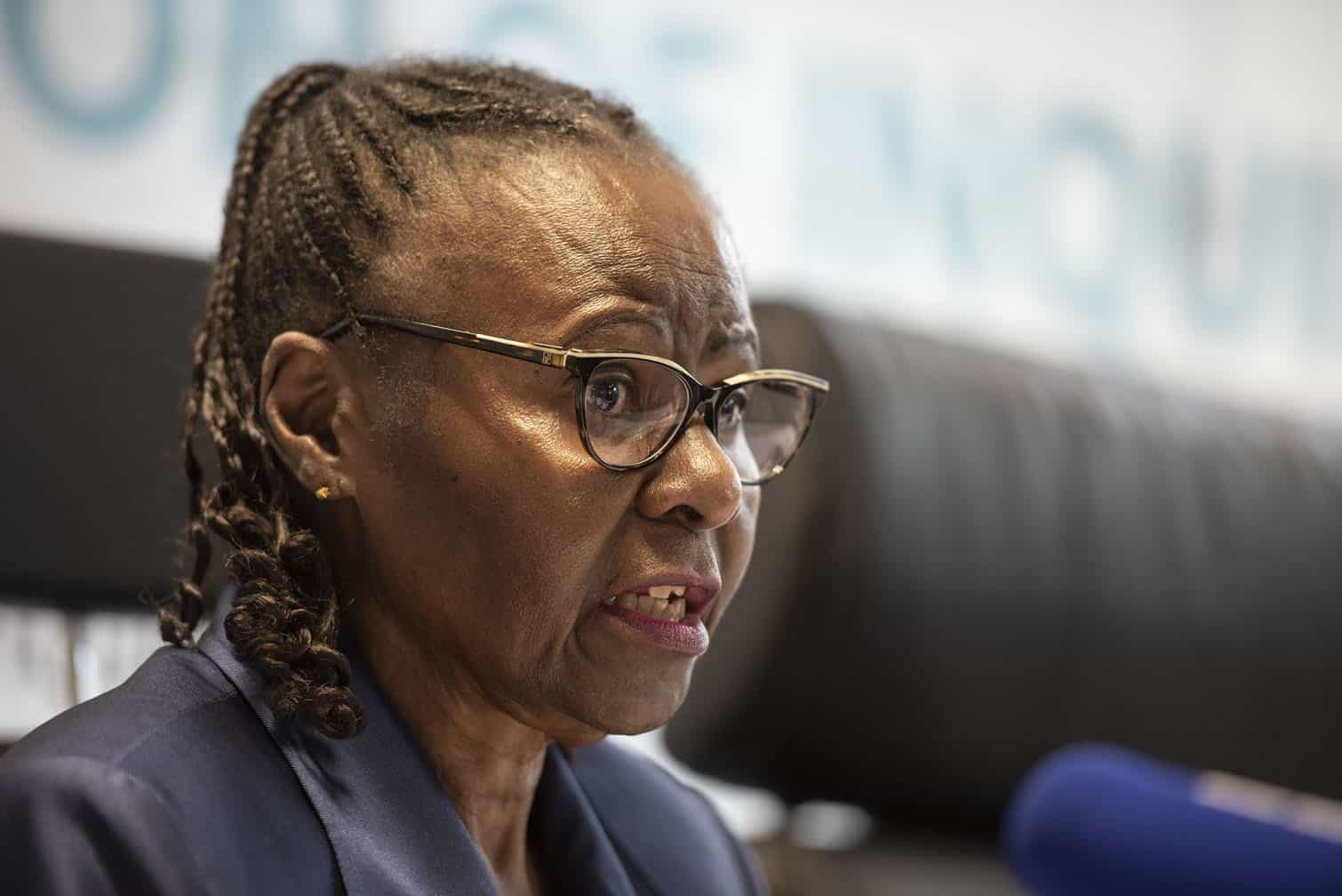
Several Civil Society groups made representations this Wednesday to South Africa’s (SA) Truth and Reconciliation Commission (TRC) Inquiry, which is investigating allegations of attempts to obstruct the investigation or prosecution of TRC cases.
The appearances follow a third pre-hearing consultation with interested and affected parties aimed at charting a way forward, after a failed attempt last December by former Presidents Jacob Zuma and Thabo Mbeki to have Inquiry Chairperson Sisi Khampepe recuse herself.
The families of apartheid-era victims have accused former presidents of being disrespectful for instituting legal battles against the inquiry.
Speaking on behalf of the aggrieved families, Lukhanyo Calata believes these applications are intended to obstruct the work of the commission.
“It just basically shows really what Mbeki and Zuma actually think of us. So, Mr Mbeki and [Mr ] Zuma, they became presidents because our loved ones here laid down their lives for this democracy,” Calata said.
The Inquiry has confirmed that while both former Presidents have indicated plans to seek a judicial review of the recusal decision, it will continue its work unless legally ordered to stop.
The inquiry started its work on Wednesday morning with opening addresses, almost nine months after its establishment.
The commission is investigating allegations of interference to delay the prosecution of TRC-related cases.
Chief evidence leader in the TRC Commission, Advocate Ishmael Semenya, has addressed the commission on the lack of cooperation from state entities, like the police, in providing the required documents.
“It is disheartening and disconcerting that, as we sit today, we have not received one statement from the South African Police Service. Not one of all the commissioners who have occupied the periods from 2003 to date. Not one statement,” Semenya said.
He told the commission that they must take further steps against these state entities and individuals.
“Chair, I am highlighting that we are going to be forced to use powers of compulsion to obtain the necessary material to enable us to discharge our function,” he stated.
On Thursday, the commission will hear from its first witness, Human Settlements Minister Thembi Simelane, whose sister, Nokuthula, disappeared in 1983.
The commission will be expected to complete its work within six months from the date of this proclamation and submit its report within 60 days after the completion of its work.
Meanwhile government has called on 4,245 Truth and Reconciliation Commission (TRC)-identified victims or their rightful next-of-kin to come forward and claim their final once-off R30,000 reparation.
This was announced by the Department of Justice and Constitutional Development (DoJ&CD) on 12 February 2026, when it published a 55-page list of victims identified by the TRC for reparations.
Established under the Promotion of National Unity and Reconciliation Act of 1995, the TRC was chaired by Archbishop Desmond Tutu and structured around three main committees.
The Human Rights Violations Committee collected over 21,000 statements from victims, documenting the scale and severity of apartheid-era abuses.
The Amnesty Committee offered immunity to perpetrators who provided full, truthful accounts of politically motivated crimes, aiming to encourage openness and reconciliation.
The Reparation and Rehabilitation Committee was tasked with identifying victims and recommending measures to restore their dignity, including financial, symbolic, and social support.
In its report, the TRC proposed a comprehensive reparations package for survivors. It recommended financial grants ranging from R102,174 to R138,138 over six years.
In practice, however, the government implemented a much-reduced scheme, offering a once-off payment of R30,000, viewed by many survivors as a “pittance.”
The TRC also called for bursaries for victims’ descendants and specialised healthcare services. While some educational support has been rolled out, medical assistance remains largely unimplemented.
Symbolic reparations were partially enacted, including exhuming remains, renaming streets, and constructing monuments such as Freedom Park.
Despite the establishment of the President’s Fund, which held nearly R1.9 billion as of late 2025, progress on reparations has been slow.
According to reasons given over the years by DoJ&CD ministers, several factors contribute to the delay.
A strict eligibility criterion, often called the “closed list,” limited access to those who testified before the TRC by the original deadline, excluding thousands of victims unable to participate due to fear, remote locations, or lack of awareness.