
By Lehlohonolo Lehana.
City of Ekurhuleni is confronted with a R2.1 billion revenue shortfall, due to tampering with electricity accounts, illegal strikes and various other service delivery challenges.
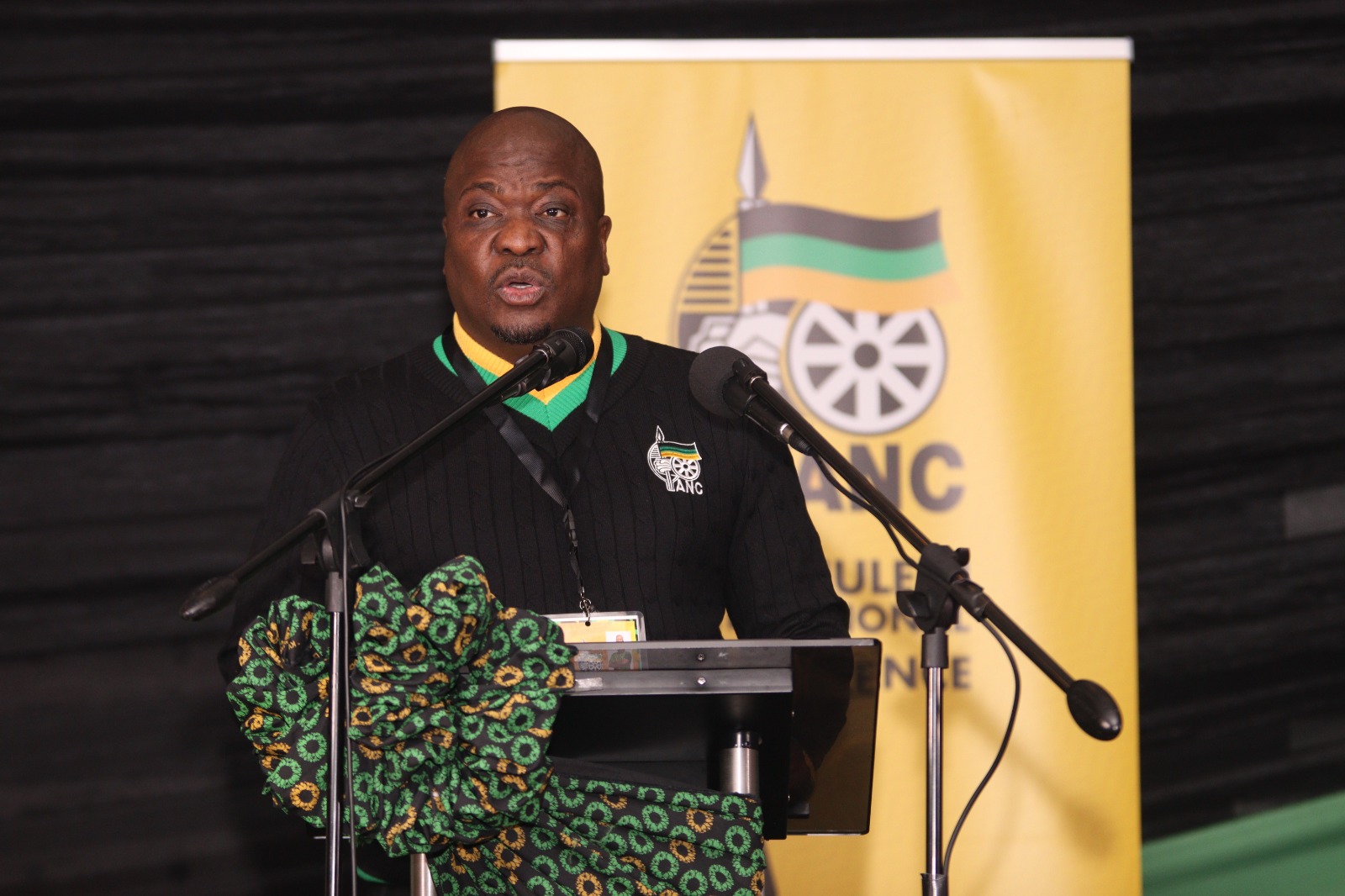
Executive mayor Nkosidiphindile Xhakaza delivered his State of the City Address (SOCA) on Wednesday morning at the OR Tambo Government Precinct.
SOCA serves as a roadmap for service delivery programmes and development initiatives. It also gives a comprehensive account of how the municipality is performing. This includes updates on infrastructure development, economic growth, housing projects, safety initiatives and financial management.
His address came less than two years after his administration took office, inheriting what he described as a R2.1-billion revenue shortfall, collapsed billing systems and widespread institutional dysfunction.
“We have taken a decisive response to the R2.1 billion revenue shortfall. We confronted the revenue crisis head-on through improved billing, enhanced collection mechanisms, and tighter financial controls,” he said.
He said these interventions had contributed to measurable improvements in municipal performance, rising from 77% when the administration took office in April 2024 to about 90%, reflecting “a clear shift towards stability and effectiveness.”
“This is not incidental progress, it is the outcome of a deliberate leadership, firm decision making, commitment to restore the city to functionality, to restore the city to credibility,” he said.
Xhakaza warned against misinformation and attempts to distort the city’s recovery efforts.
“I wish to make it clear that no amount of misinformation, peddling rumour mongering and distraction will divert us from our mission to a better service delivery offering for the people of Ekurhuleni,” he said.
Xhakaza also said the City has set up a dedicated monitoring team to track all allegations before the Madlanga Commission of Inquiry and is finalising disciplinary processes against senior officials implicated in serious misconduct.
He said the administration had taken a deliberate decision not to comment on evidence publicly while the commission sits but had moved decisively behind the scenes to strengthen institutional safeguards.
“From the beginning, we took a conscious decision not to engage in a running commentary on allegations in the public domain. We have allowed the commission to do its work without interference, speculation or political posturing,” Xhakaza said.
He said a dedicated administrative team was now monitoring all issues raised before the commission, with every allegation being recorded, assessed and prepared for appropriate administrative action.
“Where action has been required, this administration has not hesitated. Decisive steps have been taken, including the suspension of senior managers implicated in serious allegations, in line with the applicable regulations governing senior officials,” Xhakaza said.
According to the mayor, the majority of disciplinary processes arising from the commission’s work are being finalised.
The commission, chaired by Justice Mbuyiseli Madlanga, was appointed to investigate allegations of maladministration, corruption, and governance collapse during the period referred to by Xhakaza as the “Barren Years”—spanning 2021–2024.
Testimony before the commission has exposed widespread lapses, including the manipulation of billing systems and the breakdown of oversight.
Xhakaza said the city had centralised communication on the commission’s work to ensure clarity and consistency and that a comprehensive vetting process within the Ekurhuleni Metropolitan Police Department was being implemented in collaboration with the State Security Agency.
“This process is critical in restoring public confidence and securing the credibility of our enforcement functions,” he said.
The mayor also revealed that the council would receive the delayed auditor-general’s report for the financial year under review on Thursday.
“This issue is a matter we take seriously, and we will approach it with honesty, accountability, and decisive action,” Xhakaza said. He noted that the results of control failures in the ICT department – particularly regarding the solar and Siyakhokha systems that support billing and financial data management – would be addressed.