
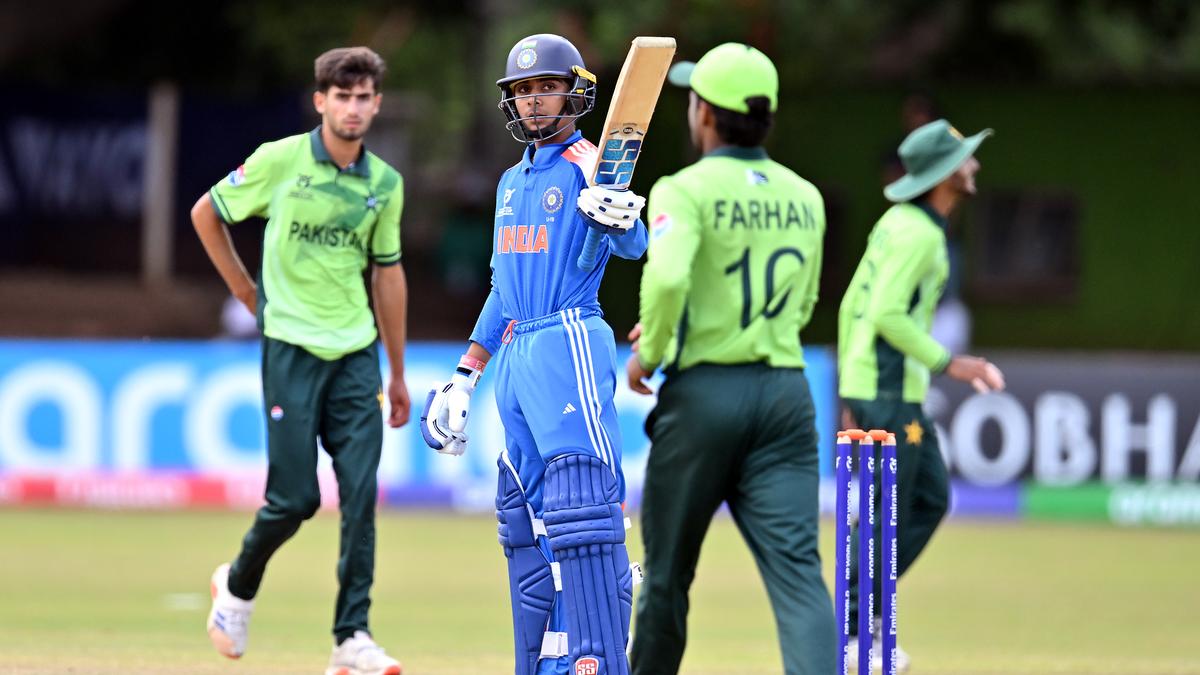
By Kevin Rademeyer, Sports Journalist.
The ICC Men’s T20 World Cup is set to get underway on 7 February, with matches staged across Sri Lanka and India in what is expected to be one of the most commercially significant tournaments in the global game. However, just days before the opening ball is bowled, the event faces a major controversy following Pakistan’s decision to withdraw from its scheduled group match against India.
If the boycott is upheld, India will be awarded a walkover victory and full points, depriving fans of one of cricket’s most watched fixtures and handing India a decisive early advantage in the tournament. For Pakistan, the decision carries heavy sporting and financial consequences, while the wider cricket economy also stands to suffer significant losses.
India versus Pakistan matches are among the most lucrative fixtures in world sport, with industry estimates placing the value of a single encounter at around R400 Million. Because political tensions prevent bilateral series, the two sides meet only in multi team tournaments, making their clashes the primary commercial driver for ICC events. As a result, the ICC routinely places them in the same group to maximise global viewership.
The Pakistan government confirmed on Sunday that the national side would not take part in the high profile clash scheduled for 15 February in Colombo. While Pakistan have travelled to Sri Lanka for their remaining group fixtures, the withdrawal from the India match has sent shockwaves through broadcasting and sponsorship circles.
Broadcasters are expected to lose advertising revenue estimated between R390 Million to R460 Million, with a single 10 second advertising slot for the match valued at up to R80 Million India’s media rights holder JioStar is also exposed, particularly as it seeks to renegotiate its R50 Billion agreement with the ICC.
From a sporting perspective, India would benefit directly, securing full points without taking the field. However, the ICC retains the authority to impose financial penalties on the Pakistan Cricket Board for failing to fulfil its fixture obligations.
Former ICC and PCB communications chief Sami ul Hasan Burney highlighted the scale of the financial imbalance involved. “One match costs around USD 250 Million when everything is accounted for,” he said. “Pakistan’s annual revenue is about USD 35.5 Million, so the difference is enormous.”
The ICC responded firmly to Pakistan’s announcement, stressing the importance of competitive integrity at global tournaments. “Selective participation is difficult to reconcile with the fundamental premise of a global sporting event where all qualified teams are expected to compete on equal terms,” the governing body said. “Such actions undermine the spirit and sanctity of ICC competitions.”
For South African fans, the controversy serves as a reminder of how politics can shape the landscape of international cricket, even at the sport’s biggest events. While India move closer to the knockout stages without contest, the tournament itself risks losing one of its marquee moments before it has properly begun.
With a hybrid hosting model for India Pakistan matches agreed until 2027, Pakistan may find it increasingly difficult to justify selective withdrawals without facing severe financial and reputational consequences. As the World Cup opens this week, attention will remain firmly on Colombo, where one of cricket’s greatest rivalries may be decided without a single ball being bowled.