
By Lehlohonolo Lehana.
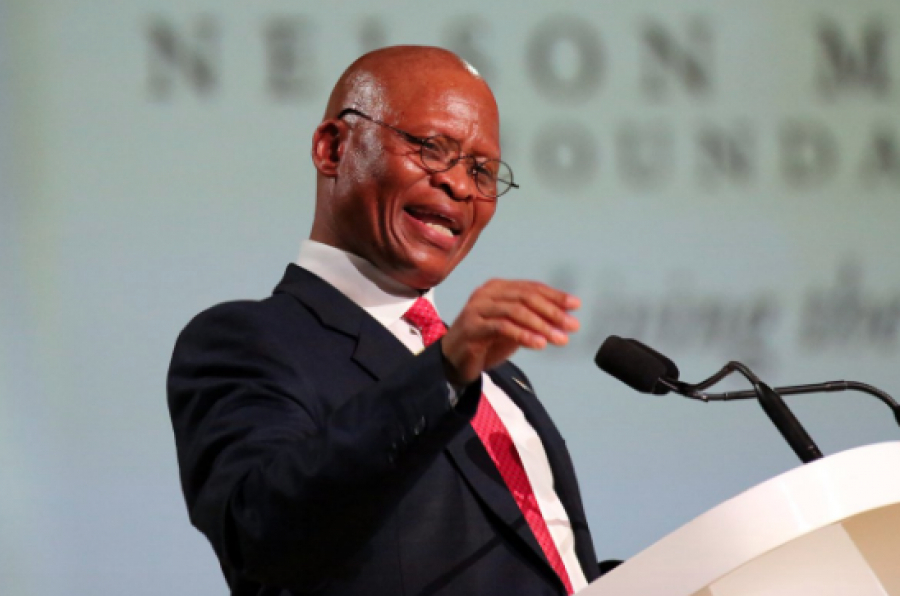
Chief Justice Mogoeng Mogoeng is set to appeal the decision made by a member of the Judicial Conduct Committee (JCC) regarding complaints lodged over his comments on South Africa’s foreign policy on Israel.
In a statement on Sunday, the JCC confirmed that Mogoeng has signified his intention to appeal the ruling delivered by Judge Phineas Mojapelo last week, which ordered him to apologise and read the retraction, at “a meeting of serving justices of the Constitutional Court” in 10 days.
“The JCC will in due course determine the date on which the appeal would be heard by at least three of its members.”
JCC members – Deputy Chief Justice Raymond Zondo, Justices Dusani Zondi, Nambitha Dambuza and Margaret Victor – are eligible to hear the appeal.
In June last year, A complaint was lodged against Chief Justice Mogoeng Mogoeng for recent comments on the Israel-Palestine dispute, the Judicial Services Commission (JSC).
He made the comments during a webinar hosted by The Jerusalem Post.
South Africa-based lobby Palestine, Africa4Palestine, had laid a complaint with the JCC, saying he had breached the judicial code of conduct.
Last week, Mogoeng was ordered to retract and apologise for his comments made on the Israeli and Palestinian conflict.
According to the commission, further complaints established about Mogoeng arising from his utterance at the same webinar were:
— “Contravention of the Code: the use or lending of the prestige of judicial office to advance the private interest of the judge or others;
— “Contravention of Article 14 (1): judicial duties to take precedence over other duties and activities, statutory or others — read with Note 14(i) of the Code: failure to minimise the risk of conflict with judicial obligations, and involving himself in extrajudicial activities that impinge on a judge’s availability to perform judicial obligations;
— “Involvement in extrajudicial activities which are incompatible with the confidence in and the impartiality of judges; and
— “Failure to respect the separation of power in contravention of the Code.”
The committee said that in considering appropriate remedial action under section 17(8) of the JSC Act, it took into consideration the nature of the contravention, the position of the respondent in the judiciary, the circumstances in which the judicial misconduct arose and the public interest within the broad legal framework as defined by the constitution, the law and the rules of ethics.