
By Kaula Nhongo.
@GettyImages.
Namibia is seeking to raise $411 million in private investment as part of a $1.76 billion energy expansion plan to boost renewable electricity generation and reduce its reliance on costly power imports.
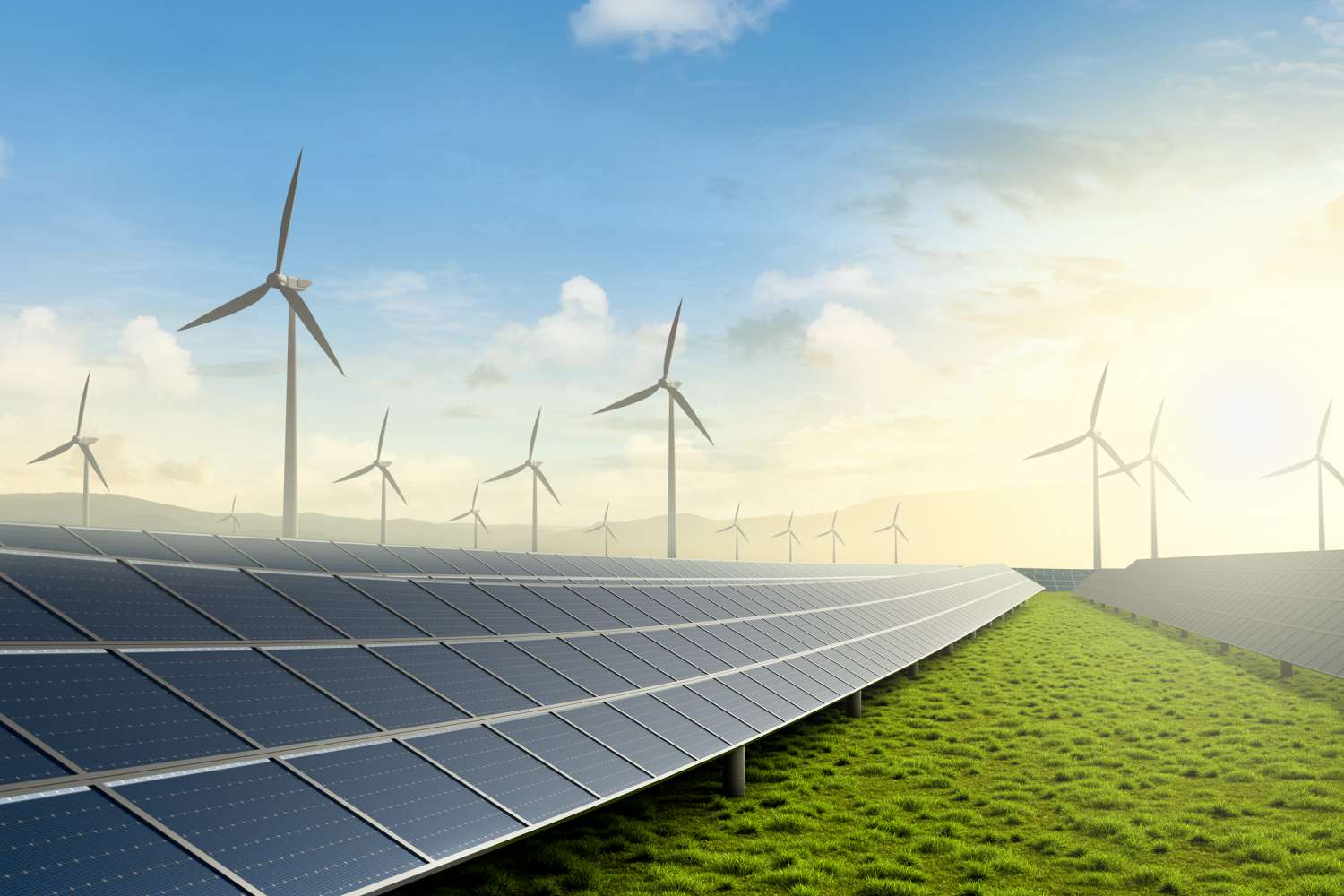
Under a compact to improve energy access announced on Thursday in Windhoek, the capital, the southwest African nation aims to add 454MW of renewable capacity by 2030, lifting the share of renewables in its power mix to 70% from about 54%.
Namibia currently relies on costly imports for more than half of its electricity needs, which the government said has led to some of the highest energy tariffs in Africa, while access to electricity stood at about 60% in 2023 with rural areas lagging far behind.
The energy initiative – part of a World Bank- and African Development Bank-backed Mission 300 programme to expand electricity across Africa – aims to lift access to 70% by 2030, partly through off-grid solar systems and alternative fuels in remote communities.
To attract private capital, the nation plans to streamline procurement for independent power producers, expand a single-buyer model that allows large consumers to buy power directly from generators, and introduce incentives for battery energy storage to improve grid stability.
Namibia is heavily reliant on hydropower, which has been increasingly affected by climate-related droughts.
While the country has strong solar and wind resources, limited domestic generation capacity has meant straining foreign exchange reserves to pay for imports from neighbours including South Africa, which have had power supply problems of their own.
Beyond boosting domestic supply, Namibia wants to become a regional electricity hub by advancing cross-border transmission projects linking Angola, Botswana, Zambia and Zimbabwe.
© 2025 Bloomberg.