
By Lehlohonolo Lehana.
South Africa’s main opposition party, the Democratic Alliance, has already expressed its intention to oppose the National Health Insurance Bill in court.
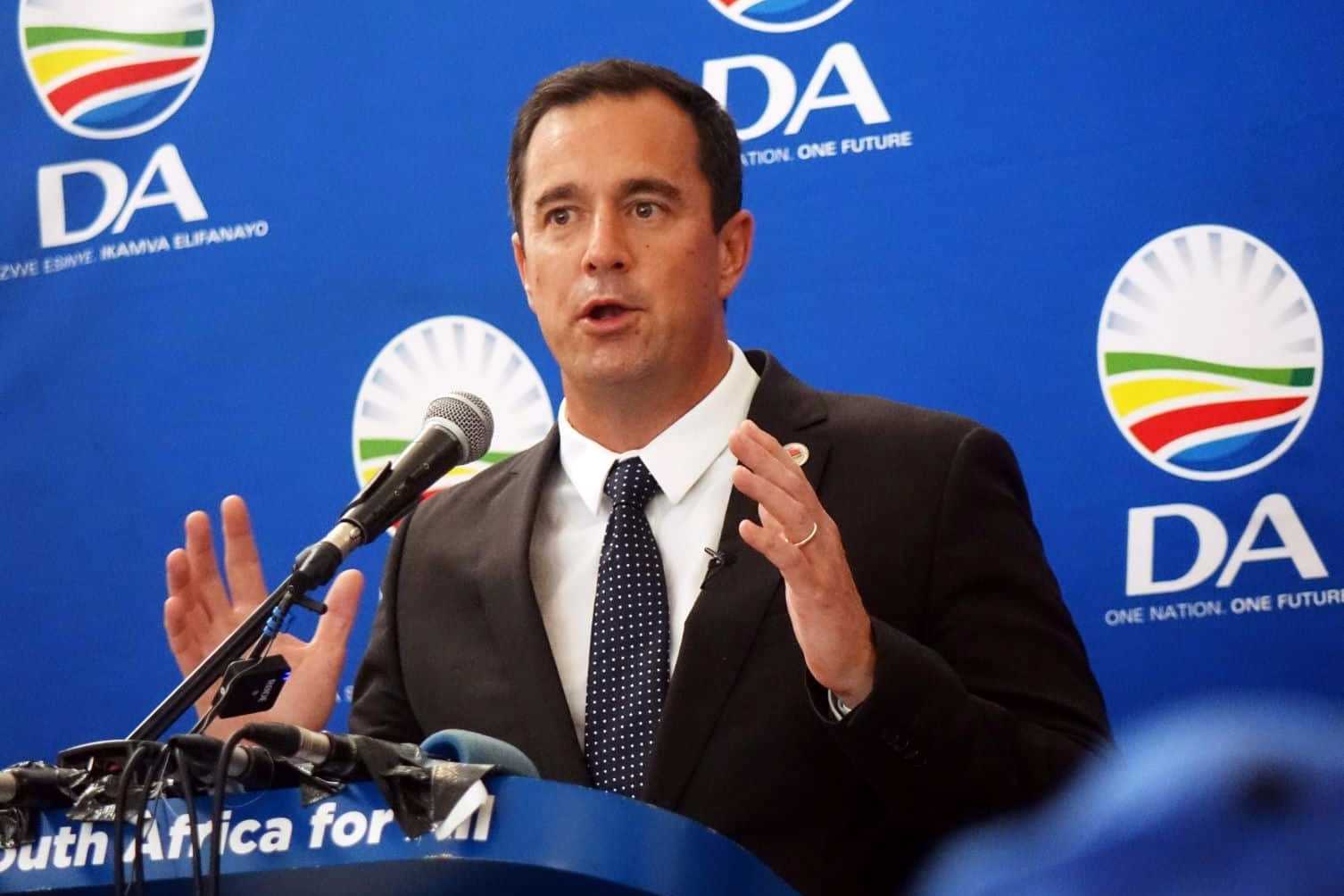
The party’s leader, John Steenhuisen, announced the DA’s move to challenge the NHI in court on Tuesday morning, a day before President Cyril Ramaphosa is expected to sign the NHI Bill into law at the Union Buildings.
The controversial bill seeks to achieve universal healthcare for all South Africans.
Steenhuisen described the planned introduction of NHI as “more corrupt in intent, and more deadly in impact, than BEE, load shedding, cadre deployment, land expropriation and nationalisation put together”.
“Our legal team was briefed months ago already, and we will file our legal challenge against this devastating legislation without delay.
“We have built up reams of correspondence, including with Ramaphosa himself, that we will enter into the evidence to show that the process which led to the adoption of this bill by Parliament disregarded public input and the bill itself is unconstitutional.
“It would be the equivalent to increasing VAT from 14% to 21.5%, increasing personal tax by 31%, imposing an additional payroll tax of R1500/pm of every working person.”
Steenhuisen believes the signing of the bill so close to the 29 May elections is evidence of the politics at play.
“Out of desperation, it cast around for any populist lever it could pull in the hopes of magically boosting its terminal fortunes.
“Unfortunately for the people of South Africa, Ramaphosa chose the NHI as the ANC’s last stand before it finally loses power in less than three weeks.”
The signing of the NHI Bill looks set to be a gigantic payday for the government’s lawyers – though it is as yet unclear if some of the aggrieved parties may join forces to contest the legislation together or as friends of the court.
The Board of Healthcare Funders – one of the major industry bodies for medical aid schemes – was equally resolute, announcing that it would “immediately institute legal proceedings”.
The South African Medical Association stated that it would “fight for the protection of our healthcare services in [the] relevant courts”, and that “our legal team is preparing to launch this challenge”.
Other organisations were slightly more circumspect but hinted that they were not ruling out legal action.
Business Unity SA said it would “consider [its] options” based on the details of Ramaphosa’s Wednesday announcement, and that this might include “appropriate legal interventions”.
The Health Funders Association – another industry body for medical aid schemes – said on Tuesday that it is “well prepared to defend the rights of medical scheme members and all South Africans to choose privately funded healthcare”.
Business Leadership SA CEO Busisiwe Mavuso pointed out on Tuesday that the Constitutional Court had previously struck down legislation because of the state’s failure to adequately take into account the results of public consultation, which she suggested might be the case here.
Mavuso said: “Public consultation cannot just be a matter of procedure, but must include proper consideration of the input received, as spelt out in the Promotion of Administrative Justice Act. It is hard to believe that there has been proper consideration when draft legislation is finalised without change after a comment period.”