
By Lehlohonolo Lehana.
The National Prosecuting Authority (NPA) and the Hawks are bolstering resources to go after those responsible for apartheid-era atrocity crimes in the 1960s.
In a joint statement on Sunday, the crime fighting bodies said the NPA was in the process of setting up a specialist unit to investigate and prosecute these crimes.
On Monday, the Supreme Court of Appeal dismissed apartheid cop Joao Rodrigues’ application for a permanent stay of prosecution for the murder of anti-apartheid activist, Ahmed Timol.
The bodies said the judgment bolstered their determination and commitment to revive investigations and initiate prosecutions.
The judgment is an important step towards honouring those who gave their lives for our constitutional democracy. It aligns with both the Hawks and NPA’s commitment to end impunity as it enables the NPA to move ahead to prosecute Rodrigues and other perpetrators of apartheid era crimes where there is sufficient evidence, and where prosecutions have not taken place, for various reasons, said the joint statement.
“The earlier Rodriguez judgment of the Gauteng Local Division of High Court, on 03 June 2019, directed the NDPP to enquire into improper influence brought to bear on the NPA. This is a complex and complicated matter and the NDPP has been engaging with the Minister of Justice to determine the most effective course of action.”
“South Africans in general, and families of victims in particular, need to understand why these crimes were not prosecuted in the past. This will also provide important lessons regarding the need to ensure a robust framework to protect the independence of the NPA.”
“The NPA acknowledges that the unmerited delay of prosecutions of these cases amounts to the denial of justice to the victims of apartheid era atrocities. The NPA, as lawyers for the people and defenders of those who suffered from injustice, has established dedicated capacity to ensure that those who are responsible for atrocities can be held accountable in a fair and transparent process.”
To ensure that justice is delivered, and to bolster the NPA’s capacity to prosecute these TRC cases, the NDPP transferred the cases to the relevant Directors of Prosecutions (DPP) in the regions where the crimes were committed, with support from a National Office capacity. This approach increased the number of experienced prosecutors available to handle these complex cases. As a result, the number of cases has increased from 4 to 53 over the past 12 months, read the statement.
“Notwithstanding, it was realised that additional and dedicated capacity in both the NPA and importantly the DPCI was needed. As a result a TRC investigation strategy has been adopted by the NPA and DPCI to create dedicated and sustainable capacity to investigate and prosecute apartheid era atrocity crimes. The NPA is in the process of setting up a specialist unit to deal exclusively with these matters, and will be appointing former experienced prosecutors in offices which require additional capacity.”
“The NPA acknowledges that the unmerited delay of prosecutions of these cases amounts to the denial of justice to the victims of apartheid era atrocities.”
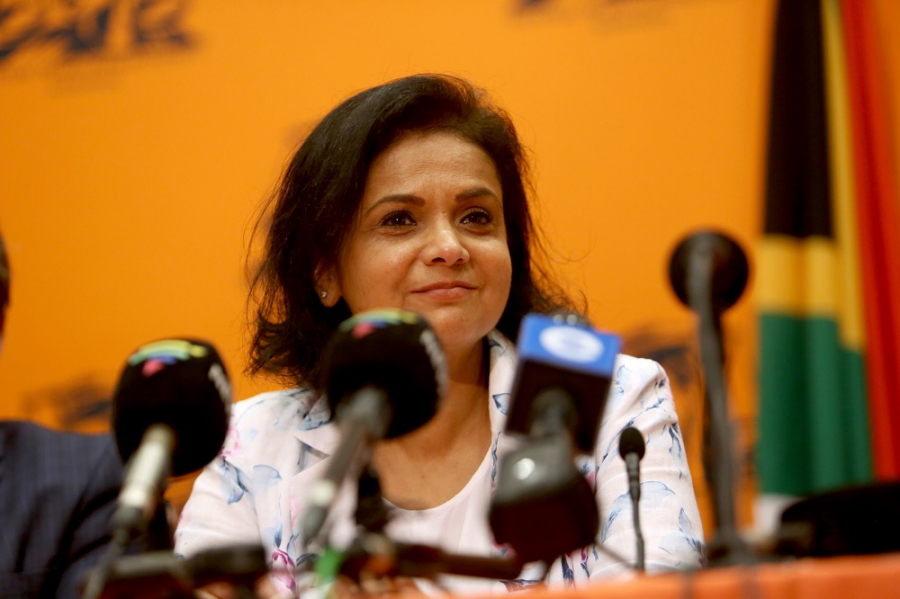
National Director of Public Prosecutions Shamila Batohi had transferred Truth and Reconciliation Commission cases to the relevant Directors of Prosecutions, in the applicable regions where the crimes were committed.
“This approach increased the number of experienced prosecutors available to handle these complex cases. As a result, the number of cases has increased from four to 53 over the past 12 months.”
The inquests into the deaths in detention of Neil Aggett and Ernest Dipale, which were reopened, were at an advanced stage, according to the statement.
The NPA had also obtained ministerial approval to open another inquest. Further details were not provided on that inquest.
The two bodies said health conditions and circumstances of the witnesses and suspects, together with the nature of available evidence, further complicated the investigation and prosecution of these cases.