
By Lehlohonolo Lehana.
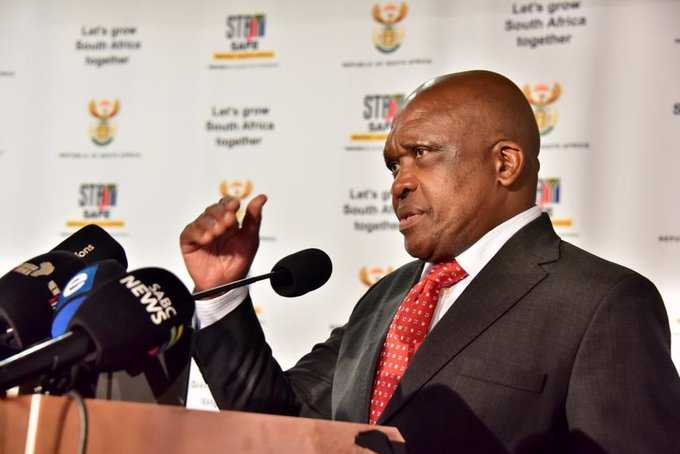
Health Minister, Dr Joe Phaahla, has raised concern that only 30% of people who battle with mental health issues receive treatment in South Africa.
“This should concern all of us because this means we are living with family members, relatives and colleagues who remain undiagnosed and at risk, which can cause danger to others.
“The question is, where is the… 70%, and what do they do with their problems? Imagine a bus or truck driver with unresolved or unattended mental health problems transporting people on the road on a daily basis,” he said.
Phaahla led the national World Mental Health Day event in Newcastle, KwaZulu-Natal to improve knowledge, raise awareness and drive actions that promote and protect everyone’s mental health as a universal human right.
The 2023 campaign is commemorated under the theme: “Mental Health is a Universal Human Right”, which serves as a clarion call for countries to improve access to quality mental health services and ensure that the human rights and well-being of people with mental disorders are respected and upheld.
Phaahla urged communities and organisations to create safe spaces where people can openly discuss their mental health challenges and share their experiences.
By doing so, they aim to break down the barriers that prevent individuals from seeking help and support.
A recent report by Sapien Labs, the second Annual Mental State of the World Report 2021, revealed that South Africa ranks amongst the worst countries in terms of mental health.
Conservative estimates from research suggest that up to a quarter of South African employees may be diagnosed with depression at some point during their working life. Shockingly, only 15% to 25% of those affected seek and receive the help they need.
He believes that promoting open dialogue and reducing stigma will encourage individuals to prioritise their mental well-being, seek early diagnosis, and effectively manage their mental health.
Stigma and discrimination only worsen mental health problems and delay recovery, emphasising the urgent need for change.
Conservative research-based estimates show that as many as one-quarter of South African employees will be diagnosed with depression during the course of their employment. However, only between 15% to 25% will seek and receive help.
According to Phaahla, this will also encourage health-seeking behaviour for early diagnosis and effective management.
Phaahla also acknowledged that in the past, mental health programmes were not prioritised.
“There were even those who referred to it as the ‘Cinderella of the health system’… We were all fixated on preventing deaths from pandemics like HIV and AIDS, TB and others without noting that mental health is central and determines the treatment outcomes for these and other chronic diseases.”
Phaahla said the 2019 Global Burden of Diseases study estimates that mental disorders remained among the top 10 leading causes of burden of disease worldwide, including in the sub-Saharan African region.
“This confirmed the findings by the Medical Research Council in their 2006 burden of disease estimates that ranked neuropsychiatric conditions as third in their contribution to the overall burden of disease in South Africa, after HIV and AIDS and other infectious diseases.”
In addition, he spoke about the current socio-economic challenges emanating from the effects of the COVID-19 pandemic and the increasing risk factors for mental conditions.
Watch Live in the video below:
Video Courtesy of SABC.