
By Lehlohonolo Lehana.
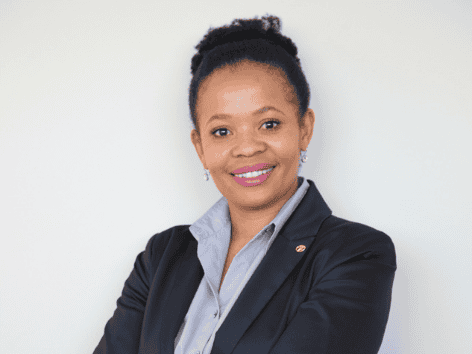
Africa’s largest asset manager Public Investment Corporation (PIC) has appointed its Chief Financial Officer (CFO) Batandwa Damoyi as acting CEO on Wednesday, 15 July 2026.
The move comes as the state asset manager seeks to restore stability following the precautionary suspension of CEO Patrick Dlamini earlier this week.
In a statement issued late on Monday night, the PIC stressed that the suspension was “precautionary” and “does not, in any way, constitute a finding nor is it a pronouncement of any wrongdoing on the part of the CEO”.
Instead, the board said it wanted to provide Dlamini with “sufficient space and time to respond to allegations of impropriety” contained in the whistleblower report submitted last month while allowing an investigation to proceed independently.
As a result, the board decided on Damoyi’s appointment to ensure continuity of leadership while internal processes relating to Dlamini’s suspension are under way.
“The Board is confident that Ms Batandwa Damoyi will provide the leadership and stability required to ensure the PIC continues to serve its clients and stakeholders with integrity and excellence,” the board said.
Damoyi, a chartered accountant, joined the PIC as chief financial officer in April 2024. The board said she has more than 17 years’ executive leadership experience in financial management, governance and strategic leadership across the public and private sectors and has played a key role in strengthening the corporation’s financial stewardship and governance since joining the PIC.
Meanwhile two nonexecutive directors resigned on Wednesday, citing governance concerns.
Thabi Nkosi – an agricultural economist and former chair of the Land Bank – was the chair of the PIC’s investment committee for unlisted investments, and property specialist Nosiphiwo Balfour, who also resigned, served on the same committee.
The latest developments are likely to reignite debate about whether the PIC has fully implemented the recommendations of the Mpati Commission of Inquiry.
According to implementation report, the board approved an anti-fraud, corruption and whistleblower policy, established an ethics office and strengthened procedures for independently investigating disclosures.
The PIC manages more than R3-trillion in assets on behalf of the GEPF, the Unemployment Insurance Fund, the Compensation Fund and other public sector clients. Its decisions influence everything from listed equity markets to infrastructure funding and developmental investments.
All of that means the issue facing the board extends well beyond the future of one executive and is now about whether South Africa’s largest asset manager can demonstrate that governance systems introduced after the Mpati Commission are capable of functioning when they are needed most.