
By Lehlohonolo Lehana.
President Cyril Ramaphosa has expressed his “profound and sincere condolences” over the death of Queen Elizabeth II, in a statement addressed to the new king, Charles III.
“Her Majesty was an extraordinary and world-renowned public figure who lived a remarkable life. Her life and legacy will be fondly remembered by many around the world,” Ramaphosa said.
“The Queen’s commitment and dedication during her 70 years on the throne remains a noble and virtuous example”.
The president said he met the queen at the last Commonwealth meeting in London in 2018, adding that they had looked at letters she was sent by former South African president Nelson Mandela, “reminiscing about the great stateman” whom she “respected enormously”.
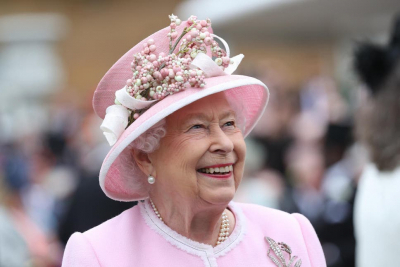
Queen Elizabeth II, the longest-serving monarch in British history, died aged 96 in her Scottish summer residence following nearly a year of ailing health.
Yet, not everyone in South Africa – a member of the Commonwealth, a group of countries largely made up of former British colonies – expressed their sympathies to the late monarch’s family.
“We do not mourn the death of Elizabeth, because to us her death is a reminder of a very tragic period in this country and Africa’s history,” wrote the leftist Economic Freedom Fighters party led by firebrand politician Julius Malema.
The party described the late Queen as the head of an institution “built up, sustained and living off a brutal legacy of dehumanisation of millions of people across the world.”
Nelson Mandela Foundation also send heartfelt condolences to the Royal Family and to all those who regarded her as their Queen. She served her country tirelessly, consistently and with great dignity.
By his own admission, Nelson Mandela was an anglophile, and in the years after his release from prison cultivated a close relationship with the Queen. He hosted her in South Africa and visited her in England, taking particular delight in exploring Buckingham Palace. They also talked on the phone frequently, using their first names with each other as a sign of mutual respect as well as affection.
For Madiba it was important that the former colonial power in southern Africa should be drawn into cordial and productive relations with the newly democratic republic of South Africa. For the same reason, South Africa becoming a full member of the Commonwealth again after its long apartheid-era absence had a special significance.
In later life Madiba would often take pleasure in reminding interlocutors from Britain that South Africa had thrown off the colonial yoke. Equally he would ask anyone from Britain or anyone who had visited Britain the question, “And did you get to meet the Queen?” He would then take great delight in sharing anecdotes of his encounters with her and with the Palace.
Madiba also had a special name for the Queen, namely Motlalepula, which literally means to come with rain. As he explained in 1997 at a banquet for Prince Charles:
“We cherish fond memories of the Royal State Visit to South Africa by Her Majesty Queen Elizabeth in 1995. We regard it as a watershed in the historical relationship between our countries, now firm partners for peace and prosperity. As a token of our affection to Her Majesty, we conferred on her the name Motlalepula, because her visit coincided with torrential rains as we had not experienced in a long time. With the threat of El Nino, we would have welcomed her presence in this period even more. But we can rest content that a part of her soul and her magic is with us today.”
Madiba received numerous civic awards from British institutions, including, from Queen Elizabeth, the British Order of Merit, the Order of St John, and an honorary doctorate in law.
The foundation join many around the world in saying hamba kahle to the Queen. And wish Prince Charles strength and fortitude as he takes on new responsibilities at this difficult time.
Princess Elizabeth Alexandra Mary was born in London on 21 April 1926.
Princess Elizabeth became Queen in 1952 at the age of 25, when her father, King George VI, died.
Her coronation took place 16 months later at Westminster Abbey.
The Queen held a number of other titles, which will now automatically pass to her son and heir.
She was head of the Commonwealth, commander-in-chief of the British Armed Forces, and supreme governor of the Church of England. She was also patron of more than 600 charities and organisations.