
By Lehlohonolo Lehana.
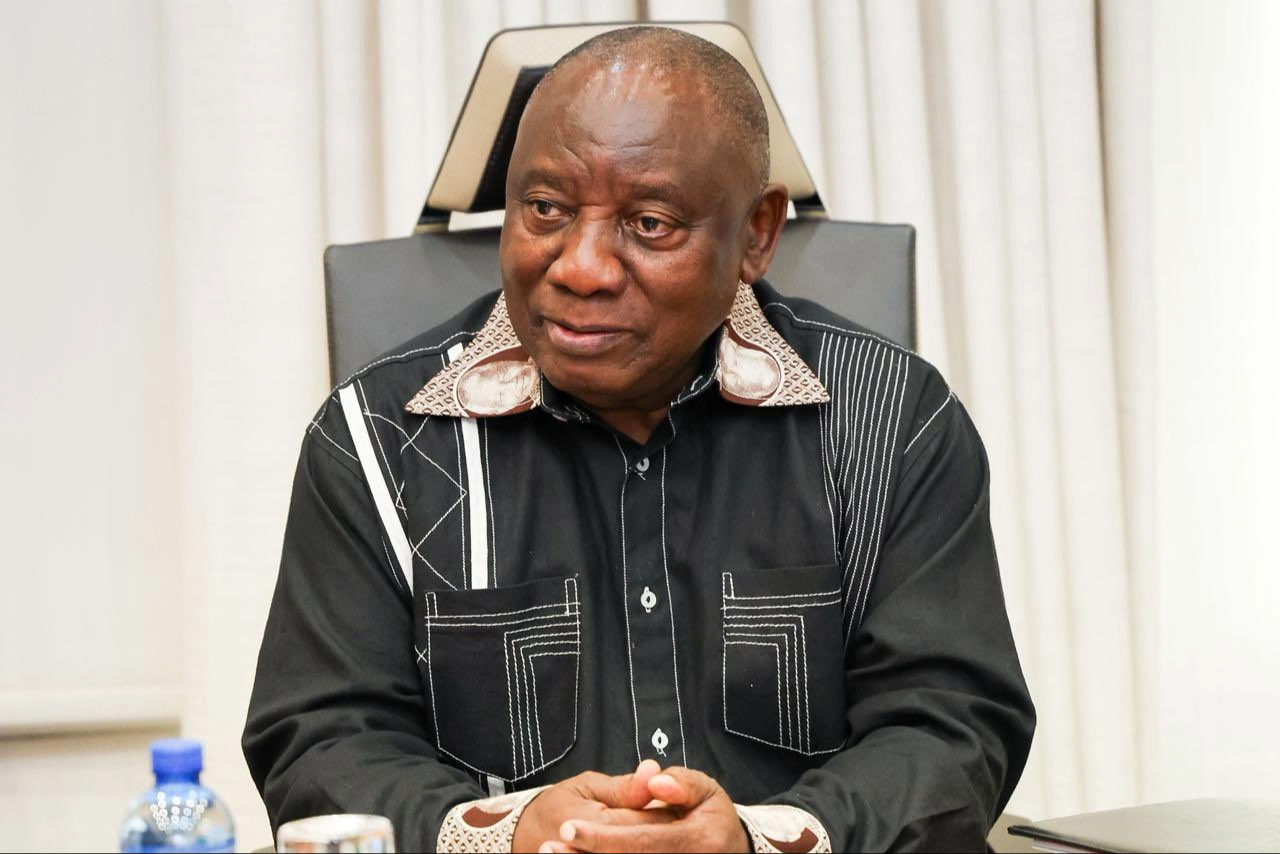
President Cyril Ramaphosa signed the Public Service Amendment Act (PASA) and the Public Administration Management Act (PAMA) Bills into law on 1 April.
The two Acts will reform public administration by strengthening accountability and improving efficiency in the public service.
The Public Service Amendment Act will devolve administrative powers to heads of departments rather than political executives, and introduce mechanisms to recover overpaid benefits.
This means ministers and MECs would lose the power to make appointments, manage day-to-day operations, and control hiring decisions within their departments.
At its core, the legislation aims to entrench merit-based appointments and reduce political interference in the state.
“To put it into simple terms, the Bill’s really designed to basically end cadre deployment as a structural feature of how government operates within our economy.”
One key provision bans accounting officers and senior public servants from doing business with the state.
Dr Ivor Chipkin, co-founder and director of the New South Institute (NSI), said these reforms could fundamentally change how government works.
He called the moment “historic” and said the legislation represents one of the most important things that has happened to South Africa since 1996.
He explained in an interview with 702 that the biggest shift is that the laws finally draw a clear line between political roles and administrative roles.
“It establishes in law for the first time the difference between political office and administrative office.It will prevent, in law anyway, our politicians from having administrative powers,” he said.
Right now, ministers, MECs and even the president can get involved in operational and staffing decisions within departments.
Chipkin argued that this has allowed political office-bearers to interfere in day-to-day administration.
“Our politicians have powers over administrative decisions, the appointment of public servants, even discretion over how the department should be run,” he said.
The Congress of South African Trade Unions (COSATU) meanwhile noted the Bills assenting into law by Ramaphosa.
“We are pleased that after robust and constructive engagements at the Public Service Coordinating Bargaining Council (PSCBC), Nedlac and Parliament, working with the African National Congress led government, COSATU was able to address and resolve workers’ concerns and ensure Parliament could then pass Bills which will help build a capacitated developmental state and tackle corruption and state capture, said Parliamentary spokesperson Matthew Parks.
Parks said, “COSATU is pleased that its negotiations with government at the PSCBC, Nedlac and Parliament to address workers’ fears were successful and the Bills will uplift and protect workers’ rights, enhance the developmental state and strengthen the war against corruption.”
Ramaphosa has also signed a new tax law that gives the South African Revenue Service (SARS) greater powers while also providing taxpayers with important avenues for relief.
The Tax Administration Laws Amendment Act, 2026, which was assented to on 31 March and gazetted on 1 April, makes several changes to how tax disputes, penalties and collections will be handled in South Africa.