
By Lehlohonolo Lehana.
The National Skills Fund (NSF) will provide R800 million towards skills development in the digital and technology sector, through a model that links payment for training to employment outcomes.
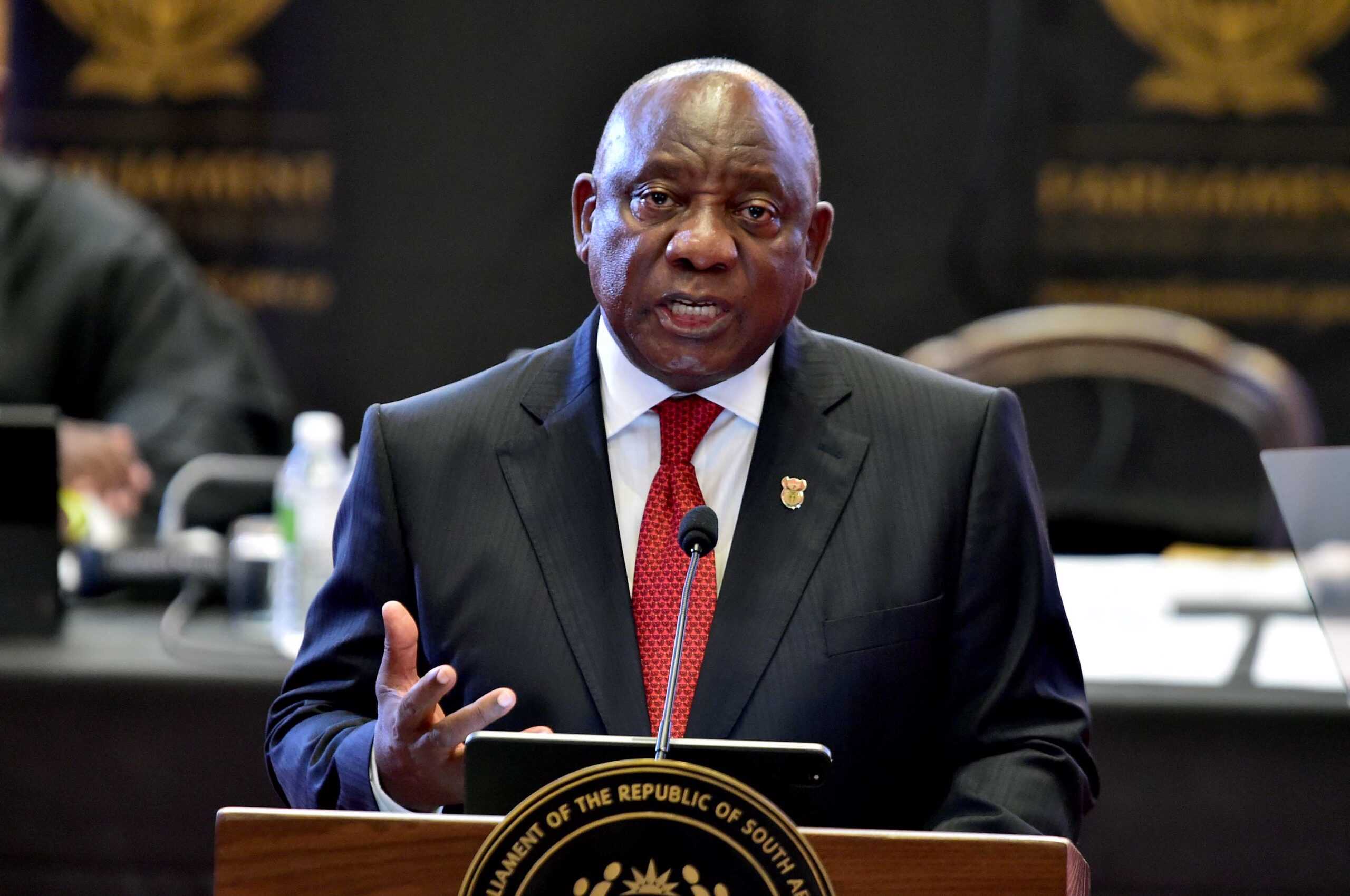
This,in an effort to strengthen the link between the skills developed and the skills the workplace needs, according to president Cyril Ramaphosa.
Ramaphosa’s state of the nation address was clouded by the major socio-economic and basic service delivery challenges the country faces, with the power crisis, high unemployment and an ailing economy at the top of citizens’ concerns.
The president noted the most effective and sustainable way to build an economy is to equip people with the skills and know-how to drive it.
An entity of the Department of Higher Education and Training, the NSF provides funding for national skills development initiatives that are identified by the National Skills Development Plan 2030 as national priorities, or are related to the achievement of the Skills Development Act 97 of 1998.
One of the key findings of the South Africa ICT Talent Development White Paper shows the country’s digital skills gap and demand for ICT talent continue to be inhibiting factors to the growth of the economy.
Furthermore, the 2022 JCSE-IITPSA ICT Skills Survey shows South African organisations are recruiting outside the country’s borders for technologically- and digitally-skilled talent.
Ramaphosa has also reiterated government’s call to companies, departments and State Owned Entities (SOEs) to remove the work experience requirement for young people seeking entry-level positions.
“We reiterate our call to companies, departments and SOEs to remove the requirement for work experience for young people seeking entry-level positions,” he said.
Ramaphosa announced that following last year’s commitment of placing over 10 000 TVET college graduates in employment, government has surpassed that figure and has set a target of placing 20 000 TVET college graduates in employment in 2023.
“The number of students entering artisan training in TVET colleges will be increased from 17 000 to 30 000 in the 2023 academic year, “Ramaphosa said.
Meanwhile, Ramaphosa announced that around 140 000 small-scale farmers have received input vouchers to buy seeds, fertiliser and equipment, providing a boost for food security and agricultural reform, as part of the Presidential Employment Stimulus.
“This initiative has led to the cultivation of some 640 000 hectares of land [and] an impressive 68 percent of these farmers are women. This year, we aim to provide 250 000 more vouchers to small-scale farmers.
“These are examples of the difference that government can make in people’s lives through innovation, creativity and commitment, “Ramaphosa said.