
By Lehlohonolo Lehana.
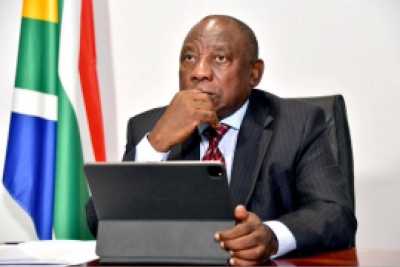
President Cyril Ramaphosa has expressed confidence in South Africa’s legal team as it prepares to argue its case of genocide against Israel at the International Court of Justice (ICJ).
Ramaphosa was briefed on SA’s readiness for its ICJ case against Israel.
The president emphasized the significance of the genocide case and South Africa’s commitment to standing on the right side of history.
The South African case draws extensively on the recent precedent set in the ICJ in the case of The Gambia v Myanmar, and relies on the Genocide Convention adopted in 1948.
The application pre-empts potential objections from Israel regarding the ICJ’s jurisdiction to hear the matter, and provides a convincing paper trail of genocidal acts against the Palestinians, dating back to the Nakba 75 years ago.
Israel is facing a trial at the United Nations’ International Court of Justice (ICJ), accused of committing the crime of genocide with its ongoing military operation against Hamas in the Gaza Strip.
South Africa became the first country to file a suit against Israel alleging that its operations in Gaza constitute genocide.
The case opens Thursday, when South Africa will lay out its allegations. Israel has already blasted the case as “atrocious and preposterous,” but will give its first formal response to the allegations at the ICJ, which is in The Hague, Netherlands, on Friday.
Gaza’s Hamas-run health ministry says more than 23,000 people have been killed during the Israeli offensive sparked by the Palestinian militant group’s Oct. 7 terror attack, which Israel says left about 1,400 people dead and saw Hamas kidnap more than 200 others. Hamas officials do not distinguish between civilian and combatant deaths.
Anticipating that the ICJ will take its time in ruling on the genocide case, the South African lawyers are expected to ask the court to issue an injunction ordering an immediate stop to the Israeli military’s operations in Gaza.
Established in June 1945 by the Charter of the United Nations, the ICJ started its work in April the following year. It is described by the U.N. as the global body’s “principal judicial organ.”
The court consists of a panel of 15 judges, all elected by U.N. members for nine-year terms. Both South Africa and Israel will appoint a judge to the panel for this case, which will bring the total to 17 judges for the duration of the trial.