
By Lehlohonolo Lehana.
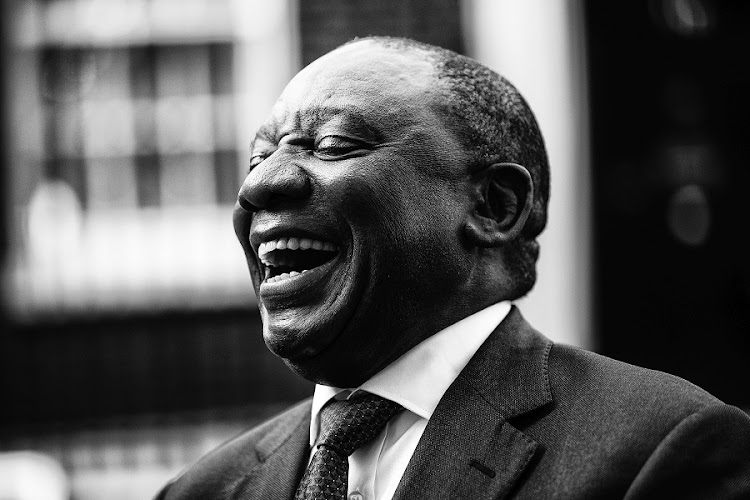
President Cyril Ramaphosa has asserted his authority that it is his sole responsibility to appoint a replacement for the ousted ambassador to the US.
Ramaphosa was speaking on the sidelines of the DENOSA congress at the Birchwood Hotel in Boksburg, East of Joahnensburg.
His comments come at the back of the Democratic Alliance (DA) calling for all Government of National Unity (GNU) partners to be consulted on all ambassadorial appointments.
Section 84(2)(i) of the Constitution determines that the President, in terms of his powers and functions, is responsible for “appointing ambassadors, plenipotentiaries, and diplomatic and consular representatives”.
South Africa is currently without an ambassador in Washington following the recent expulsion of Ebrahim Rasool.
US Secretary of State Marco Rubio described Rasool as a “race-baiting politician” with hostile views toward both America and Trump. He declared Rasool “persona non grata”, effectively removing him from the US.
His expulsion came after he made comments during a webinar hosted by the Mapungubwe Institute for Strategic Reflection, where he accused Donald Trump of pushing policies aimed at addressing the changing demographics of the US, which he argued were part of a wider supremacist agenda.
Earlier this week, Ramaphosa was asked if he thought Rasool had erred in publicly criticising Trump. He said Rasool would return to South Africa and give him a full report.
“So I will wait for a full report from him, but at the same time we have noted this displeasure that has been expressed by the United States, particularly about the remarks he made… and we will engage with them as we are already engaging with them,” Ramaphosa said.
Although the prerogative to appoint ambassadors rests with the president, the DA has called for a review of foreign policy at the Cabinet level in light of the growing tensions between Pretoria and Washington. The second-largest party in the Government of National Unity has suggested adopting a consensus-based approach for the appointment of ambassadors.
“The ANC, a 39% party, no longer enjoy an outright majority and are no longer at liberty to single-handedly determine South Africa’s foreign policy agenda without consulting their partners in government.
“Section 231 (1) of the Constitution is clear that the negotiation and signing of all international agreements is the responsibility of the National Executive, in other words — the multiparty Cabinet, established and regulated in terms of the Government of National Unity’s founding Statement of Intent, “said the DA.