
By Lehlohonolo Lehana.
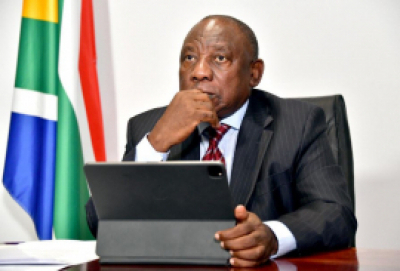
President Cyril Ramaphosa has been given 10 days to answer questions relating to the Phala Phala farm scandal.
An independent panel, which will determine whether Ramaphosa has a prima facie case to answer on Phala Phala, has allocated the president the timeframe between 28 October and 6 November to respond to information and questions received regarding the robbery.
MPs have until Thursday to submit information to the Section 89 panel, after which Ramaphosa will have to respond.
During this period, the panel will have 10 days – from 7 to 17 November – to consider all information received, conduct any additional research required, deliberate on the facts, and write and finalise the report for National Assembly Speaker Nosiviwe Mapisa-Nqakula.
This is according to the timeline of the activities of the panel of experts which started its work last Wednesday.
Furthermore, Parliament has stressed the panel would work under “severe time constraints”.
The panel is chaired by former Constitutional Court (ConCourt) Chief Justice, Sandile Ngcobo, former Judge Thokozile Masipa and Advocate Mahlape Sello, who recently served on the State Capture Commission.
The establishment of the panel comes after Mapisa-Nqakula accepted a request by the African Transformation Movement (ATM) for a Section 89 inquiry to be established against Ramaphosa, who has long denied any criminal conduct.
According to that motion, the president is facing four charges which relate to the improper reporting of the crime, and the conflict of personal interests with his official position.
Late submissions will not be accepted without earlier written consent of the chairperson obtained before the expiry of the six-day period.
The panel, which has 30 days to report, was formed after a motion of no confidence against Ramaphosa was submitted after Arthur Fraser lifted the lid on the theft when he laid a charge in the Rosebank police station in June.
In an explosive affidavit, Fraser said Ramaphosa kept foreign currency concealed in his furniture at his Phala Phala farm as prima facie proof of money laundering.