
By Lehlohonolo Lehana.
President Cyril Ramaphosa says government remains committed to creating a Sovereign Wealth Fund which will benefit future generations, however, the conditions do not currently exist to establish an immediate one.
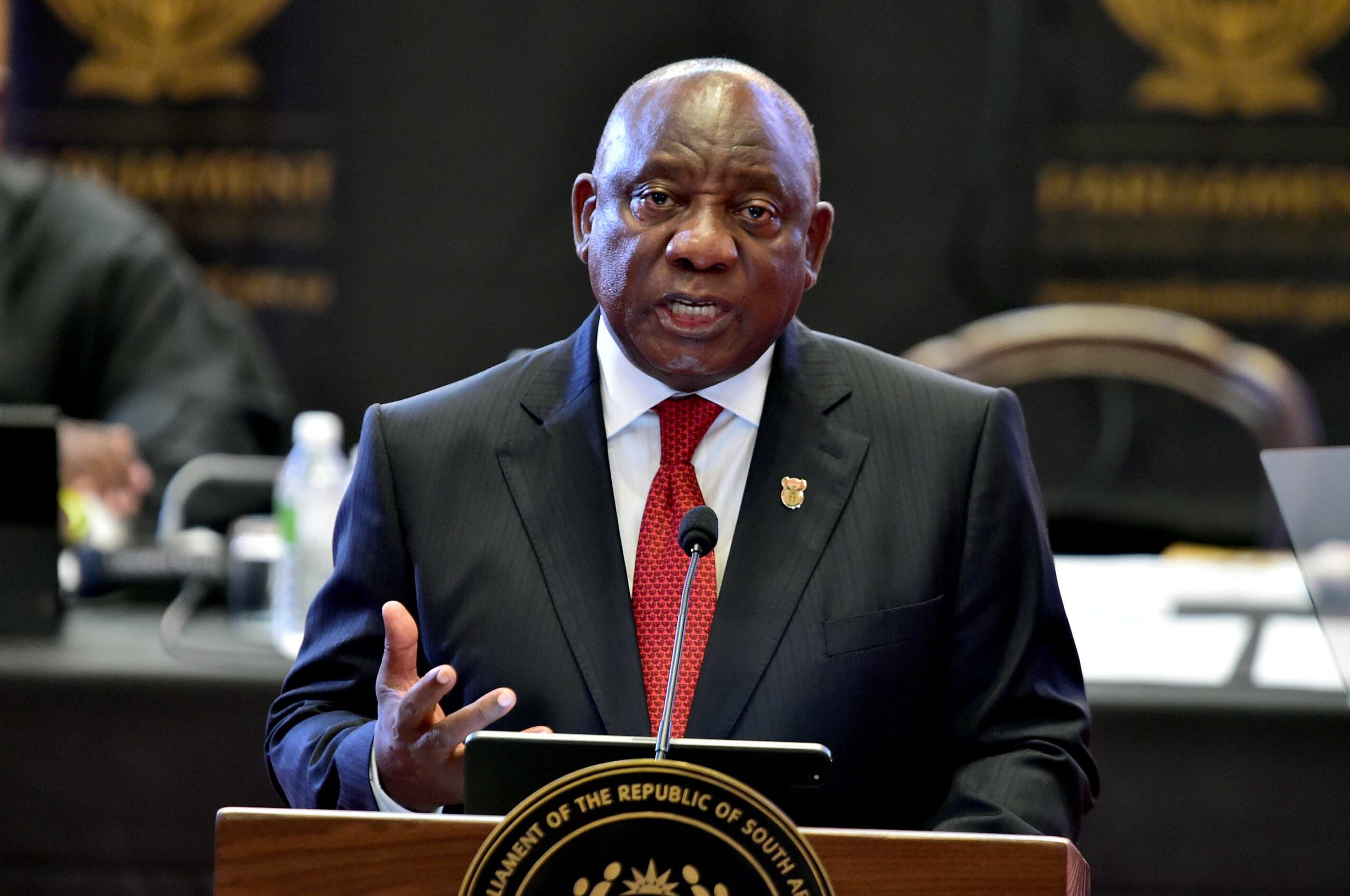
Ramaphosa was responding to questions for oral reply in the National Assembly in Parliament, Cape Town on Thursday. This was his first such session under the Government of National Unity.
“At present, with our fiscal position, with substantial current account and budget deficits, it is not the most opportune and favourable time for us to establish a sovereign wealth fund,” he said.
“Funding for service delivery remains under pressure, additional resources are required to improve the recruitment of key personnel such as police and teachers. We also need to increase basic maintenance for infrastructure.”
The idea of a sovereign wealth fund has long been touted, but in 2020 then finance minister Tito Mboweni said steps were finally being taken to make sure it was realised.
Ramaphosa said the government would continue to work towards the objective of a sovereign wealth fund, because it could ensure “that the national wealth of our country is effectively used to support economic and social development for years to come”.
In a supplementary question, the Democratic Alliance said it had concerns about implementation and management of the fund “especially with the proven track record of mismanagement and corruption within state owned enterprises”, and that the fund would stretch already severely burdened taxpayers.
But Ramaphosa said that if the “architecture” of the fund was well structured, “we would argue that you do not need to utilise money from the fiscus to create the sovereign wealth fund”.
Proceeds for the fund would be from government-held assets, he said, “as it flows through dividends and other processes”.
He used the example of the government-owned Public Investment Corporation (PIC), which manages government pensions among other assets, as an example that the state can be trusted with money. The funds under the PIC’s management had surpassed R7 trillion, Ramaphosa said.
The PIC invested its money “very, very effectively” in bonds and equities and supported economic development by funding a number of business development projects, he said.
Ramaphosa said the sovereign wealth fund would be built from state-owned enterprises and have an SOE holding company from which dividends could be drawn
“And I would like to believe that with good corporate governance processes, the money should be well managed, akin to what has been happening through the PIC.”
The money from the fund would be used for economic development, he said.
He conceded that many of the country’s SOEs were “in the doldrums”, but said processes were under way to reposition them.
“And when they are repositioned — and this will take time — we will then be able to draw dividends from those, and the dividends will start flowing into the sovereign wealth fund and building it up.”
A document published in December of 2021 by the National Treasury described some of the features of a Sovereign Wealth Fund, saying that such a fund is often a state-owned company that would accumulate resources for capital investment through a dedicated revenue instrument or instruments.
“It will then invest these resources in different asset classes. Countries with Sovereign Wealth Funds – there is quite a number of them around the world – often maintain surpluses in their current accounts and balance sheets or balances, this provides the fiscal space to establish a Sovereign Wealth Fund.