
By Lehlohonolo Lehana.
President Cyril Ramaphosa has unveiled a National Water Action Plan (NWAP) that is aimed at addressing ongoing water challenges across the country.
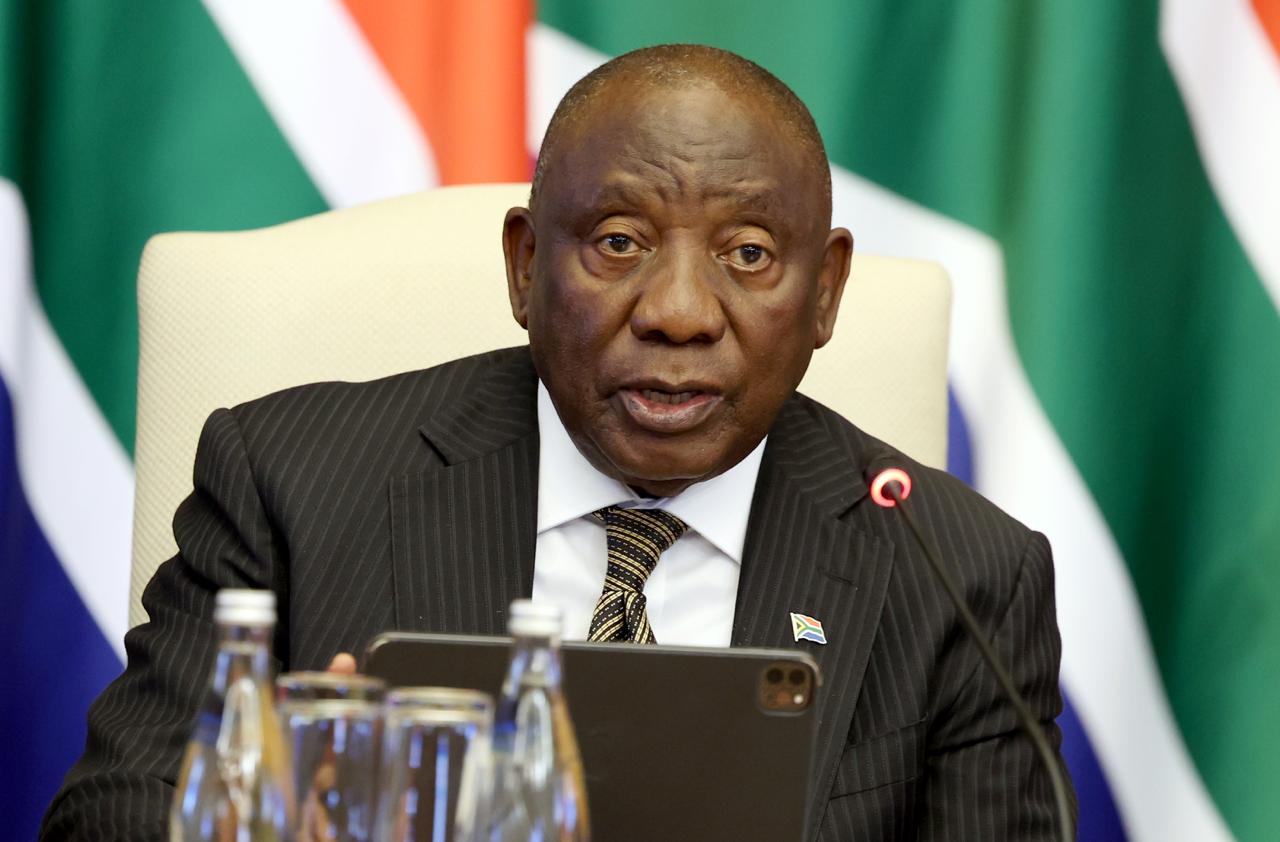
He chaired a meeting of the National Water Crisis Committee (WATERCOM) at the Union Buildings in Pretoria on Thursday.
WATERCOM is working with municipalities to mobilise resources, expertise, and new partnerships to stabilise failing systems, recover critical services and expand access across the country.
It will ensure a coordinated approach to the institutional and financing reforms necessary to achieve water security, including ring-fencing water revenues to ensure adequate maintenance of water assets and increasing investment in bulk water and distribution infrastructure.
Ramaphosa said the government wants to replicate the approach used to tackle load shedding, with the goal of restoring reliable water services.
The plan brings together all spheres of government and other key partners to drive implementation.
It outlines government’s coordinated approach to improve water security through better municipal water services, infrastructure investment, and institutional reforms to ensure reliable water and sanitation services for all South Africans.
The announcement comes amid growing frustration from households and businesses affected by persistent water shortages, deteriorating infrastructure and poor municipal service delivery across several parts of the country.
The President said, “The National Water Action Plan outlines a clear, practical and focused approach to ensure water security for all South Africans, no matter where they live.”
Government is firmly committed to ensuring a reliable supply of quality water for all South Africans. The Plan will bring together all spheres of government and social partners to achieve this objective, added Ramaphosa.
South Africa loses 37 percent of its treated water through leaks, burst pipes, vandalism and illegal connections, water that has been sourced, treated and pumped at great cost, only to disappear before reaching homes or businesses. For municipalities already struggling with constrained budgets, this level of loss is devastating.
The Department of Water and Sanitation’s assessments show that 105 municipalities face a collective water infrastructure backlog of roughly R400 billion.
Many treatment plants and pipelines have reached or exceeded their design life, while rapid urbanisation and climate impacts intensify pressure on already fragile systems. Even with nearly R100 billion invested in the last five years, repair and upgrade efforts have not kept pace with growing demands.
WATERCOM will meet regularly to oversee the implementation of the Plan and to hold the responsible departments and agencies accountable for delivery, said Ramaphosa.