
By Liesl Peyper and Suren Naidoo.
South Africa’s rand is on the brink of a record low against the US dollar after hitting R19.75 just before midnight, a plunge of over 7% over the last week and its weakest level since June 2023.
The rand, which has already hit a record low against the British pound, fell a further 0.56% on Tuesday against the greenback as uncertainty around the future of the government of national unity (GNU) and Trump tariffs continued to weigh on the local currency.
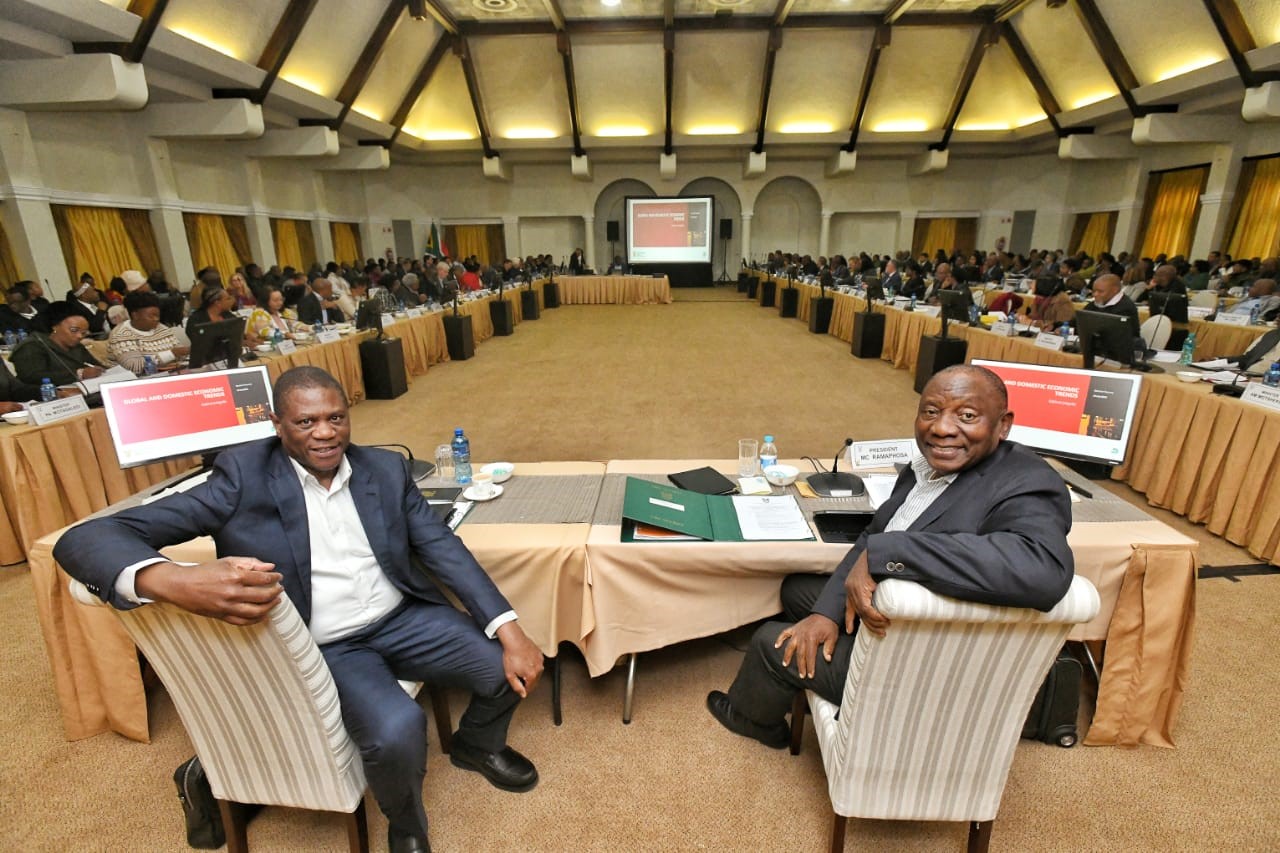
The fallout between the ANC and DA (the two biggest parties within the fragile GNU) over SA’s national budget incorporating a Vat hike has been largely blamed for the rand’s recent woes, with market watchers worried about a DA exit.
SA’s currency last traded within a whisker of the R20 to the US dollar level back on 1 June 2023, when it around R19,90. At the time it came in the wake of US allegations that SA had supplied arms to Russia and amid worsening levels of load shedding in the country.
In an investment note, Investec chief economist Annabel Bishop said this week that the rand would have been “substantially stronger” without the threat of the DA exiting the GNU, even after the imposition of the universal tariffs from the US.
Bishop expects the local currency to weaken below the R20 to the dollar mark on a DA-GNU exit.
Chantal Marx, head of research at FNB Wealth and Investments, told Moneyweb’s Jimmy Moyaha on SAfm Market Update on Tuesday that the two biggest parties in the GNU have at least shown a “willingness to engage”, which should “help the rand”.
A weakening above R20 to the dollar would be seen as a significant move away from fair value, she said.
“If we see a breach above R20, we expect it to be short-lived, unless something else changes drastically,” added Marx.
Meanwhile, most major world markets firmed on Tuesday. The JSE All Share Index (Alsi) recovered some lost ground from last week’s plunge, closing 2.5% stronger at 84 227 points.
This follows a severe dip on Monday morning when the index fell below the 80 000 level for the first time this year due to market turmoil triggered by the Trump administration’s tariff announcements and fears of a global recession.
Marx said the uncertainty in world markets has not faded and that conflicting messages coming from Washington are keeping everybody on tenterhooks.
The JSE’s recovery on Tuesday was part of a global market rebound, with the Nikkei closing 6% higher, while the S&P 500 gained 2.2% and the Nasdaq 2.4% at around 6pm.
In Europe, indices also performed better, with the FTSE 100 closing 3% higher, the German DAX up 2.8%, and the CAC 40 up 2.5%.
Johann Els, chief economist at Old Mutual, said the current uncertainty is especially “cause for concern” for confidence and investor sentiment.
He has downgraded his growth forecast marginally for SA in response to expected softness in US-linked exports following the tariff announcement but does not foresee a local recession.