
By Lehlohonolo Lehana.
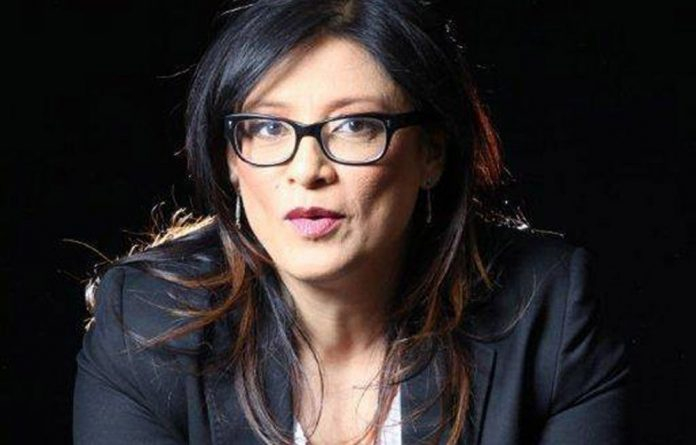
Photo Credit: Facebook.
Renowned journalist Karima Brown has died from Covid-19 complications. The news of her death was confirmed by eNCA.
[BREAKING NEWS] Journalist Karima Brown dies of COVID-19. Brown hosted ‘The Fix’ on eNCA. She was admitted to hospital with COVID-19. #DStv403 #eNCA pic.twitter.com/qE6Ut51o9y
— eNCA (@eNCA) March 4, 2021
According to the news channel, Brown had been in hospital on a ventilator fighting Covid-19.
Brown’s family released a statement, saying she will be laid to rest in a private burial ceremony.
“We are enormously proud of the fierce determination she had shown, since her early years, to get involved in bringing about a more just, inclusive, and anti-racist South Africa,” the statement read.
“This determination also shaped her fearless approach to journalism. She was driven by a conviction that journalism must be in service of justice.”
Karima launched Forbes Women Africa magazine and has hosted ‘Political Exchange’ and ‘Beyond Markets ‘ on CNBC Africa. In addition to her media work, Karima was a sought-after facilitator and commentator for corporates and other organisations trying to make sense of the big issues facing the country.
She was the host of the ‘Karima Brown Show’ on 702 Talk Radio on Mondays to Thursdays between 8 pm and 10 pm. This was a hard-hitting politics show which brought big names and newsmakers into the discussion. Karima held politicians to account and helped audiences to make sense of the issues of the day.
Karima was also the host of ‘The Fix’ on eNCA, a no-holds-barred current affairs show which saw her and her panel of guests crunch major news events, examine the key issues and debate the way forward.
Born Karima Semaar in Cape Town in 1967, Brown by most accounts did not so much have a “political awakening” as she grew up with politics already flowing through her veins. Her father, Achmat Semaar, was a respected Mitchell’s Plain community leader and ANC activist. Brown followed in his footsteps as a youth activist, becoming active in the Cape Youth Congress (Cayco) in the 1980s as a student at the University of the Western Cape. When the South African Students Congress (Sasco) was formed, she was part of the Western Cape leadership group.