
By Ntando Thukwana.
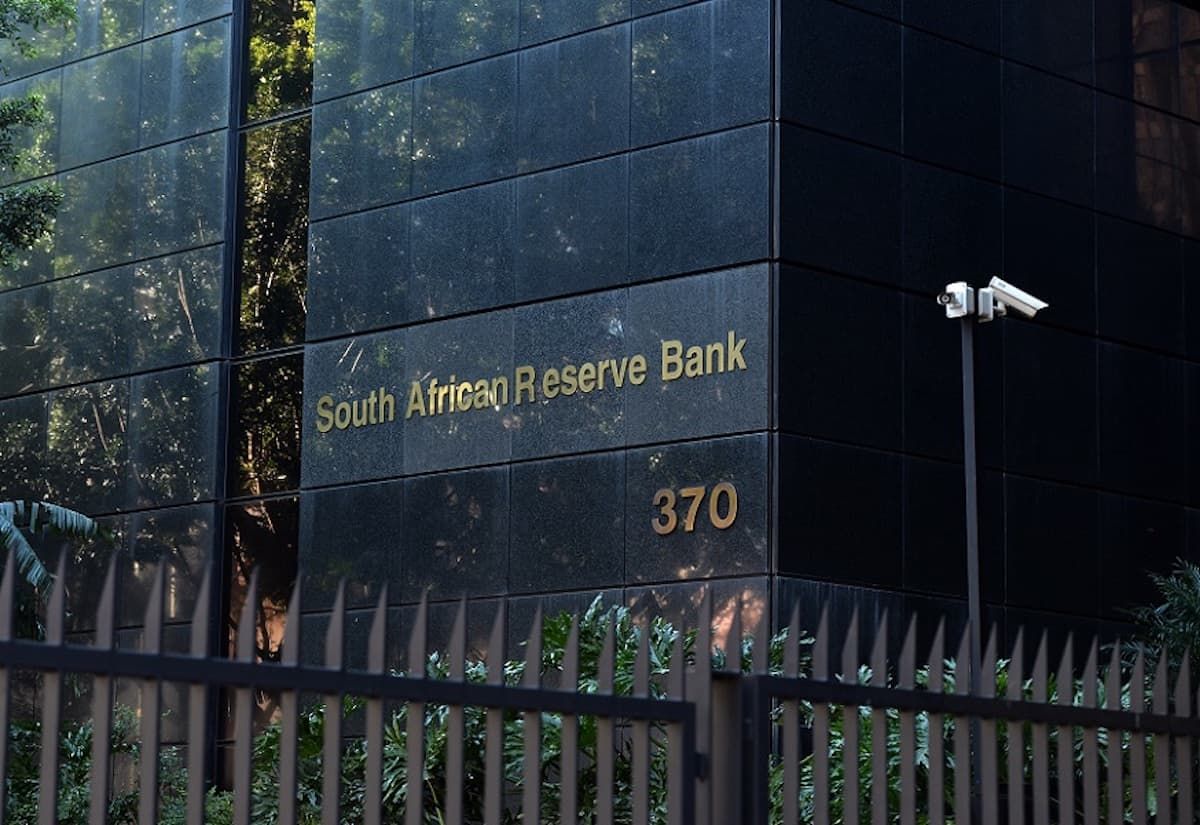
South African Reserve Bank Governor Lesetja Kganyago says policymakers can afford to respond cautiously to the after-effects of inflation shocks such as higher oil prices caused by the Iran war and a looming drought.
“We are dealing with, for lack of a better word, what I would call a polyshock, and that means that the decisions that we take are, not that they were ever easy, but they have just become even more difficult,” Kganyago said on News24’s Bruce Whitfield’s Business Week podcast on Thursday.
“The manner in which we respond to the aftereffects of the shock can continue to be measured.”
Kganyago and his colleagues unexpectedly kept the benchmark policy rate at 7% at their July meeting, after raising it by 25 basis points at the previous gathering, citing risks to economic growth and lowered their inflation forecasts.
The six-member Monetary Policy Committee (MPC) will next decide on rates on 23 September as the Middle East conflict rages on, driving up energy and fertiliser prices and the El Niño weather pattern threatens to curb rainfall impacting food costs.
Food accounts for almost 17% of the consumer price index.
Forward rate agreements, used to speculate on borrowing costs, are pricing in a 52% chance of a 25 basis point increase at the next MPC meeting, compared with 61% on Wednesday.
Kganyago also repeated his resolve to return inflation back to the central bank’s 3% goal adopted last year.
Price growth moderated to 4.3% in July from 5% the prior month.
“What is in no doubt is that the Reserve Bank is committed to getting inflation back on target,” he said. “We will bring inflation back to target.”