
By George Nixon and Andras Gergely.
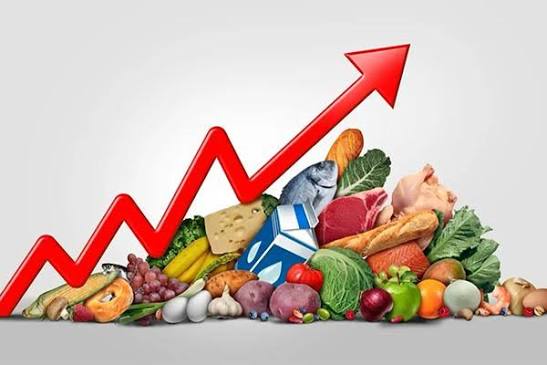
Energy prices have been the scourge of bond markets this year. Now investors worry that the next inflation spike will come from food.
They see a risk that a “Super” El Niño, tight fertiliser supplies, attacks on shipping and fallout from Europe’s record hot summer will push the cost of staple foods higher. Even after the Federal Reserve raised rates and vowed to tame inflation, a sustained rise in prices could create a new problem for bond portfolios.
Money managers such as Carmignac, Fidelity International and Troy Asset Management are buying protection or cutting exposure to countries that may be hardest hit.
“I think the next supply shock will be on food,” said Marie-Anne Allier, who co-manages €7.6 billion ($8.7 billion) at Carmignac.
“I don’t think that’s priced in the market at the moment, especially as we expect it to be slow but persistent.”
Surging oil and gas, along with concerns about debt burdens in Europe and the US, have weighed heavily on government bonds this year, driving yields to levels last seen before the global financial crisis. Food, meanwhile, has been acting as a brake on inflation thanks to ample harvests in 2025.
That could change as early as this fall in Europe, according to Barclays economists, and more widely next year if crop yields and exports continue to suffer.
A UN index of food commodities is the highest since late 2022, while JPMorgan Chase & Co economists forecast global food inflation will jump to 5% in the first half of 2027, up from 2.8% in the same period this year.
To counter the risk, Carmignac has been buying US and European index-linked government bonds. Allier sees every dip in five-year break even rates, which give an indication of expected price trends, as an opportunity to add to those positions.
Central banks are watching closely because a food shock may boost household expectations of inflation and spread through the economy by triggering demands for higher wages.
The Bank of England, which held interest rates on Thursday, said it saw “upside risks to food inflation” going into 2027.
“We see inflation underpriced in the US and also in the UK,” said Mark Dowding, chief investment officer at RBC Bluebay. The firm closed a position in 12-month UK interest rate futures last month because of the deteriorating outlook for food and energy.
What Bloomberg strategists say:
“Unlike energy, food has fewer second-round effects on production costs. With food demand relatively inelastic, the shock is therefore more inflationary than growth negative. That’s an uncomfortable mix for government bonds already under pressure.” – Skylar Montgomery Koning, macro strategist.
Charlotte Yonge, who manages more than £6 billion ($8 billion) at Troy Asset Management, also expects food price inflation to build over the next six to 12 months and says five-year UK and US breakevens don’t yet reflect this.
Yonge said she is protecting against food price and wider inflationary concerns through short-dated index-linked bonds in the UK and US.
Laurence Mutkin, head of EMEA rates strategy at Bank of Montreal, said concerns about a rise in food prices next year reinforced his view on staying short 10-year UK gilts, targeting an increase in yields to about 5.75%.
Eastern Europe has already seen a larger increase in bond yields to reflect the impact of war on Ukraine’s exports, according to Daniel Wood, a fixed income portfolio manager at William Blair International. In Hungary, drought has pushed up imports but a stronger currency and falling demand have helped contain the inflationary impact, he said.
“Countries like Egypt and Turkey that have a high import reliance are also sensitive, particularly if food price increases are accompanied by a weaker currency,” he added.
“In Asia, countries with a high component of food in their CPI basket like India and Philippines are also vulnerable to negative weather patterns.”
Asia and Latin America are likely to bear the brunt of hotter, drier weather as a result of this year’s El Niño, with some disruption to agriculture expected, according to Philip Fielding, fixed income portfolio manager at Fidelity International.
The firm still sees opportunities for good returns in emerging markets but has reduced its “interest rate exposure in Latin America in favour of countries that should be less affected,” he said.
Others argue that the more prices of essentials like food rise, the more growth will be depressed, making interest rate hikes harder to justify. Karen Ward, EMEA chief market strategist at JPMorgan Asset Management, said labour markets in Europe and the US were not strong enough for “a sustained wage passthrough.”
Yet plenty of bond traders are unwilling to take that risk, particularly given recent signs of economic resilience in the face of global headwinds.
© 2026 Bloomberg.