
By Lehlohonolo Lehana.
The international community has been called upon to scale up efforts to eliminate cervical cancer, which has become the second most common cancer among women.
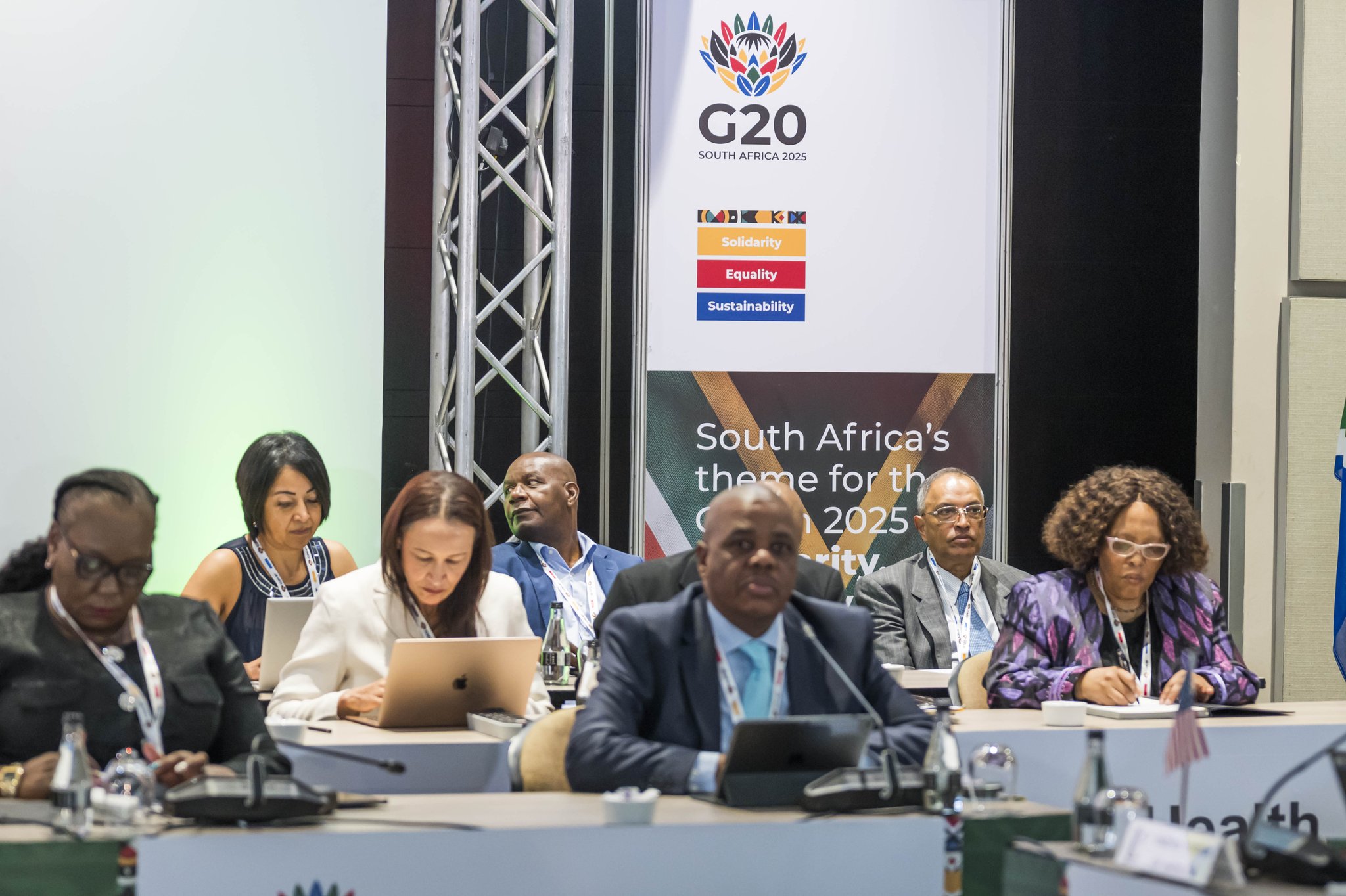
This call was made by South Africa, Unitaid and the World Health Organization (WHO) at the Group of Twenty (G20) Health Working Group meeting, which took place on Thursday in Zimbali, outside Durban.
According to the Department of Health, cervical cancer is preventable and potentially curable, as long as it is detected early and managed effectively.
Statistics by the WHO show that the disease claimed the lives of almost 350 000 women globally in 2022.
“New vaccines, tests, and treatment technologies have transformed cervical cancer prevention in recent years, yet the disease continues to disproportionately impact women mostly in low- and middle-income countries where access to primary health care and preventive services are limited. Cervical cancer elimination would address a major gap in Women’s health,” the department said.
Speaking on the sidelines of the G20 health meeting, Unitaid’s Deputy Executive Director Tenu Avafia said Unitaid has invested US $81 million or R1.4 billion to bring down prices, increase volumes and address operational questions involved in cervical cancer screening and treatment to enable countries to scale up proven interventions with minimal risk.
“However, funding shortfalls still pose enormous challenges to building national cervical cancer elimination programs in low- and middle-income countries,” Avafia said.
Unitaid makes health products accessible, available and affordable for people who need them most.
Department of Health’s Director-General Dr Sandile Buthelezi said improving women’s health was not just a health issue but “an economic imperative”.
“It drives social stability, boosts productivity, and breaks the cycle of poverty. Global efforts to combat cervical cancer serve as a concrete illustration of how cooperation can advance women’s health and realize a shared goal to bring about the first-ever elimination of a cancer, “he said.
In 2020, the WHO launched the global strategy for cervical cancer elimination, the first-ever roadmap for the elimination of a cancer. Since then, countries have made enormous strides in rolling out new tools and services.
Vaccination against Human Papillomavirus (HPV) provides protection against infection that causes nearly all cases of cervical cancer.
And a package of screening and treatment tools – including HPV tests with the option for self-sampling and devices for quickly and easily removing pre-cancerous cells – make it possible to make lifesaving services available to women at lower levels of the health care system.
The health working group session called for a coordinated approach drawing on domestic resource mobilization, blended financing, and partnerships with multilateral development banks to scale these solutions, ensure long-term sustainability and reduce dependency on external aid.
Government asserted South Africa’s commitment to scaling up cervical cancer prevention programs nationwide with support from Unitaid, the WHO and other partners.