
By Lehlohonolo Lehana.
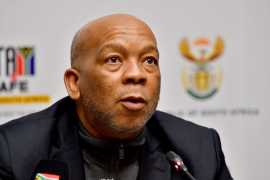
The Minister in the Presidency responsible for Electricity, Dr Kgosientsho Ramokgopa highlighted the substantial progress South Africa has achieved in addressing its energy generation issues.
Ramokgopa, on Friday undertook a working visit to Namibia to participate in a bilateral meeting with the Minister of Mines and Energy in Namibia, Tom Alweendo.
The meeting explored opportunities for mutual cooperation between South Africa and Namibia in the following areas:
- Energy Generation – focusing on how natural resource endowments can be leveraged to support energy generation, regional sovereignty and regional energy security.
- Transmission infrastructure planning – regional interconnectivity in the context of the SADC Power Pool.
- Hydrogen Economy – benefaction to support regional socio-economic development.
A senior team of Eskom executives formed part of the delegation and shared the work already underway, and future planning to strengthen and expand the existing transmission infrastructure spanning from the Northern Cape in South Africa to Oranjemond in the south of Namibia.
The meeting discussed the development and exploitation of gas reserves from the Kudu fields in the Orange Basin to provide affordable gas fired base load power of up to 840MW for 35 years. South Africa could benefit from up to 600MW of this.
Kudu is a conventional gas development located in shallow water in Namibia and is operated by BW Kudu.
According to GlobalData, who tracks more than 34,000 active and developing oil and gas fields worldwide, Kudu was discovered in 1974, lies in block Kudu, with water depth of around 558 feet.
Alweendo, elaborated, “The discussions were around how SA can be part of the Kudu gas-to-power development so that we both benefit from this gas-to-power development. We also reflected on the fact that we both have a green hydrogen strategy and therefore, if we make sure that we collaborate our efforts so that we do not become competitors rather than collaborators in the effort of green hydrogen.”
The opportunities in the green hydrogen sector, includes:
- Trading of green hydrogen-based products, such as green ammonia and green steel.
- Supply of components such as solar panels, electrolysers and wind turbines.
- Development of requisite infrastructure from a corridor perspective.
- Cooperation to introduce affordable technology for the electrolysis process.
- Collaborative funding and deliberate project preparation to ensure shared benefit for all.
“Reiterating our historic political and cultural ties, Ramokgopa expressed the hope that the visit and work around energy security and regional energy sovereignty will further cement the strong bonds between our Republics, in the interest of the development of the Region and its People.