
Staff Reporter.
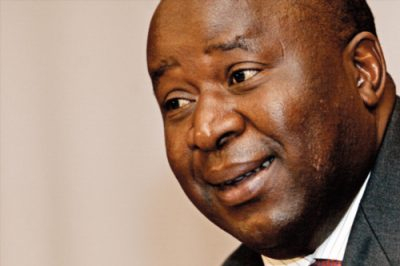
File Photo.
South African taxpayers should brace for the announcement of further tax hikes in Finance minister Tito Mboweni’s February budget speech, as the government grapples with a growing debt burden and revenue losses from the Covid-19 pandemic.
National Treasury has said that it plans to raise R40 billion through additional taxes over the next four financial years. R5 billion will be raised in 2021/22, R10 billion in 2022/23, R10 billion in 2023/24, and R15 billion in 2024/25.
In the medium-term budget policy statement (MTBPS) tabled in October, Finance minister Tito Mboweni said that tax collections for the current financial year would miss targets by a further R8.7 billion, bringing total gross tax revenue to R312.8 billion below the February 2020 Budget forecast.
There are several factors affecting revenue collection in the current financial year including, among others:
- A decline in personal income tax due to lockdown;
- Restrictions on tobacco and alcohol sales; and
- Reduced VAT as a result of sharp decline in consumption.
Analysts and economists have said that any new or increased tax measures will likely fall on the wealthy. Other taxes that have been mentioned have been an increase to VAT, implementing a once-off ‘solidarity tax’, and ‘inheritance taxes’.
Meanwhile the additional R40 billion that Treasury plans to raise over the coming years likely does not include any additional spending on procurement for a Covid-19 vaccine.
This week, Treasury said it is looking at a number of available options to raise money to pay for South Africa’s Covid-19 vaccines, including a possible tax hike.
Treasury director-general Dondo Mogajane said that South Africa typically gets money from two sources – taxes and borrowing from the market.
“None of the two options are ideal as you can imagine. However, at this point in time, we are facing a pandemic and the president confirmed that we will do anything possible to ensure we find the money,” he said.
Mogajane said that the reprioritisation of existing budgets was one option; a second option was to borrow more and increasing the deficit. The third option was taxing citizens to make up the shortfall.
He said that an official decision will be communicated in Finance minister Tito Mboweni’s budget on 24 February, and will be detailed thoroughly to indicate where the money comes from.