
By Nqobile Dludla and Kopano Gumbi.
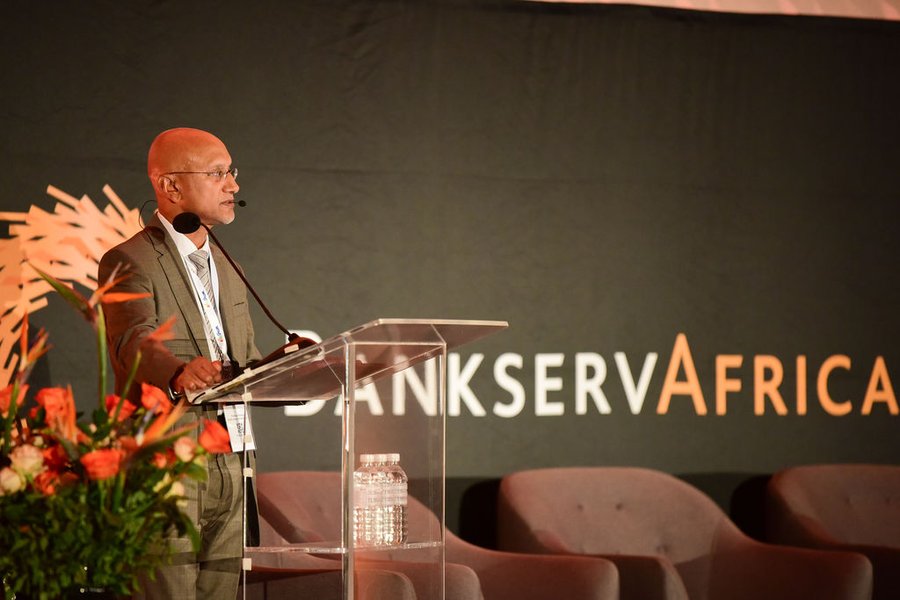
Caption: Pradeep Maharaj, executive director of SARB’s Payments Ecosystem Modernisation (PEM) programme, Image:PayInc.
South Africa will open its payments system to non-bank operators, including telecoms firms, fintechs and retailers, from mid-2027, a central bank official said on Friday, as part of a major overhaul of the system.
The change would end banks’ longstanding dominance of South Africa’s payments processing market, allowing non-bank firms to connect directly to the national payments infrastructure, which clears and settles payments nationwide, rather than relying on banks as intermediaries.
The South African Reserve Bank (SARB) hopes the reform will spur competition, lower costs, broaden access to digital financial services and encourage innovation in a sector increasingly challenged by fintech companies and mobile-money providers such as MTN.
Pradeep Maharaj, executive director of SARB’s Payments Ecosystem Modernisation (PEM) programme, told a media roundtable that rules governing payment activities and exemptions would be published by November. Non-bank participants are expected to go live around March 2027 following licensing, allowing time for testing and systems integration ahead of a mid-year launch.
The reform is a key pillar of the central bank’s PEM programme, which aims to reduce reliance on cash and accelerate the adoption of affordable digital payments.
SARB plans to modernise payment infrastructure, increase adoption of fast-payment services like PayShap and strengthen security and digital identity verification.
Maharaj said the changes should lower transaction costs for small businesses and consumers and reduce cash dependency, while giving unbanked and underserved consumers wider access to digital payments.
As part of the wider modernisation effort, SARB has also proposed creating a national cash utility, a central bank-owned cash handling company, and introducing “white-label” ATMs operated as shared infrastructure rather than by individual banks, in a bid to lower cash-handling costs and preserve access to cash, particularly in rural and underserved areas.
Maharaj said SARB expects to migrate its cash centres into the new cash utility in 2027 and begin incorporating industry-owned centres, which will be bought by the utility, by the end of next year.
He added that a white-label ATM pilot would be launched in January, with the first batch of machines set to be rolled out nationwide by the end of next year.