
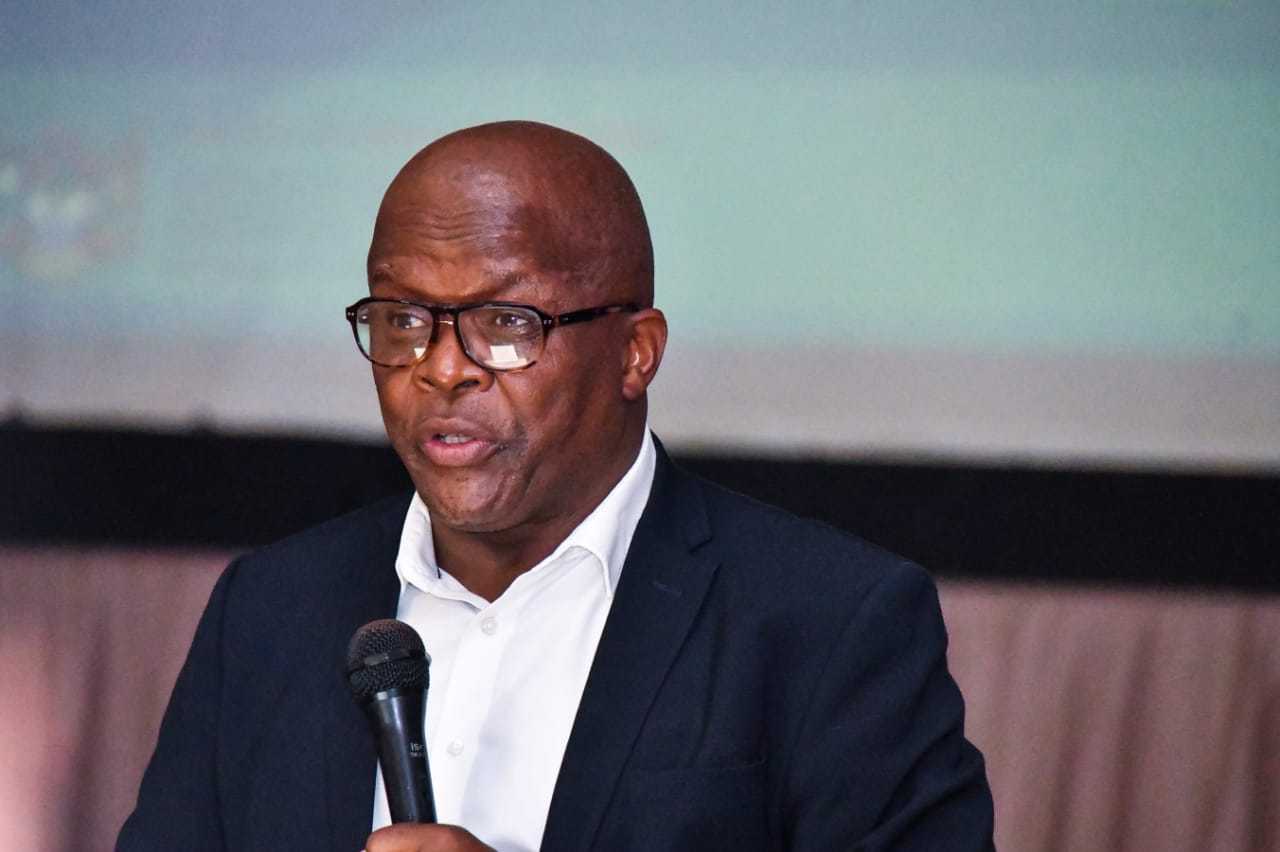
By Lehlohonolo Lehana.
The Department of Communications and Digital Technologies (DCDT) has published the South African Broadcasting Corporation Bill, 2023 (SABC Bill).
The bill was approved by Cabinet this past week and will soon be making its way to parliament for processing.
SABC has been battling cashflow challenges in recent years amid an increasingly competitive broadcasting space in the digital era.
“Once passed into law, the Bill will result in the repeal of the current Broadcasting Act, 1999 (Act 4 of 1999). The amendments will strengthen the efficiency of the operations of the public broadcaster.”
“The Bill further proposes reforms in the SABC’s funding model and the TV-licensing system,” Cabinet’s statement read.
The SABC reported a massive loss of R1.1 billion for the 2022/23 financial year as advertising revenues tanked and the vast majority of South Africans continued to ignore the TV Licence requirements.
Only 3% of the SABC’s funding comes directly from the fiscus, about 16% comes from TV licences and the rest, some 80%, is entirely dependent on advertising.
The SOS Coalition and Media Monitoring Africa (MMA) has criticised the bill, saying it doubles down on the cross-subsidisation model with clear sinister intent — to claw back state control of the SABC.
It is envisaged that the SABC’s public commercial services, eg, SABC 3, Metro FM, 5FM, will be hived off into a subsidiary company with its own board of directors. And it is this entity that is expected to generate money to cross-subsidise the SABC’s public operations.
MMA says it is not clear why the department thinks that creating a company will fix a model that has never worked.
It is estimated that over 9 million South Africans owe upwards of R44 billion in unpaid licence fees – which the SABC is unlikely to ever see.
Thus, funding is one of the most critical areas of the SABC’s model that has failed – and something the new SABC Bill aims to address.
However, the bill has effectively kicked that can further down the road by not laying out any specific changes or proposals.
The SABC Bill also allows for massive ministerial incursions into the operations of the SABC proper, the kind of incursions that courts has already ruled are not consistent with an independent public broadcaster whose operations are controlled by an independent board.
For example, the minister is to have:
- Powers to expand the functions of the SABC, provided these are consistent with the charter;
- It appears, powers to remove a member of the board provided the removal is not related to broadcasting or selecting, commissioning or producing particular content;
- The power to appoint a person to investigate the financial affairs of the SABC if the minister believes funds of the SABC have been mismanaged, and the power to intervene and direct the SABC to take any action if the SABC is in financial difficulty — clearly a blank cheque for wholesale intervention;
- Veto powers over the appointment of an interim board; and
- Veto powers over the remuneration of the executive directors of the SABC, i.e., the CEO and the CFO.
In short, MMA says instead of protecting the SABC from political interference, the Bill seeks to empower the minister to interfere in ways that directly undermine its independence. The lesson that ministerial interference in the running of an independent entity leads to disaster seems to be clear to everyone but the ministry.