
Staff Reporter.
South Africa’s hydrogen corridor, which has been declared a strategic integrated project, will create 14 000 jobs and consume 63 000 oz of platinum,Anglo American Platinum CEO Natascha Viljoen told MiningWeekly.
This hydrogen space is an exploding space and a really interesting space,” said Viljoen, whose comments followed the JSE-listed company’s presentation of 2022 financial results, which reported a contribution of R131-billion to society in the 12 months to December 31.
Viljoen, in reference to the global uptake of hydrogen as a future clean universal energy source, said that it is important for South Africa as an economy to keep up to date with developments across the globe.
The hydrogen corridor forms part of South Africa’s Hydrogen Society Roadmap, originally published in February 2022 by the South African Department of Science and Innovation.
International legal firm Baker McKenzie said that the hydrogen corridor – as part of the overall Hydrogen Valley project – aims to link the Anglo-American Mokopane Platinum Mine to Johannesburg and Durban.
It further identifies nine hydrogen-related industrial, construction and transport projects that could be used to kick start the Hydrogen Valley project that seeks to introduce South Africa into the green hydrogen economy.
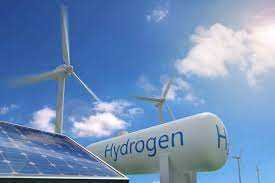
Green hydrogen refers to a form of hydrogen fuel that is created using electrolysis powered by renewable energy sources such as wind or solar power.
This renewable energy source is widely regarded as a clean and sustainable alternative that can be used in various settings, such as powering vehicles or providing backup electricity for the grid.
Viljoen added that the hydrogen corridor project would consume a total of 1.78 tonnes of platinum.
Platinum group metals are important to the new hydrogen economy as they are required for energy generation, international combustion got hydrogen vehicles and lowering the weight of batteries.
Under South Africa’s Just Energy Transition, vast amounts of investment are streaming into the country to develop its green hydrogen prospects in light of the country’s ideal geography for wind and solar.
Green hydrogen is increasingly in demand due to the growing need for clean energy solutions to combat climate change and reduce carbon emissions.
South Africa’s Just Energy Transition to shift the country away from relying on fossil fuels has raised the eyebrows of labour unions at large for threatening the job security of current mine workers.
Within the transitions framework, it makes mention of its aim to prioritise the mitigation of the negative impacts of transitioning to a low-carbon economy by adjusting the workforce – through training and support.
Late last year, the renewable energy developer Enel warned that despite the prospects of solar and wind in terms of employment, there is a massive skills deficit.
The group: “The renewable energy industry needs electrical engineers, operations and maintenance managers and mechanical technicians. Skills in manufacturing, assembly and installation are also required.
Compiled by Lehlohonolo Lehana.