
By Paul Burkhardt.
Sasol plans to grow its gas business as part of a new strategy after the fuel and chemicals producer booked R56.7 billion ($3.2 billion) of impairments on its US and South African operations, triggering its first loss since 2020.
The writedown is Sasol’s biggest since that same year, when it last reported a loss and took R112 billion of charges, primarily from its US chemical assets.
For the year ended June 30, Sasol’s loss was R44.3 billion compared with profit of R8.8 billion a year earlier, the Johannesburg-based company said in a statement Tuesday. The loss, coupled with “elevated” net debt of $4.1 billion, prompted a revision in the company’s dividend policy, with the result that there is no final payout for 2024.
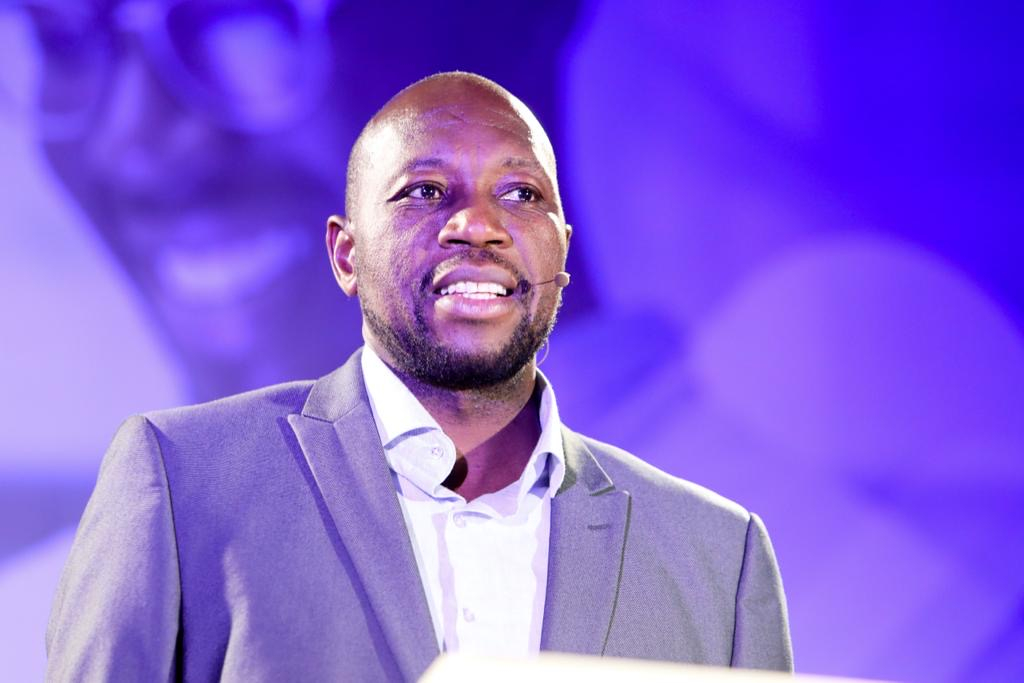
Chief executive officer Simon Baloyi, who took over the role in April, has changed the company strategy to focus on natural gas. Sasol plans to leverage growth by exploring options to extend gas supply to more than 300 customers in South Africa and generate electricity with the fuel, according to its results presentation. While previous CEO Fleetwood Grobler found liquefied natural gas imports to be too expensive, Baloyi plans to use such supply.
Sasol is South Africa’s second-biggest emitter of greenhouse gases and under growing pressure to reduce pollution caused largely by its coal-based manufacturing processes. It has announced plans to reduce the group’s emissions 30% by 2030, and plans to do this by cutting use of 40 million tons of the dirtiest fossil fuel annually, replacing it with natural gas and lining up renewable energy and clean power solutions.
Sasol needs a larger shift by 2050, when it plans to reach net zero emissions. Grobler outlined plans to utilise green hydrogen — a developing technology that burns without generating climate-warming greenhouse gases and is produced by splitting water using renewable energy — which remains prohibitively expensive. Sasol’s project at Boegoebaai, a rugged and undeveloped area on South Africa’s west coast, has had few updates since the company first announced it in 2021.
The company has 750 megawatts of contracts signed for renewable energy supply, according to the presentation. It aims to utilise 1 200 megawatts of clean energy at South African operations by 2030. The country’s grid is facing a shortage of connections to add the green projects.
Sasol’s 2024 impairment was dominated by a R46 billion writedown of its Sasol’s Chemicals America ethane value chain due to “prolonged softer market pricing,” it said.
The volatility of the chemicals business adds to a legacy of Sasol’s $12.8 billion Lake Charles chemicals facility in Louisiana, designed to expand its operational footprint abroad. The facility suffered from mismanagement issues and cost overruns before its completion at the end of 2020.