
By William Clowes.
Sibanye Stillwater’s first-half loss narrowed as asset writedowns were partly offset by higher profits from its precious metals mines in South Africa.
The company, based near Johannesburg, posted a loss of R3.6 billion ($194 million) in the six months through June. Sibanye took impairments totaling R9.7 billion on the Keliber lithium project in Finland and the firm’s US platinum-group metal operations.
Sibanye, which has diversified away from its original dependence on South African gold mines to invest in PGMs, lithium and nickel, was unable to fully take advantage of gold’s record-breaking rally. Output from its aging gold operations fell 13%, mainly due to challenges at its Kloof mine.
At the same time, it took a R5.3 billion impairment at Keliber, which Sibanye said related to “a decrease in the long-term forecast lithium hydroxide price.” While the company expects to complete the project for producing the key ingredient for electric-vehicle batteries next year, it’s still assessing when to commission the new assets.
The other major writedown of R3.8 billion related to the decision by President Donald Trump’s administration to phase out credits received by Sibanye’s PGM operations in the US. Those mines have been unprofitable in recent years, forcing the company to cut costs and slash output targets.
Sibanye shares fell as much as 4.9%, after more than doubling in value this year.
Headline earnings, which strip out some one-time items, rose almost 20-fold to R5.4 billion from a year earlier.
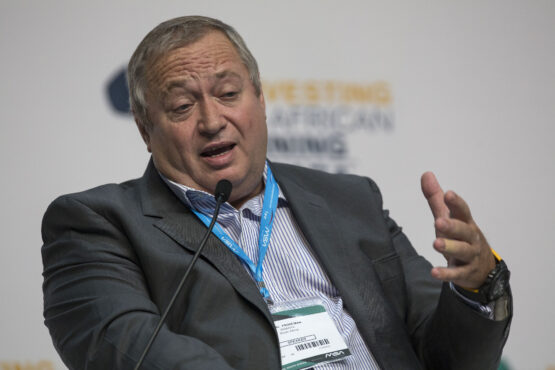
This is Sibanye’s last set of results with founding CEO Neal Froneman at the helm, and one suspects he would have liked to pay a dividend as a parting gift. But the global economic and geo-political outlook has seldom looked more uncertain.