
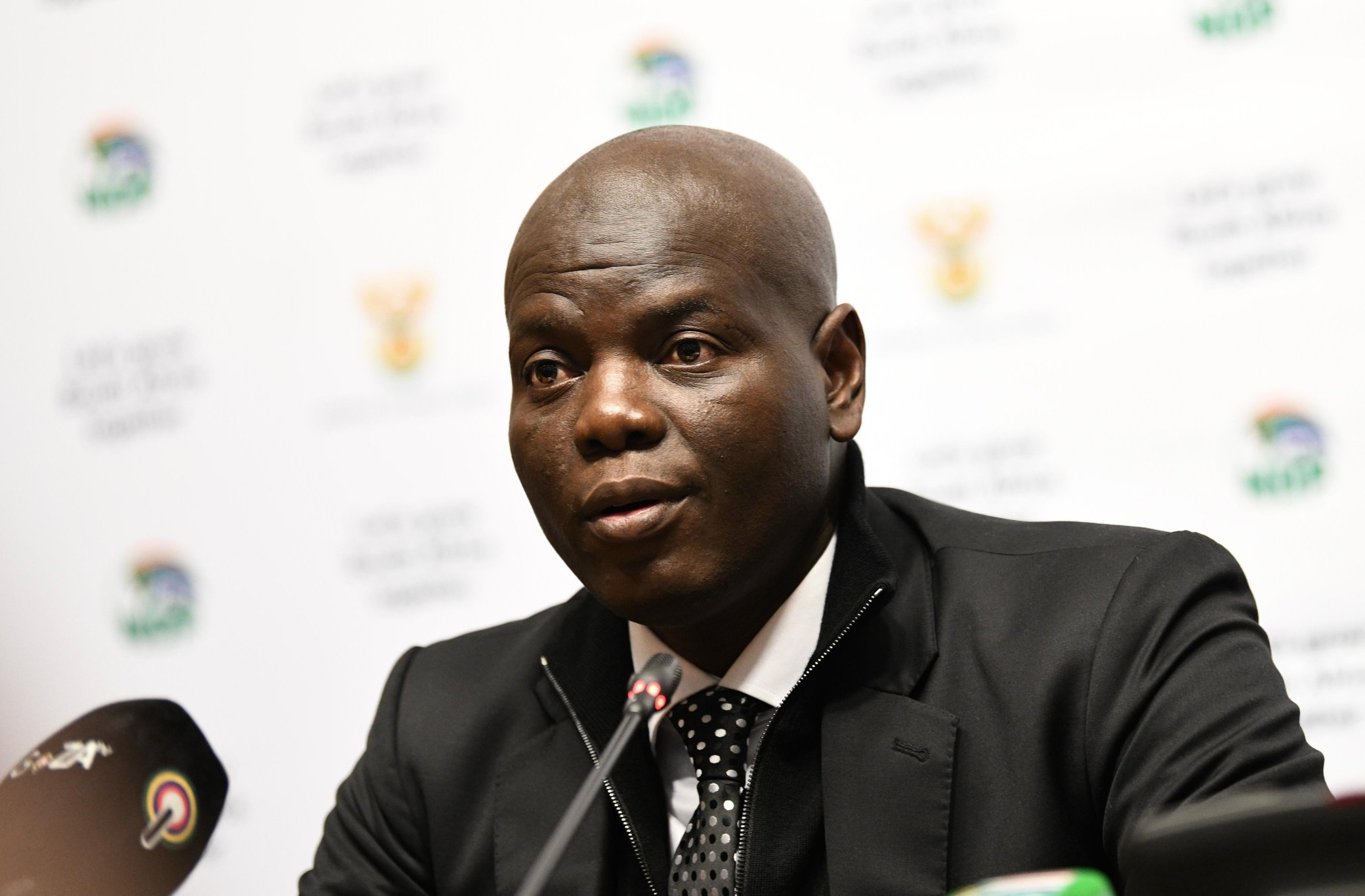
By Lehlohonolo Lehana.
South Africa on Monday has condemned Israel’s recognition of Somaliland, warning that it threatens Somalia’s sovereignty and the regional stability.
Muslim-majority Somaliland proclaimed independence from Somalia in 1991, but has failed to win international recognition for its sovereignty.
While Somalia has grappled with three decades of civil war and an entrenched Islamist insurgency, the breakaway region has been mostly peaceful.
Mogadishu refuses to recognize Somaliland as an independent state, considers it an integral part of its territory, and views any direct deals or engagement with it as a violation of the country’s sovereignty and unity.
In a statement, Department of International Relations minister Ronald Lamola said the recognition violates Somalia’s sovereignty and territorial integrity.
“Israel’s action validates fragmentation and risks a domino effect of instability,” Lamola stressed.
The minister said it distinguishes “unequivocally” between decolonization and secession, adding: “The former restores sovereignty; the latter dismantles it.”
Lamola further explained that South Africa upholds the African Union’s principle of uti possidetis, which calls for respecting the borders inherited at independence to safeguard against conflict, and urged the international community to reject Tel Aviv’s “external interference and support a united, stable Somalia.
Israel became the world’s first country to recognize Somaliland as a sovereign state, drawing condemnation from Türkiye, a close ally of Somalia, and countries in Africa and the Middle East, among others.
Saudi Arabia rejected Netanyahu’s recognition of Somaliland, calling the step “a unilateral secessionist movement that violates international law,” the state-run Saudi Press Agency said.
Turkey took a similar stance, with the foreign ministry saying Israel’s decision is “yet another example of the Netanyahu government’s unlawful actions aimed at creating instability at the regional and global levels, “in a post on X.