
By Lehlohonolo Lehana.
South Africa is going to increase its financial contribution to the Ebola response effort to US$13.5 million, reaffirming the country’s commitment to supporting African nations affected by the outbreak.
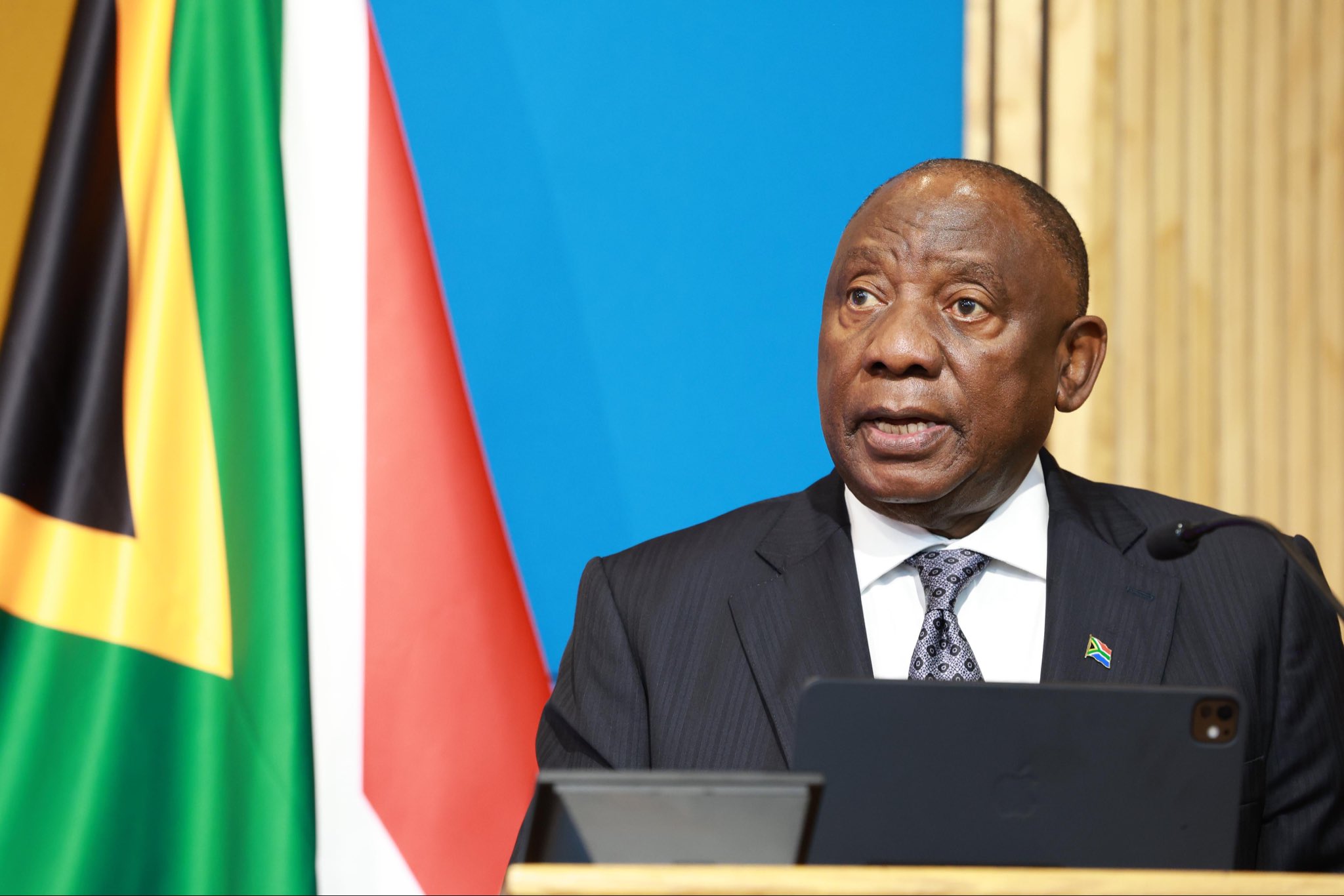
The announcement was made on Tuesday, by president Cyril Ramaphosa during a High-Level Virtual Meeting of Heads of State, Government and Partners on the Ebola outbreak.
The meeting was convened by the President of the Republic of Burundi and Chairperson of the African Union, Evariste Ndayishimiye.
It aims to mobilise African and international solidarity to contain the Ebola outbreak caused by the Bundibugyo virus strain in the Democratic Republic of the Congo (DRC) and Uganda, while strengthening preparedness in countries at risk of regional transmission.
Ramaphosa cautioned that public health measures are being undermined by the volatile environment in which the response is being carried out.
“As political leaders, we can help by creating safe corridors for the passage of goods and services. We must seek a ceasefire to allow the Ebola response to proceed unhindered.”
“We must continue to strengthen cross-border collaboration. We must expand rapid diagnostic testing, contact tracing and community awareness.”
While welcoming and fully supporting the efforts of GAVI, CEPI and others, Ramaphosa stressed that Africa cannot depend indefinitely on external markets and production systems during health emergencies.
“As African leaders, we must accelerate investment in local manufacturing, strengthen the African Medicines Agency and operationalise the African Pooled Procurement Mechanism,” Ramaphosa said.
He added that African manufacturers need predictable markets, while African countries must have reliable access to lifesaving products during emergencies.
“We must all take heed of Africa’s Centres for Disease Control and Prevention (Africa CDC) stance against imposing blanket and unsubstantiated travel bans.” I call upon African financial institutions, development banks, philanthropies and the African private sector to join governments in this effort.”