
By Lehlohonolo Lehana.
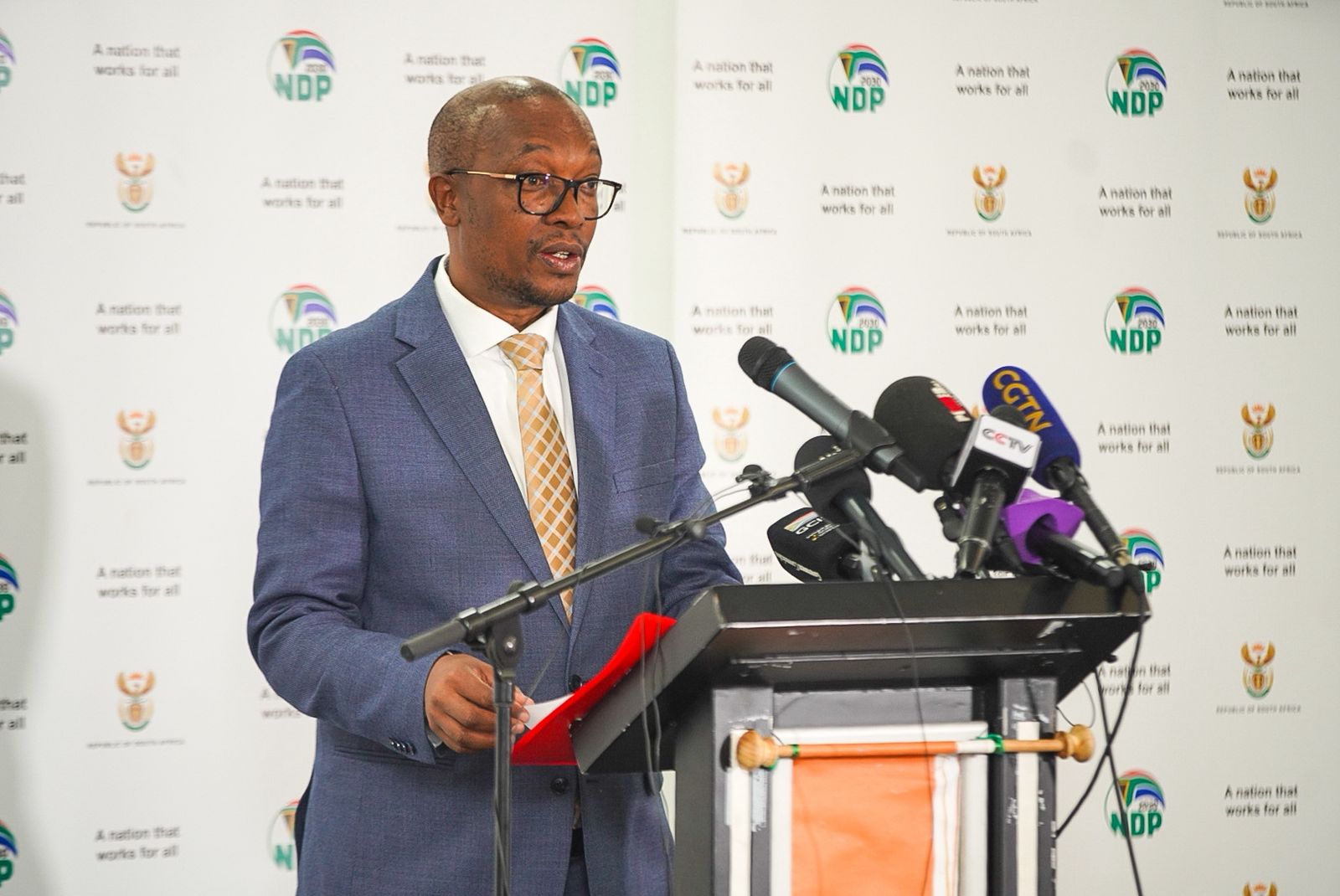
The Minister of Trade, Industry and Competition, Parks Tau says he is encouraged by the findings of a comprehensive study conducted by the World Bank on the country’s Special Economic Zones (SEZ) Programme.
The World Bank study findings confirm that South Africa has the infrastructure, legal framework, and institutional capacity to build a world-class SEZ programme.
Further, the study draws on surveys from all 12 SEZs nationwide, interviews with provincial government representatives and SEZ businesses, administrative data from the Department of Trade, Industry and Competition (dtic),South African Revenue Service (SARS), National Treasury and international case studies from India, China, Poland, the United Arab Emirates and Jordan.
“As government, we are encouraged by the outcomes of this study. It has confirmed the impressive progress that we have achieved in the roll-out of the programme, as well as the hugely positive impact it has made on the economy of the country in general, and the provinces where they are located, in particular.”
“The fact that revenue of R14.8-billion has been generated by the SEZs that are operational, and more than 30 000 jobs have been created, speaks volumes of the capacity and potential of the programme to contribute immensely to the country’s economic growth, transformation and industralisation,” Tau says.
Tau said the department will critically look into the recommendations of the study with the aim of expanding the programme and increasing its impact.
Some of the report recommendations include establishing a formal five-year intervention framework for underperforming zones, extending a 15% corporate income tax rate to all SEZs and designating private-sector industrial parks within all SEZs using the Dube TradePort model.
Other recommendations include fomalising service-level agreements across the network, accelerating build-to-let mixed-use complexes to attract small and medium-sized enterprise tenants and formalising the SEZ fund with distinct infrastructure and top-structure pathways.
“We have already designed various interventions that we have prioritised for this financial year, some of which are in line with the recommendations of the study.”