
By Matthew Hill.
Activists dismissed a last-minute declaration agreed by Group of 20 finance chiefs led by South Africa in Washington on tackling the growing sovereign-debt crisis as too timid to make a difference.
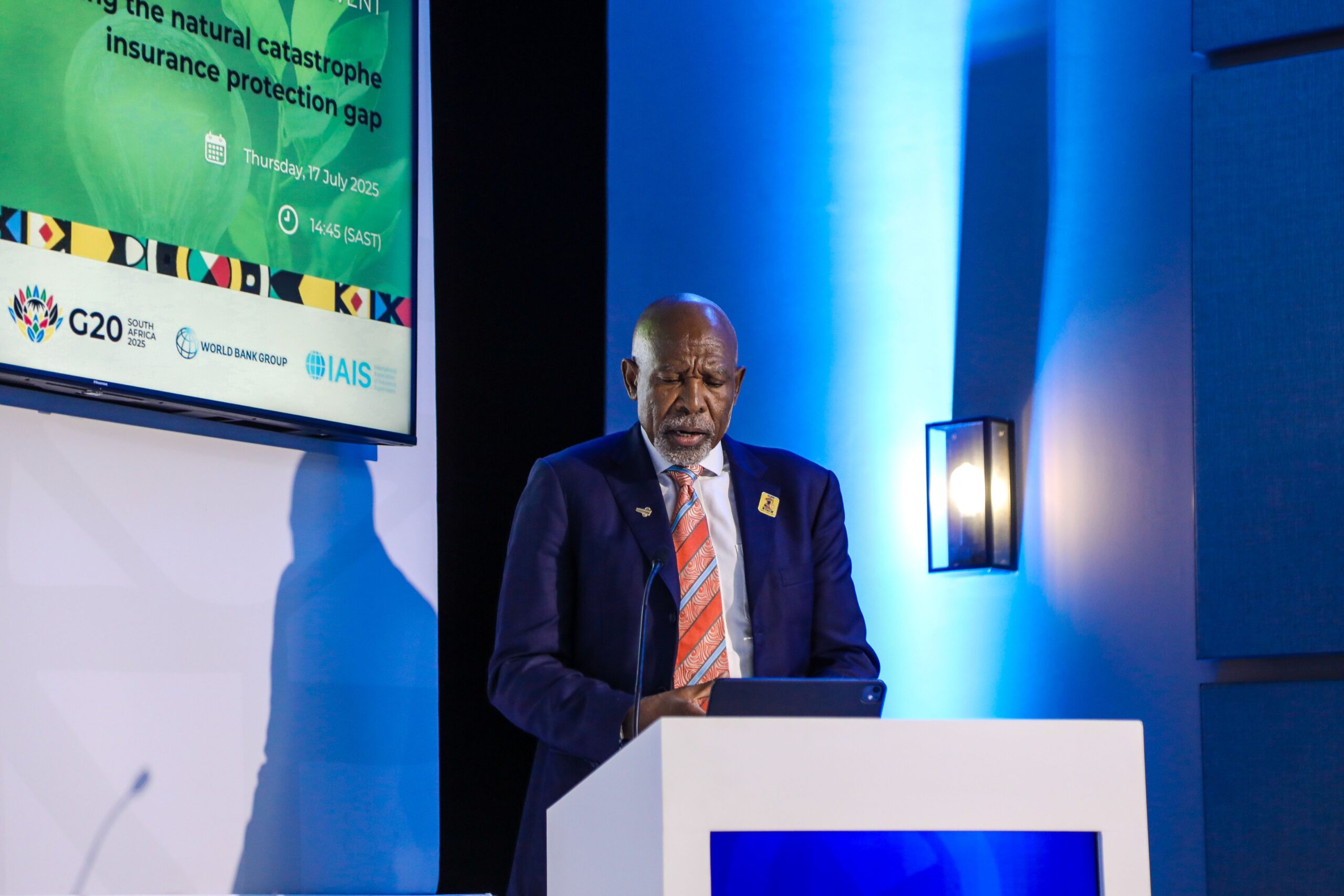
The statement – finalised by G20 finance ministers and central bank chiefs barely an hour before midnight on Wednesday after what South African Reserve Bank Governor Lesetja Kganyago described as “touch-and-go” talks – commits to improving the Common Framework for debt relief, enhancing coordination among creditors, and boosting transparency, particularly among private lenders.
The European Network on Debt and Development described the measures as “inadequate and unambitious”.
Sara Harcourt, senior policy director at the ONE Campaign, said that “for an African-hosted G20, the ministerial declaration on debt is woefully insufficient to meet the needs of African countries who are having to choose between paying their debts or paying teachers and nurses”.
She added that “urgent and effective action” is needed to reduce debt burdens and borrowing costs so nations can invest in their people and economies.
According to the United Nations more than 40% of African countries devote a bigger share of their budgets to debt-servicing than to health. Governments including those in Zambia, Ghana, and Ethiopia have already sought debt relief.
Kganyago said in an interview on the sidelines of the International Monetary Fund’s annual meetings that the declaration had to be realistic.
“Sometimes you would have people who say it’s not enough because people are basically looking for a write-off, which is something that you are not going to be able to do, “he said.
Especially where you also have private debt that is involved, and it is private debt that is held by pension funds.”
He pointed to the difficulties in getting member states to even agree on the wording of the statement, given the tensions.
“You have got creditors and debtors,” Kganyago said. “Creditors want to be paid and debtors say that they can’t afford to pay, and therefore you should be forgiving my debt. And that is the contest.”
© 2025 Bloomberg L.P.