
By Estea Rademeyer, Sports Journalist.
Photo Credit: World Rugby.
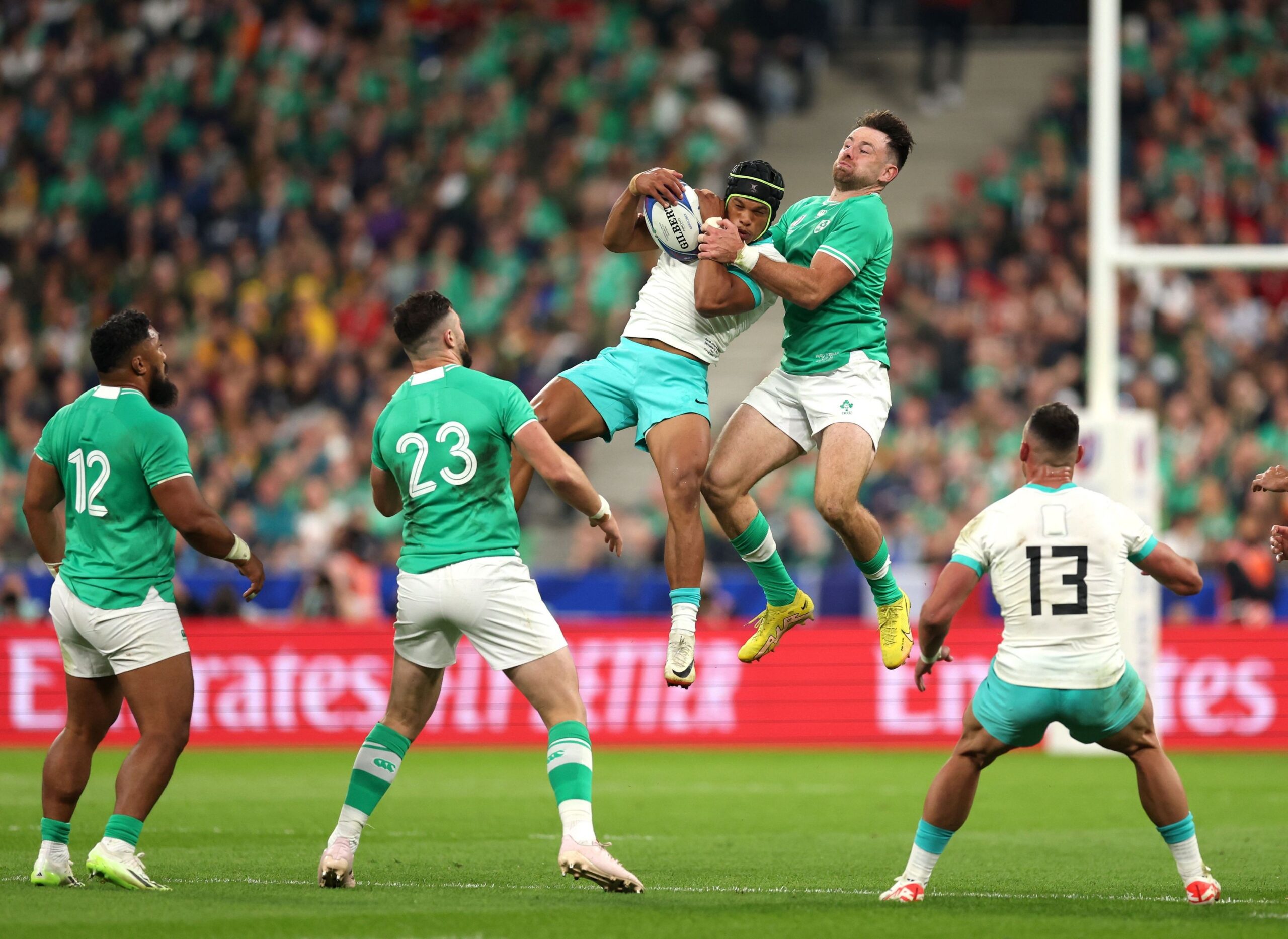
The Springboks will play for the Nations Championship title at Twickenham next Sunday, but their 20–17 defeat to Ireland in Dublin has left them with considerably more questions than answers.
South Africa secured their place in the final through the losing bonus point earned at the Aviva Stadium.
It was enough to take them level with New Zealand on 22 points and send them through on points difference. It was not, however, a performance that suggested a team approaching its best form.
Ireland were the better side for long periods, particularly before half-time. They scored three tries, controlled the territory and possession battle and found ways to trouble a Springbok defence that has usually been the foundation of their success.
The defeat was South Africa’s fourth of the season and their second in succession after losing 21–19 to France in Paris. More troubling is the growing sense that opponents have worked out how to disrupt their approach.
The Springboks have leaned heavily on their scrum and kicking game. Both remain important weapons, but against Ireland the plan became too predictable.
South Africa kicked frequently without consistently regaining possession, struggled to impose themselves at the breakdown and failed to make enough of their attacking opportunities.
Ireland, meanwhile, were more composed with ball in hand. They moved the ball into space, used their runners intelligently and punished defensive lapses.
Rob Baloucoune scored twice, while hooker Rónan Kelleher added a third try from a well executed lineout move.
South Africa’s first half was particularly poor. Morné van den Berg’s try from a dominant scrum briefly brought the scores level at 10–10, but an offside penalty against Canan Moodie after the restart gave Ireland the opportunity to respond. Kelleher took it, leaving the visitors seven points behind at the break.
The Springboks showed more urgency after half-time. Moodie looked to have scored early in the second period, only for the try to be ruled out when his foot touched the sideline.
Malcolm Marx eventually crossed after South Africa put together their best attacking movement of the night, but the comeback fell short.
Captain Siya Kolisi was disappointed, but did not question the commitment of his players. His concern was that effort alone was not translating into the level of performance expected from the world champions.
“The effort is there, but it’s still not good enough. We’re not playing to our potential, and we need to fix that going into next week,” Kolisi said.
“We play for our country, and we never promise that we are going to win every game, but we know as a group we can definitely be better. I don’t question the boys’ effort or mindset, or their desire to win, it’s about finding the solutions to perform better and executing what we plan well.”
Kolisi also acknowledged that the Springboks had failed to deliver in two areas that usually define their game.
“Today we had a good plan in the kicking game and we didn’t execute it, and on defence, we didn’t dominate as much as we normally do. They also got opportunities close to the line, which they took and we didn’t, which in the past we would normally take, so there are many things we can improve on.”
Discipline was another recurring problem. Ireland were repeatedly given opportunities to enter the Springbok half through penalties, and they converted that territory into points.
Scrumhalf Grant Williams said the squad would need to take collective responsibility rather than focus on individual errors. “We just have to take a hard look at ourselves , everyone, one to 23, and make sure that we are better this coming week, because we know a final is really important,” he said.
“It’s hard to judge now, but we’ll have a look at the game and fix it. A bit of discipline was an issue. They got into our half with stupid penalties and they converted.”
Assistant coach Felix Jones also pointed to discipline and missed opportunities close to the tryline as decisive factors. “When you give a team like Ireland penalty after penalty, they’ll punish you, and they did exactly that,” Jones said. “There were moments we had opportunities close to the line, and in the past we would have converted them, so we need to be more clinical in those areas. The plan was good, but the execution let us down at critical moments, and that will be key going into next week.”
The Springboks also had to deal with two significant backline changes. Damian Willemse left the field in the 25th minute with an ankle injury, forcing Kurt-Lee Arendse to move to fullback.
Damian de Allende came off in the 63rd minute, with Ethan Hooker shifting into midfield.
Jones said the changes inevitably affected cohesion, particularly after South Africa opted for a six-two split on the bench. “When Damian Willemse goes down with an ankle, obviously you have to rejig,” he said. “Then you have Damian de Allende going down and having to come off, and now there’s another rejig.”
“When you go 6-2, there’s that risk element of that. You try and mitigate that risk by training it and having players who can cover multiple positions. Many times it’s worked for us and it’s not been an issue. I don’t think it was a massive issue, but certainly it stresses the cohesion when that happens.”
Willemse’s ankle injury was the main concern ahead of the final. Jones said the fullback was walking and not wearing a boot, but a proper assessment would be needed before his availability could be determined.
South Africa have now lost successive Tests for the first time since November 2022. Jones did not believe the demanding season was responsible, pointing to the preparation and squad rotation that had been built into the campaign.
The immediate challenge is France. Les Bleus beat Argentina 45–17 in Paris to secure top spot in the northern hemisphere standings and book their place in the final. They also arrive with the confidence of having beaten South Africa 21–19 a week earlier.
For the Springboks, the margin for improvement is clear. They need to be more disciplined, more clinical when opportunities come and less dependent on winning the same contests in the same way. Their scrum can still provide a platform, but it cannot be the entire plan.
Kolisi was clear that the answer would have to come from the group. “The important thing is to stick together, and focus on the next game, because if we can win that one it gives us something to build on. Most importantly, it’s about sticking together as a group and not pointing fingers,” said assistant coach Mzwandile Stick, echoing the captain’s message.
The final offers South Africa an immediate chance to respond. But France will not be concerned with the Springboks’ reputation or their route into the match. They will test the same weaknesses Ireland exposed. The champions now have a week to show they have found better answers.