
By Kevin Rademeyer.
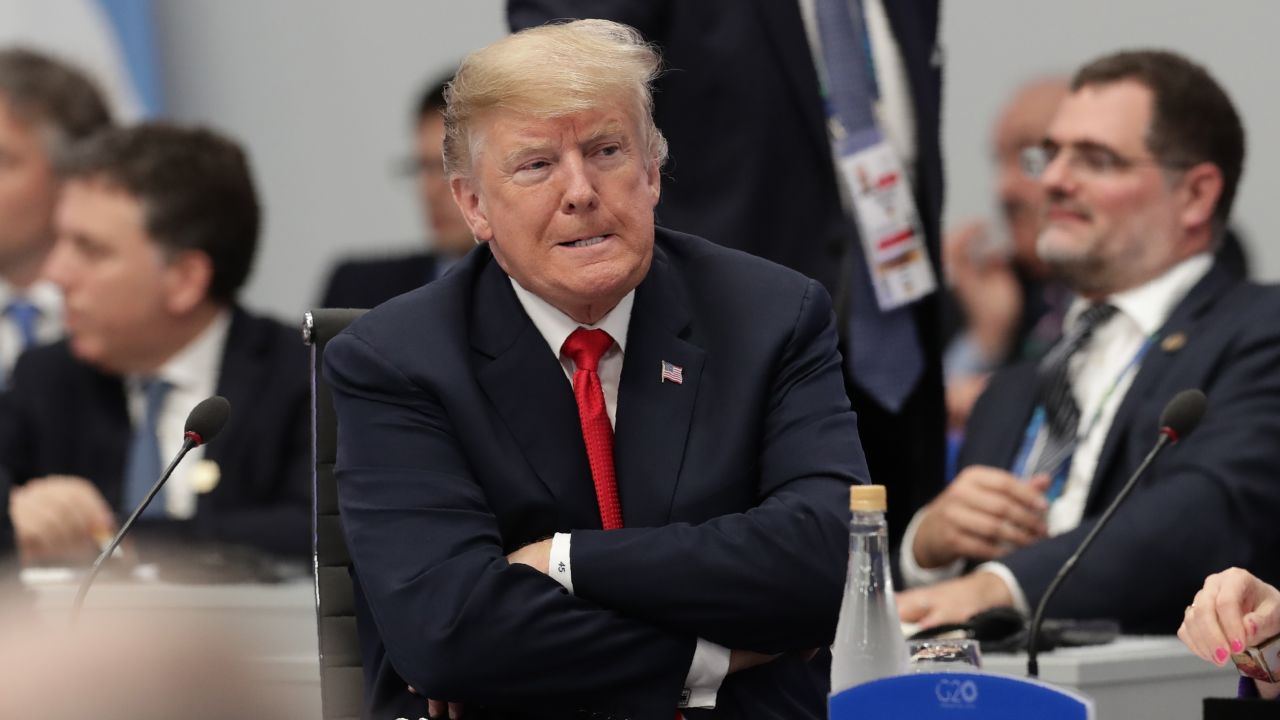
The United States has confirmed President Donald Trump will not attend November’s Group of 20 leaders’ summit in South Africa, the first to be held on the African continent since the forum’s establishment in 1999.
The announcement, which ends weeks of speculation, underscores Washington’s growing estrangement from Pretoria while signalling a strategic pivot towards hosting duties in 2026.
Vice-President J.D. Vance will represent the United States at the Johannesburg gathering. Trump, speaking earlier this month, attributed his absence to “serious problems” with South African leadership, citing policy disputes and longstanding tensions. Relations between the two countries have deteriorated sharply, particularly since Pretoria initiated proceedings at the International Court of Justice in 2023 alleging that Israel’s actions in Gaza constituted genocide, a case Washington dismissed outright.
The rift widened further after Trump accused South Africa of pursuing “anti-white policies”, reviving incendiary claims of so-called “white genocide”. During a tense Oval Office meeting in May, the President confronted Cyril Ramaphosa with a video montage intended to support those allegations, which the South African leader firmly rejected. Pretoria has since denounced Washington’s stance as insensitive to the nation’s historical struggles with apartheid and colonialism.
At a ministerial-level G20 meeting held on the sidelines of the United Nations General Assembly last week, Washington delivered one of its sharpest rebukes of the forum in years.
Allison Hooker, under secretary of state for political affairs, criticised the G20 for “drifting” from its economic mission and becoming entangled in what she described as “every political wedge issue of the day”, from pandemic surveillance to gender-responsive budgeting.
“The G20 was created to foster resilience and stability in the global economy, not to produce lofty declarations that sit on a shelf, “Hooker told delegates, vowing that under US stewardship the forum would be streamlined, with fewer working groups and a renewed focus on measurable outcomes. Secretary of State Marco Rubio conspicuously boycotted the session, further signalling the administration’s disapproval of the South Africa-led agenda.
Trump, for his part, has made clear his administration’s priority lies in 2026, when the United States assumes the G20 presidency. The White House announced that the summit will be staged at the President’s golf resort in Doral, Florida. Officials stressed the event would be hosted “at cost” and without profit to the Trump Organisation, though questions over conflicts of interest remain.
Miami Mayor Francis Suarez welcomed the decision, predicting that hosting the summit would place the city “on the global map” and provide “a tremendous boom” to the local economy. The last US-hosted G20 was in Pittsburgh in 2009.
Despite Washington’s insistence on restoring the G20’s economic core, it has remained silent on the imminent expiry of the African Growth and Opportunity Act, a trade pact first signed in 2002 that grants 33 African countries preferential access to US markets. The lapse is expected to hit South Africa particularly hard, as the country has already faced a new round of American tariffs under Trump’s trade agenda.
Ramaphosa, speaking at Council on Foreign Relations in New York last week, voiced disappointment at Trump’s absence from the summit. “I had hoped that your President would attend,” he said. “He kept on enticing me with a promise that he will attend, but he doesn’t seem to be living up to it.”
The Johannesburg summit was intended as a milestone for Africa’s global standing, but the absence of the US President – and his administration’s withering critique of the forum – threatens to overshadow that achievement.
Instead, Washington is positioning 2026 as the year it will, in Trump’s words, “restore the G20 to its core mission” and place American priorities firmly at the centre of global economic diplomacy.