
By Lehlohonolo Lehana.
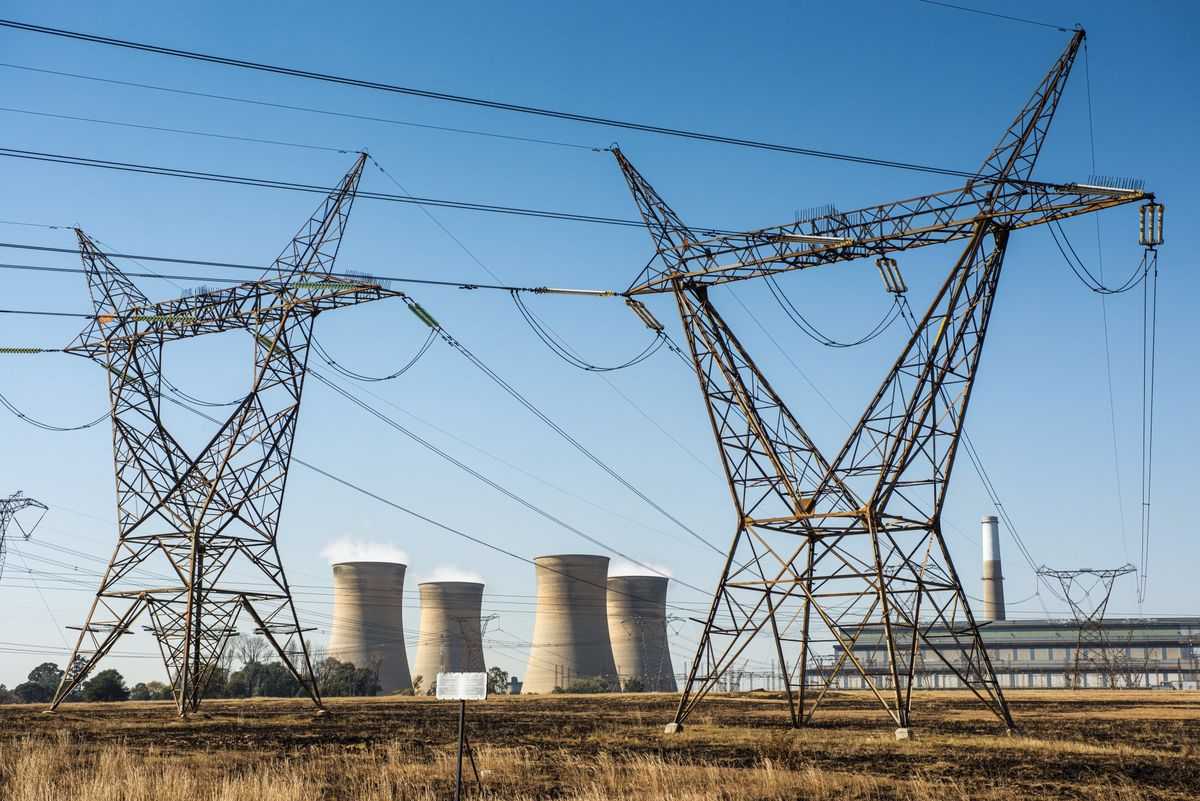
City of Tshwane approved a second report allowing it to proceed with the 40-year lease of its Rooiwal and Pretoria West power stations to independent power producers.
Executive mayor Cilliers Brink, said the approval of the report followed positive engagements with the public and other relevant stakeholders..
The plan is borne out of a need to reduce Tshwane’s dependence on Eskom and alleviate the burden of loadshedding.
“Today’s council approval is one of the six steps to get the two power stations running again. It marks a major milestone to move Tshwane closer to energy independence and stabilising electricity supply to communities,”Brink said.
In September last year, Tshwane’s council approved the public participation process for the proposed leasing of the power stations.
The city owns the two stations, which were historically used for generation of power for the city’s electrical needs before Eskom took over the function. This led to the stations producing little or minimum energy just to keep the stations functional.
However, the city is spending millions a year on salaries of staff employed at the two stations and for maintenance. Tshwane said Pretoria West, which has a total capacity to generate 180MW, was not producing any electricity while Rooiwal (300MW) was producing at least 60MW.
Brink said the revamping of the stations to bring them to their maximum functional level would require significant investment, which the city could not afford.
He said as part of Tshwane’s master energy plan, the city was working towards securing at least 1,000MW of alternative energy in the next three years.
Brink added that the appointment process of independent power producers would be transparent and fair.
“Tshwane residents should be proud of this progressive step because every time higher stages of load shedding hit us, it destroys our infrastructure, leads to prolonged outages and frustration, and creates opportunities for cable theft. That is why this project to move in a different direction is so important for our future,” said Brink.