
By Lehlohonolo Lehana.
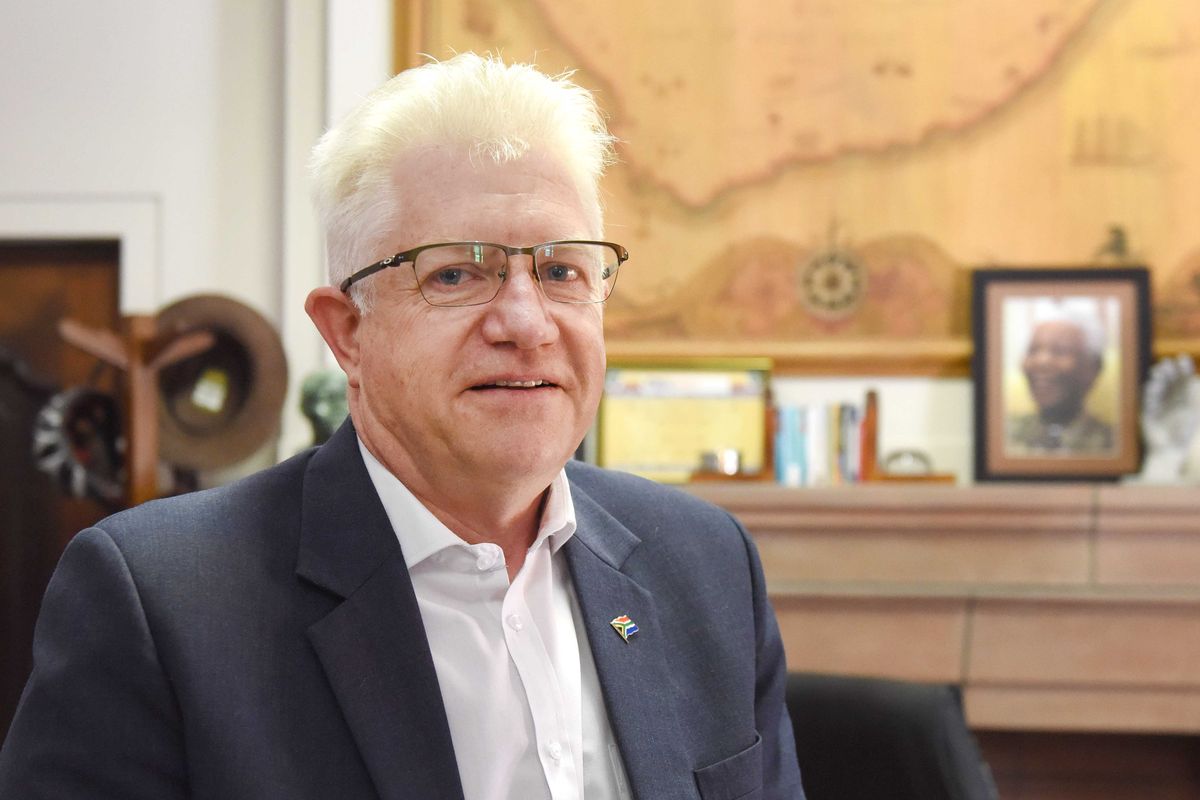
Western Cape Premier Alan Winde has urged municipalities in the province to keep striving for stable, good governance and improved service delivery.
Winde was chairing a meeting of the Premier’s Coordinating Forum (PCF), held in Stellenbosch.
The PCF is a consultative intergovernmental forum aimed at strengthening partnerships and relations between the Western Cape Government (WCG) and the province’s municipalities.
“It is vital that you demonstrate to the residents we serve that their money is being spent responsibly and transparently to improve their lives, particularly in the uncertain times we find ourselves in where we still do not have a tabled national budget,” he stressed.
The PCF was used to further unpack the Western Cape Government’s Provincial Strategic Plan (PSP) 2025-2030.
The PSP outlines high-level priorities and goals for the provincial government over the next 5 years to enhance residents’ quality of life.
The key elements of the PSP are:
- Growth For Jobs strategy – assisting businesses to help grow the economy and create more jobs.
- Safety – creating safer communities for residents and the economy to thrive.
- An educated, healthy and caring society – ensuring every resident has access to the opportunities they need to live healthy, meaningful and dignified lives in an inclusive society.
- Innovation, culture and governance – employing futures thinking, resident-centric delivery rooted in innovation, integration and collaboration.
The Premier said, “The objective of the PSP is helping businesses to grow so they can create jobs. Through this, we can help our residents to lead the lives they deserve and value.”
The Western Cape Government’s recently published 2023/24 Local Government Budget Performance Review which was tabled at the PCF.
Dr Keith Cloete, Head of the Western Cape Department of Health and Wellness, also gave a presentation on the impact of the sudden termination of funding by the United States Agency for International Development (USAID) to several non-governmental organisations (NGOs) in the Western Cape that have for years been working with the provincial government in addressing, primarily, HIV/AIDS and tuberculosis.
The funding cut threatens approximately 10 NGOs and nearly 700 jobs that were directly supported by USAID, amounting to a loss of around R360 million in healthcare funding for the province. Three districts in the province (City of Cape Town, Cape Winelands, West Coast) will be the hardest hit, said Cloete.
“The WCG will do everything it can to ensure that there is no interruption in healthcare services. To support those on ART, the WCG is implementing several measures, including multi-month dispensing for up to six months for stable patients, repeat prescription collection strategies, a 28-day grace period for late collections, automatic script renewals, planning for an ‘e-scripting’ initiative. Additionally, the WCG will rapidly scale up the ‘Make Every Contact Count’ strategy to strengthen HIV counselling services.”
The PCF resolved to closely monitor this issue and to explore options as to how to mitigate the impact of this move.
Winde added, “This government is determined to safeguard the progress we have made in fighting TB and HIV/AIDS. We will continue to work with our partners to find solutions and we call on the municipalities in our province to work with us as we respond.”