
By Kevin Rademeyer, Sports Journalist.
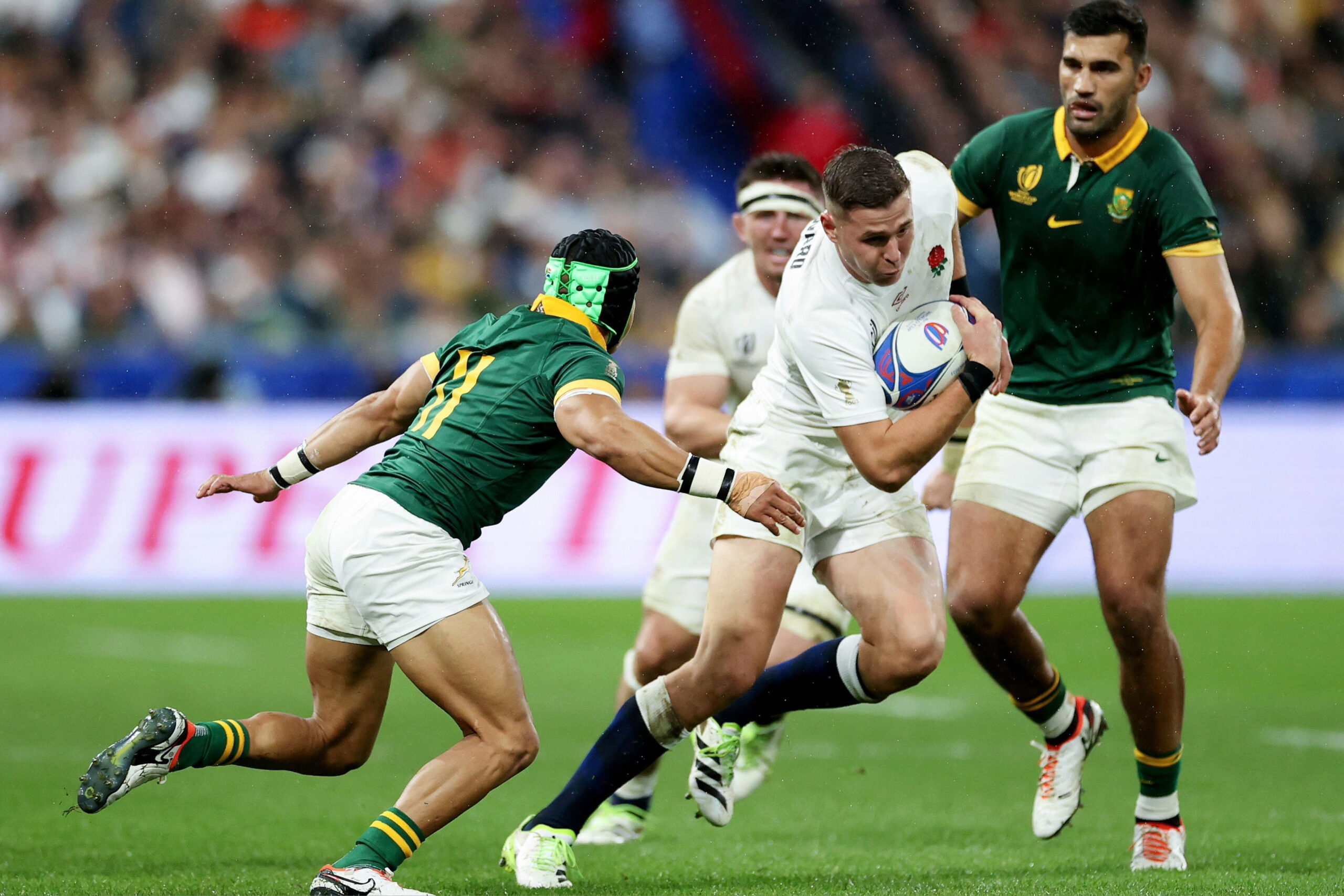
The Springboks begin their Nations Championship campaign against England at Ellis Park on 4 July carrying the tag of favourites. They are world champions, possess extraordinary squad depth and have built a winning identity under Rassie Erasmus that rarely wavers.
Yet England arrive in Johannesburg with enough talent and unpredictability to make South Africa uncomfortable. This is a fascinating contest because it pits rugby’s most settled international side against one that is still searching for its best version.
South Africa know exactly who they are. England are still figuring that out.
The Springboks’ greatest strength remains their ability to impose themselves physically. Their scrum, maul and collision work continue to provide the platform for everything else. Erasmus has spent years building depth throughout the squad and can rotate personnel without significantly weakening performance levels. That clarity is perhaps their biggest advantage. They know what they want to do, and they do it exceptionally well.
Every player understands the system. Every forward knows the demands of the role. Every back understands that defence is valued as highly as attack. Every opponent knows what is coming, but they struggle to stop it.
England’s strengths are slightly different.
Steve Borthwick’s squad combines youthful energy with experienced internationals. The emergence of players such as Henry Pollock has added dynamism to the back row, while established figures like Jamie George, Ellis Genge and George Ford provide leadership and composure.
England have also become more adaptable. They are capable of playing through multiple phases, kicking aggressively for territory or challenging opponents through aerial pressure. The problem is consistency.
At their best, England can trouble anyone. At their worst, they can drift away from their game plan and struggle to maintain pressure for eighty minutes. That inconsistency may be exposed at altitude.
One of the key tactical battles will revolve around the half backs. South Africa’s ability to control territory through tactical kicking has become one of their most effective weapons. England must prevent the Springboks from dictating field position or risk spending long periods defending inside their own half.
Another fascinating contest lies in the back row. Pollock has attracted significant attention after an outstanding domestic season. Erasmus was quick to praise the young flanker this week, describing his recent output as exceptional. The challenge for Pollock now is translating that form against arguably the most physical loose forward unit in world rugby.
South Africa will also look to exploit England’s set piece under pressure. The Springbok scrum has become a psychological weapon as much as a technical one. Even when penalties are not awarded, repeated dominance can alter decision making and force opponents away from their preferred style.
England’s best route to victory may be speed. If they can move the ball quickly, challenge South Africa’s defensive edges and avoid being dragged into an arm wrestle, they have the attacking talent to create opportunities. Players such as Tommy Freeman, Marcus Smith and Ollie Lawrence thrive when the game becomes less structured.
The concern for England is that South Africa rarely allow matches to unfold on those terms. Erasmus admitted this week that preparing for Borthwick’s side is difficult because England constantly evolve tactically. That uncertainty could work in England’s favour. The Springboks know they face a dangerous opponent, even if results and rankings suggest otherwise.
The opening Nations Championship fixture is unlikely to be decided by brilliance alone. More likely, it will come down to territory, discipline and the ability to win the physical exchanges. That has often been the formula when these sides meet.
England have enough quality to challenge. But if the game becomes a contest of collisions, set piece pressure and tactical control, South Africa will back themselves to prevail once again.