
By Lehlohonolo Lehana.
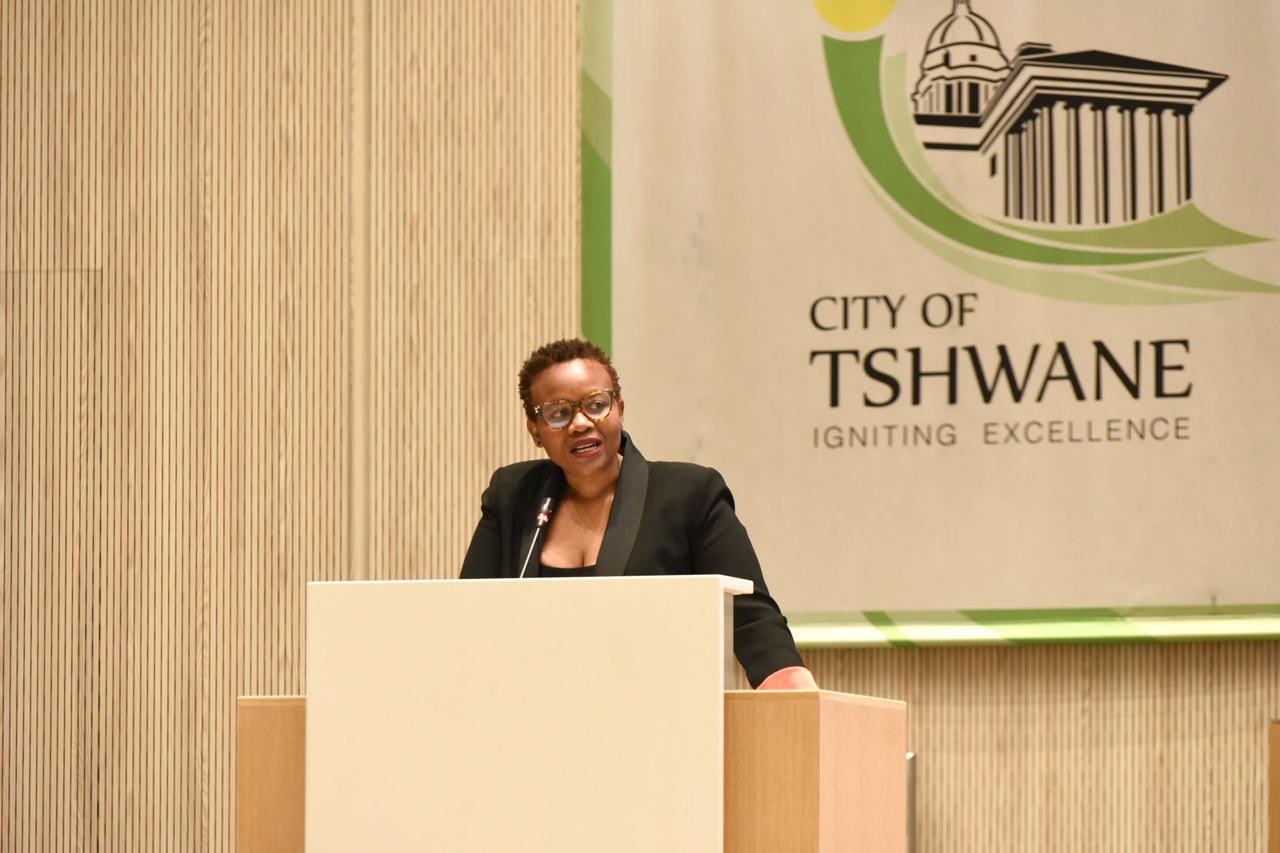
A meeting scheduled to address the ongoing water challenges in Hammanskraal, North of Pretoria descended into chaos after City of Tshwane mayor Nasiphi Moya failed pitch.
The earlier indication was that the mayor was running late, the meeting was scheduled for 17:00 at Makgoba Sebothoma Hall and the situation reached a breaking point when residents refused to be addressed by the MMC for Utilities, Frans Boshielo.
The meeting eventually collapsed, with residents booing Boshielo.
Residents said they wanted to hear directly from Moya, as they continue to struggle with daily water shortages.
Water tankers in Hammanskraal have been the subject of significant controversy and intervention, with reports of both City-run initiatives and, at times, attempts to clamp down on unauthorized, private trucks selling water.
In March, the Special Investigating Unit was authorised to investigate allegations of corruption and irregularities linked to water tanker services in the City of Tshwane following concerns of a water tanker mafia.
At the beginning of April, Moya launched what she described as a radical plan to stabilise the water supply in the city by adding 15 new municipal water tankers to its fleet, bringing the city’s total to 41 municipal tankers.
Moya said the aim was to have 100 municipal tankers rather than outsourcing.
Senior ANC figures, including deputy mayor Eugene Modise and regional treasurer James Shelenge, have been linked to water tankers corruption.
The collapse of the meeting further underscores the scale and urgency of the water crisis in Hammanskraal.
Many residents of Hammanskraal have gone more than ten years without reliable access to clean water. The cholera outbreak in 2023, which left more than 30 people dead, underscored the urgent need for a lasting solution.
Three years ago, the South African Human Rights Commission (SAHRC) released a damning report revealing that the pollution of water resources in Hammanskraal was as a result of failure by the city to maintain wastewater treatment works in the area. It found the city had failed to fulfil its constitutional objectives.
The commission said the metro had failed to manage the situation over a prolonged period that had resulted in a regression in the quality of water provided to residents.
At the time, the commission said the lack of clean water in Hammanskraal was a violation of human rights.
As result it recommended that the cabinet should “seriously consider taking a decision for national government to intervene in the running of the city of Tshwane metropolitan municipality”.
It also found that the failure to repair and replace the municipality’s sewage systems was a failure of many people over many years to properly run the municipality.
The commission recommended that municipal managers who were in place during the deterioration of the wastewater treatment works in the city of Tshwane and who “allowed” pollution to continue should be held accountable.
In response, the government committed R750 million to installing a portable water-treatment plant, aiming to restore clean water access by July 2025. While the first phase of the project has been completed, as of February 2025, full implementation is still underway. Although some areas are now receiving clean water, the full rollout is still ongoing, and not all communities have access yet.