
By Kevin Rademyer, Sports Journalist.
Photo: Clive Brunskill/Getty Images
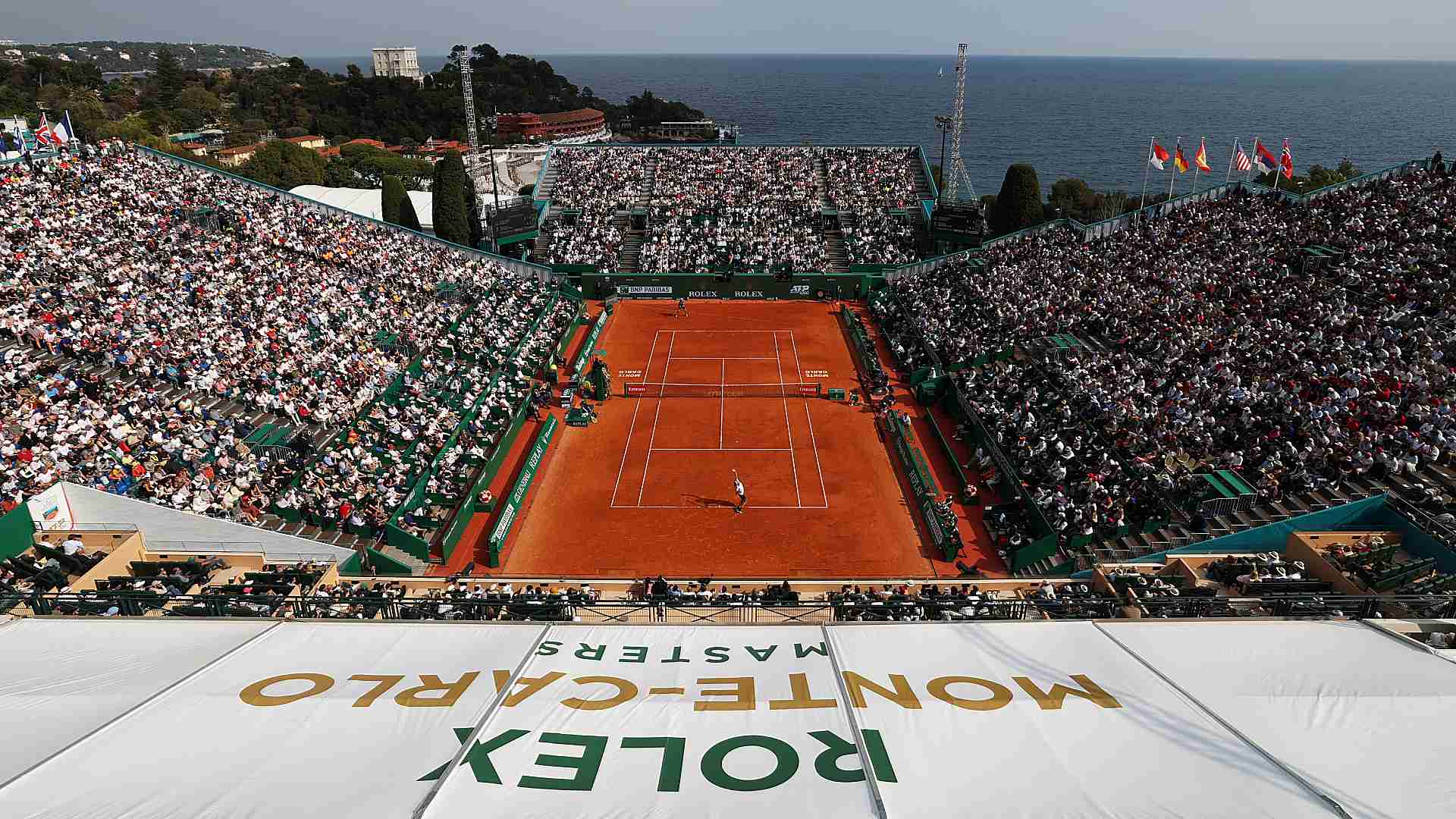
Jannik Sinner’s 7 to 6, 6 to 3 win was not only about brilliance in bursts. It was about control in layers. Alcaraz came out with intent. Up 2 to 0 early, dictating with the forehand, exploiting Sinner’s low first serve percentage. That is the window most players see. The difference is what happens next. Sinner closes that window faster than anyone in the sport.
Immediate break back. No panic. Just recalibration. From there, the first set becomes a pressure exchange. Sinner begins targeting second serves, leaning into return position, extending rallies by two, three extra shots. This is where the match tilts. Not visibly. Structurally.
Alcaraz faces break points in the fifth and ninth games. He survives, but the cost is cumulative. By the time the tie break arrives, Sinner owns the baseline geometry. He is serving with clarity, finding rhythm late but decisively.
At 5 to 2 in the breaker, Sinner shows the only flicker of hesitation. A missed forehand on set point. Then the pattern reasserts itself. Alcaraz double faults. Set gone. Not stolen. Engineered.
Second set, same script with a twist. Alcaraz breaks early. Again, first strike tennis. Again, the illusion of control. But watch the sixth game. Sinner earns break chances not through winners, but through depth and direction. Third attempt, he converts. Two games later, he repeats it. Now 5 to 3. Match effectively over before the handshake.
This is what separates Sinner right now. He does not need to outplay you for long stretches. He needs specific moments. And he is building a repeatable system to win those moments.
Seventeen consecutive wins. Three Masters titles to start the season. Four in a row dating back to last year. A return to world number one. These are not streaks. These are signals.
Alcaraz remains the most explosive player in the sport. His ability to create chaos is unmatched. But chaos has a weakness. It requires constant execution. Sinner’s model is different. It reduces variables. It simplifies decision making under pressure. So the question becomes sharper. Can anyone else disrupt this?
Jack Draper offers a unique left handed equation. The wide serve in the ad court pulls Sinner off the court and breaks his preferred backhand patterns. Against Alcaraz, the height and pace can absorb and redirect. The issue is not peak level. It is physical continuity. Five sets still ask questions his body has not consistently answered.
Holger Rune is tactically complete. He can take time away from Sinner and match Alcaraz’s variety. On his best days, he plays first strike tennis with discipline. But volatility remains. The top two are not just playing well. They are playing reliably. Rune is not there yet.
Ben Shelton changes the conversation entirely. Serve plus one tennis at extreme pace. He can shorten matches, especially on faster surfaces. But against Sinner, extended rallies expose patience gaps. Against Alcaraz, return deficiencies create scoreboard pressure.
And then there is Novak Djokovic. Not week to week. Not anymore. But in a single match, still the most complex problem in tennis. His win over Sinner in Melbourne earlier this season was not physical dominance. It was pattern disruption. Change of height. Change of spin. Change of rhythm. Sixteen break points saved not by chance, but by design.
The limitation is recovery. Beating one of the two is achievable. Beating both, across five sets, across two matches, remains the ultimate physical equation. Right now, the tour is not wide open. It is compressed at the top.
Sinner is building a system that travels across surfaces, now validated on clay in Monaco. Alcaraz continues to push the boundaries of attacking tennis but is being forced into tighter margins. The challengers each bring a weapon. But Sinner and Alcaraz bring frameworks. And in modern tennis, frameworks win more often than weapons. The real question is not who can beat them once. It is who can solve them twice in the same week.