
By Terri-Ann Brouwers.
President Cyril Ramaphosa has hailed the opening of South Africa’s first Club Med resort, pointing to the more than R2 billion KwaZulu-Natal development as an example of how large-scale tourism investment can create jobs and opportunities for local businesses.
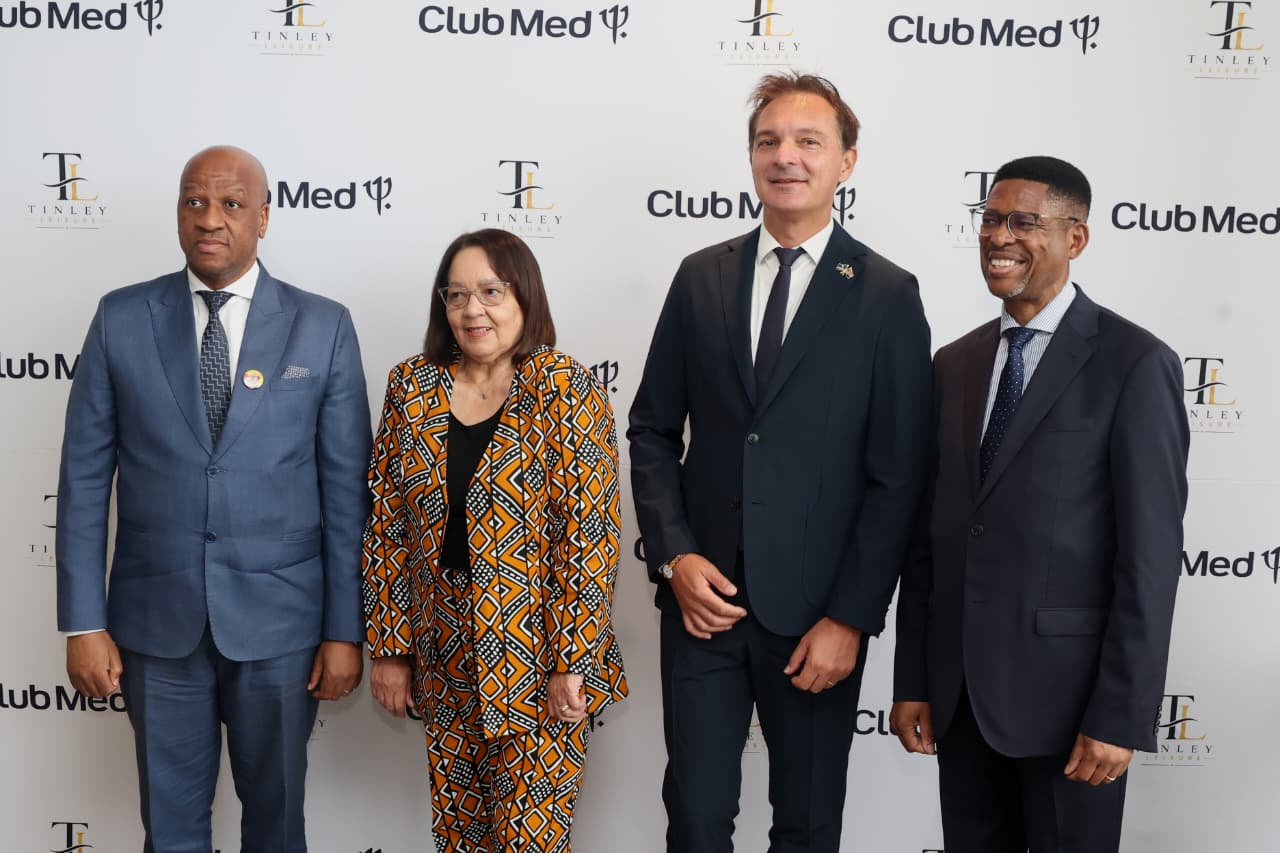
The Club Med Beach & Safari Resort was officially opened on 17 September, with Minister of Tourism Patricia de Lille delivering an address on behalf of Ramaphosa, who was unable to attend the opening.
The president said the development represents the largest hospitality investment in South Africa and the broader Southern African Development Community since Sun City opened in the 1970s.
“This mega-development is a vote of confidence in South African enterprise, in the capabilities of our people and in the future of our tourism industry,” Ramaphosa said.
The development is South African-funded and backed by an investment consortium committed to advancing broad-based black economic empowerment.
Economic boost
Its economic impact extends beyond the construction of the resort.
More than 2 300 direct and indirect jobs were created during construction, while the completed development has created 600 permanent direct positions and supports another 1 500 indirect jobs through local suppliers and related industries.
The beach resort’s workforce is 84% South African, while all employees at the Vikela Safari Lodge are from surrounding communities, according to the president’s address.
For Ramaphosa, the significance of the investment lies partly in the economic activity that can develop around the resort.
The operation will require fresh produce, maintenance, transport and other services, creating potential opportunities for small, micro and medium enterprises.
The president highlighted local procurement and partnerships with smaller tourism operators as ways of spreading the benefits of the development beyond the resort itself.
“That is how tourism investment can contribute to the prosperity of a nation,” he said.
Demand
The opening comes as South Africa records growth in international tourist arrivals.
According to Ramaphosa, 6.5 million international tourists arrived in South Africa between January and July 2026, representing a 12.4% increase compared with the same period a year earlier.
He said the resort’s opening comes as the industry is preparing for the festive season, expressing confidence that it attract more visitors to the country.
The resort combines a beachfront offering on the KwaZulu-Natal coast with the safari experience at Vikela Safari Lodge, providing visitors with access to both coastal and wildlife attractions in the province.
Ramaphosa said this combination gives travellers another reason to visit South Africa, stay longer and explore destinations beyond the resort.
The president also pointed to the role of the project in developing skills and experience among South African workers.
Catalyst
Construction workers, artisans and contractors involved in the development gained experience on a project of scale, which could benefit them in future projects.
The resort’s ongoing operations could similarly create opportunities for businesses supplying it with goods and services.
The president said government, business and communities each have a role to play in ensuring that investments translate into broader economic opportunities.
“Business has a responsibility to invest for the long term, develop its workforce and build meaningful relationships with the communities around it.”
He added that government has a responsibility to provide conditions that enable investment, including reliable infrastructure, responsive public services, efficient administration and safe communities.
“When these responsibilities come together, public and private partnership becomes something people can see in their daily lives,” Ramaphosa said.
He also stressed the need for the tourism industry to protect the natural assets on which it depends, saying responsible use of water and energy, reduced waste, and care for the surrounding environment should remain part of everyday tourism operations.
For South Africa’s tourism economy, the Club Med development therefore represents more than a new hospitality destination.
Its opening brings a large capital project into operation at a time of rising international arrivals, while its employment and procurement footprint extends into surrounding communities and businesses.