
By Lehlohonolo Lehana.
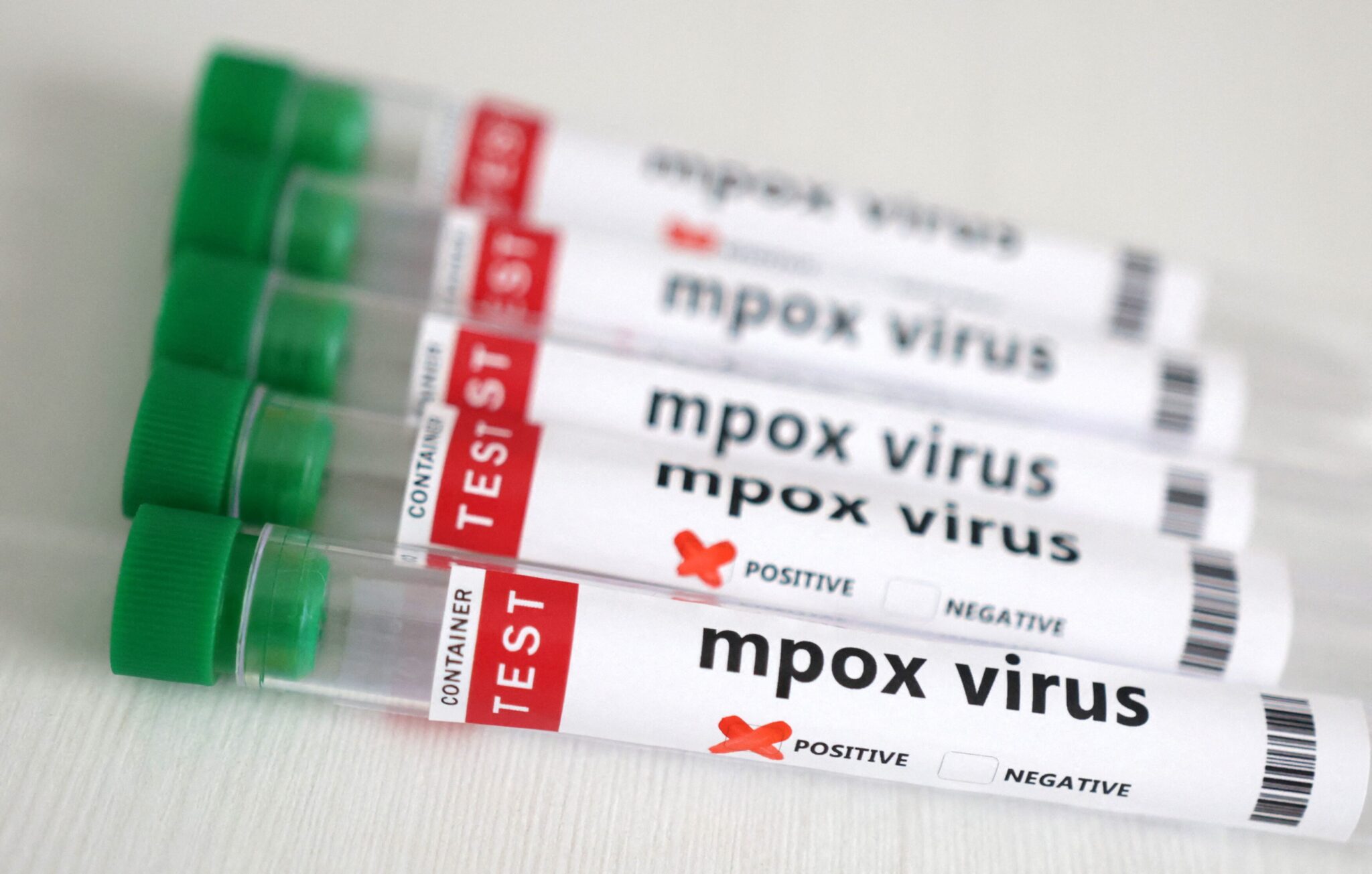
The Department of Health (DoH) has called for vigilance of Mpox symptoms following a rapid increase in laboratory-confirmed Mpox cases in South Africa.
Departmental spokesperson Foster Mohale said, as of September 17, 2026, the country has recorded 18 confirmed and one probable case, and this requires immediate and sustained public cooperation to contain.
Mohale said all cases/patients range in age from 23 to 50 years, with a median age of 36.5 years, and 18 of them are males, with only one female.
He said, one of the most recent cases involved an individual who travelled to Spain earlier this month and returned to South Africa on 14 September.
“This person underwent testing in Spain after being informed of his probable case status. South African health authorities are in are contact with the Spanish counterparts regarding the individual’s laboratory test results to confirm his mpox status.”
Mohale added people who test positive can also transmit the virus through respiratory droplets during prolonged face-to-face contact, uncovered coughing or sneezing.
“Vigilance remains essential, particularly in households, healthcare settings and among close social networks. Hand hygiene through frequent washing or use of sanitisers is one of the effective methods to prevent the spread of the virus.”
The Western Cape has recorded the highest number of confirmed cases, with 15, followed by Gauteng with three and KwaZulu-Natal has reported one case.
The department is encouraging anyone experiencing symptoms such as a rash, fever, swollen lymph nodes, or body aches to seek medical attention as soon as possible and avoid close contact with others until assessed by a healthcare professional.
Symptoms typically develop between five and 21 days after exposure and may include fever, muscle aches, back pain, swollen lymph nodes, fatigue, as well as a distinctive rash or skin lesions.
Mpox is mainly spread through close physical contact with an infected person, including direct skin-to-skin contact with rashes or lesions. It can also spread through contaminated materials such as bedding, clothing, or towels.